 Call
Call Patient Reports
- Cardiology 84
- Dermatology 45
- Endocrinology 33
- ENT 16
- Fertility 190
- Gastroenterology 78
- General-Medicine 81
- Gynecology 80
- Hematology 19
- Infectious-Diseases 33
- Neurology 52
- Oncology 34
- Ophthalmology 23
- Orthopedics 69
- Pediatrics 31
- Procedure 23
- Public-Health 144
- Pulmonology 59
- Radiology 8
- Urology 68
- Wellness 161
- Woman-and-child 77
- 3759
- 3.5 Minute
Understanding Postherpetic Neuralgia: Causes and Treatments
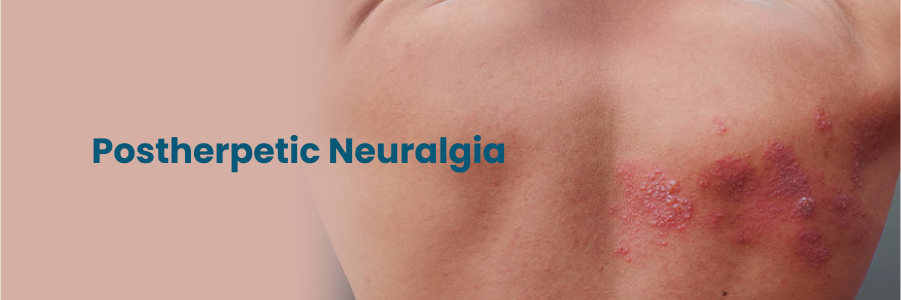
Postherpetic neuralgia (PHN) is a debilitating condition that can significantly impair the quality of life for those affected. It is a chronic pain syndrome that persists after the resolution of a herpes zoster (shingles) infection. This article delves into the causes, diagnosis, symptoms, risk factors, and various treatment options available for managing this condition.
Causes of Postherpetic Neuralgia
The Herpes Zoster Connection
Postherpetic neuralgia arises primarily as a complication of herpes zoster, which is caused by the reactivation of the varicella-zoster virus—the same virus responsible for chickenpox. After a person recovers from chickenpox, the virus remains dormant in the dorsal root ganglia of the nervous system. Years or even decades later, the virus can reactivate, leading to shingles. PHN occurs if the nerve damage caused by the shingles rash does not heal properly.
Nerve Damage and Inflammation
The primary cause of PHN is nerve damage and inflammation associated with the herpes zoster virus. The inflammation damages the nerve fibers, leading to erratic and exaggerated pain signals being sent to the brain, even after the skin rash has healed.
Get a second opinion from trusted experts and makeconfident, informed decisions.
Get Second OpinionNot sure where to start?
Talk to a patient care advisor — free, confidential, 24/7. We'll match you to the right specialist and book your appointment in minutes.
Symptoms of Postherpetic Neuralgia
PHN is characterized by a range of symptoms, predominantly centered around pain. These include:
- Persistent Pain: A continuous burning or aching pain in the area affected by the shingles rash.
- Allodynia: Pain triggered by stimuli that are not usually painful, such as light touch or temperature changes.
- Hyperalgesia: An increased sensitivity to painful stimuli.
- Itching and Numbness: Some patients experience sensations of itching or numbness in the affected area.
Risk Factors for Developing Postherpetic Neuralgia
Several factors can increase the likelihood of developing PHN after a shingles outbreak. These include:
- Age: Individuals over the age of 50 are more susceptible.
- Severity of Initial Shingles: A more severe shingles rash and intense initial pain increase the risk.
- Delay in Antiviral Treatment: Delayed administration of antiviral medications can heighten the risk of nerve damage.
- Immunocompromised State: Conditions that weaken the immune system, such as HIV/AIDS or cancer, can increase susceptibility.
Diagnosis of Postherpetic Neuralgia
Diagnosis of PHN is primarily clinical and based on patient history and symptoms. Healthcare providers consider the following:
- History of Shingles: A documented episode of shingles is a key indicator.
- Persistent Pain: Pain persisting for more than three months after the shingles rash has healed is a hallmark of PHN.
- Physical Examination: A detailed physical examination to assess the area affected by shingles and the type of pain experienced.
Treatment Options for Postherpetic Neuralgia
Medications
Several medications are utilized to manage the pain and symptoms of PHN:
- Antiviral Medications: Early administration of antiviral drugs, such as acyclovir, valacyclovir, and famciclovir, during the shingles outbreak can reduce the severity and duration of the rash and potentially prevent PHN.
- Pain Relievers: Over-the-counter pain relievers, such as acetaminophen or ibuprofen, may provide some relief. Prescription pain medications, including opioids, may be necessary for severe pain.
- Antidepressants: Tricyclic antidepressants (TCAs) like amitriptyline and nortriptyline are often prescribed for their pain-relieving properties.
- Anticonvulsants: Medications like gabapentin and pregabalin are effective in alleviating nerve pain.
- Topical Treatments: Lidocaine patches and capsaicin cream can be applied directly to the painful area to provide localized relief.
Pain Management Strategies for Postherpetic Neuralgia
- Physical Therapy: Engaging in physical therapy can help maintain mobility and reduce pain.
- TENS (Transcutaneous Electrical Nerve Stimulation): This technique uses low-voltage electrical current to provide pain relief.
- Nerve Blocks: Injections of local anesthetics or steroids near the affected nerves can provide temporary relief.
- Cognitive-Behavioral Therapy (CBT): This psychological approach helps patients manage chronic pain by altering their perception and response to pain.
Role of Antiviral Medications in Preventing Postherpetic Neuralgia
Early treatment with antiviral medications during a shingles outbreak is crucial. These drugs can:
- Reduce the severity and duration of the shingles rash.
- Lower the risk of developing PHN by minimizing nerve damage.
- Enhance the effectiveness of other pain management strategies if PHN develops.
Your health is everything - prioritize your well-being today.
Schedule Your AppointmentLong-Term Effects of Postherpetic Neuralgia
PHN can have a profound impact on an individual's quality of life. The chronic pain can lead to:
- Sleep Disturbances: Persistent pain often disrupts sleep, leading to fatigue and decreased overall well-being.
- Emotional Distress: Chronic pain is associated with higher rates of depression and anxiety.
- Reduced Mobility: Pain may limit physical activity, leading to a decline in physical health.
- Social Isolation: The ongoing pain and discomfort can result in withdrawal from social activities and interactions.
Conclusion
Postherpetic neuralgia is a challenging condition that requires a multifaceted approach to management. Early intervention with antiviral medications, a variety of pain management strategies, and ongoing support can help mitigate the effects of this condition. Understanding the causes, symptoms, and risk factors associated with PHN is crucial for effective diagnosis and treatment. By employing a comprehensive treatment plan, patients can achieve better pain control and an improved quality of life.
Frequently Asked Questions
Postherpetic neuralgia occurs as a complication of shingles, caused by reactivation of the varicella-zoster virus in the nervous system.
Symptoms include persistent nerve pain, sensitivity to touch, burning sensations, and itching in areas previously affected by shingles.
Diagnosis involves reviewing medical history and the pattern of nerve pain, often following a shingles infection.
Pain medications, antiviral drugs, and therapies such as nerve blocks and antidepressants can manage symptoms of postherpetic neuralgia.
Early antiviral treatment during a shingles outbreak can reduce the risk of postherpetic neuralgia. Vaccination also helps in prevention.
- Cardiology
- Case Studies
- Dermatology
- Endocrinology
- ENT
- Fertility
- Gastroenterology
- General
- General-Medicine
- Gynecology
- Hematology
- Infectious-Diseases
- Medical News
- Neurology
- Oncology
- Ophthalmology
- Orthopedics
- Pediatrics
- Procedure
- Public-Health
- Pulmonology
- Radiology
- Second Opinion
- Urology
- Wellness
- Woman-and-child
Related Blogs
Still have questions? Speak with our experts now!
040-68334455


