 Call
Call Patient Reports
- Cardiology 84
- Dermatology 45
- Endocrinology 33
- ENT 16
- Fertility 190
- Gastroenterology 78
- General-Medicine 81
- Gynecology 80
- Hematology 19
- Infectious-Diseases 33
- Neurology 52
- Oncology 34
- Ophthalmology 23
- Orthopedics 69
- Pediatrics 31
- Procedure 23
- Public-Health 144
- Pulmonology 59
- Radiology 8
- Urology 68
- Wellness 161
- Woman-and-child 77
- 3759
- 3.5 Minute
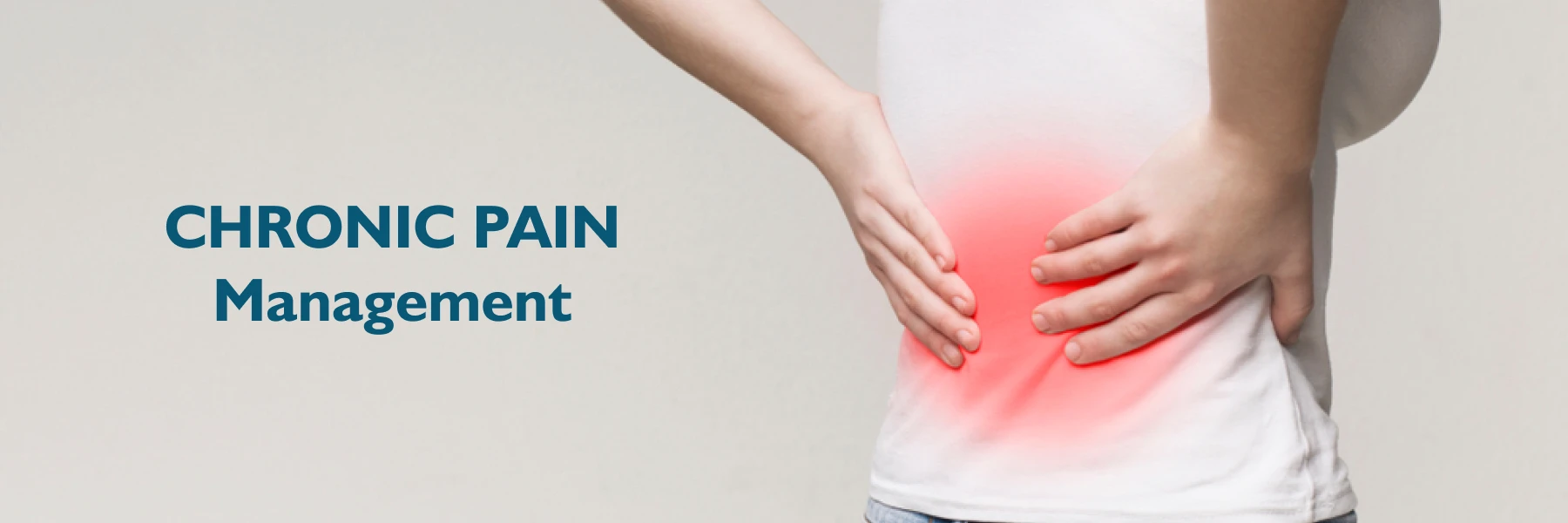
Chronic Pain Management: Physiotherapy Techniques
Chronic pain can be debilitating, affecting many aspects of your life. For those living in Navi Mumbai, Medicover Hospitals offers specialized physiotherapy treatments designed to manage and alleviate chronic pain. This article will explore various physiotherapy techniques for managing chronic pain and how Medicover Hospitals can help you find relief.
What is Chronic Pain?
Chronic pain lasts more than three months despite treatment. Various conditions, including arthritis, fibromyalgia, and nerve damage, can cause it. Unlike acute pain, which indicates an injury or illness, chronic pain is often more complex and more challenging to treat.
Symptoms of Chronic Pain
Chronic pain can manifest in different ways, such as:
- Persistent aching
- Throbbing or shooting pain
- Stiffness and discomfort
- Fatigue and sleep disturbances
- Mood swings and irritability
Understanding these symptoms is critical to effective treatment.
Why Physiotherapy?
Physiotherapy is a comprehensive method of managing chronic pain. It includes a variety of approaches and exercises aimed at improving mobility, strengthening muscles, and reducing pain. At Medicover Hospitals, our experienced physiotherapists create personalized treatment plans tailored to each patient's needs.
Get a second opinion from trusted experts and makeconfident, informed decisions.
Get Second OpinionNot sure where to start?
Talk to a patient care advisor — free, confidential, 24/7. We'll match you to the right specialist and book your appointment in minutes.
Benefits of Physiotherapy
Physiotherapy offers several benefits, including:
- Improved mobility and flexibility
- Reduced pain and discomfort
- Enhanced strength and endurance
- Better posture and alignment
- Improved mental health and well-being
Techniques for Managing Chronic Pain
Medicover Hospitals employs a range of physiotherapy techniques to manage chronic pain effectively. Here are some of the most common methods:
Manual Therapy
Manual therapy uses hands-on techniques to modify muscles, joints, and tissues. This can help reduce pain, improve mobility, and enhance overall function. Techniques include:
- Massage Therapy: This can help reduce discomfort and promote movement.
- Joint Mobilization: Involves gentle movements to improve joint function.
- Soft Tissue Manipulation: Targets muscles and connective tissues to relieve tension.
Exercise Therapy
Exercise therapy is a vital part of physiotherapy for chronic pain. It includes tailored exercises to strengthen muscles, improve flexibility, and enhance endurance. Common exercises include:
- Stretching: Helps improve flexibility and reduce stiffness.
- Strength Training: Builds muscle strength and supports joints.
- Aerobic Exercises: Enhances cardiovascular health and overall fitness.
Heat and Cold Therapy
Heat and cold therapy might offer instant relief from chronic pain. Heat therapy relaxes muscles and promotes blood circulation, whereas cold therapy lowers inflammation and numbs pain. Techniques include:
- Hot Packs: Applied to the affected area to reduce muscle tension.
- Cold Packs: Used to numb the area and reduce swelling.
- Contrast Therapy: Alternating hot and cold packs for maximum benefit.
Electrotherapy
Electrotherapy involves using electrical currents to stimulate muscles and nerves. This can help to reduce discomfort and promote recovery. Standard electrotherapy techniques include:
- TENS (Transcutaneous Electrical Nerve Stimulation): Uses low-voltage electricity currents to relieve pain.
- Ultrasound Therapy: Utilizes sound waves to stimulate tissue repair and minimize inflammation.
- Interferential Therapy: Uses high-frequency electrical currents to relieve pain and reduce swelling.
Acupuncture and Dry Needling
Acupuncture and dry needling involve inserting thin needles into specific points on the body. This can help alleviate pain, decrease inflammation, and improve overall function. Acupuncture is based on traditional Chinese medicine, whereas dry needling is founded on Western medical concepts.
Your health is everything - prioritize your well-being today.
Schedule Your AppointmentHydrotherapy
Hydrotherapy involves using water to treat chronic pain. Water's buoyancy helps reduce stress on joints and muscles, making exercises more accessible and less painful. Techniques include:
- Aquatic Exercises: Performed in a pool to improve strength and flexibility.
- Warm Water Therapy: Uses warm water to relax muscles and reduce pain.
Posture and Ergonomic Training
Poor posture and ergonomics can contribute to chronic pain. Physiotherapists at Medicover Hospitals can help you improve your posture and make ergonomic adjustments to your daily activities. This can reduce strain on your muscles and joints, helping manage chronic pain more effectively.
Personalized Treatment Plans at Medicover Hospitals
At Medicover Hospitals in Navi Mumbai, we understand that every patient is unique. Our physiotherapists work closely with you to create an individual treatment strategy based on your particular requirements and goals. This includes:
- Comprehensive assessment and diagnosis
- Customized exercise programs
- Ongoing monitoring and adjustments
- Education and support for self-management
Conclusion
Chronic pain can be unpleasant. However, with the correct treatment, you can find relief. At Medicover Hospitals in Navi Mumbai, our trained physiotherapists use a range of procedures to aid you in managing and alleviating chronic pain. From manual therapy to hydrotherapy, we provide personalized treatment strategies tailored to your specific needs.
If you're struggling with chronic pain, don't wait. Contact Medicover Hospitals today to schedule a Consultation and start your road toward pain-free living.
Frequently Asked Questions
Physiotherapy involves non-invasive techniques such as exercises, manual therapy, and education to improve mobility, strength, and function, reducing chronic pain without the need of medication.
Physiotherapy is beneficial for conditions such as lower back pain, arthritis, fibromyalgia, repetitive strain injuries, post-surgical pain, and musculoskeletal disorders causing persistent pain.
Techniques include therapeutic exercises, stretching, manual therapy (like massage and joint mobilization), electrotherapy (such as TENS), heat and cold therapies, ultrasound, and ergonomic advice to improve posture and movement.
Physiotherapists design personalized exercise programs focusing on strengthening muscles, improving flexibility, and correcting posture, which alleviate pain, enhance mobility, and prevent future injuries.
The outcome varies according to the individual's health and treatment adherence. Some people feel better after a few sessions, while others may need continued treatment to accomplish long-term pain management goals.
Disclaimer: The information provided is accurate and up-to-date to the best of our knowledge. However, it should not be considered a substitute for medical advice or consultation. We do not guarantee its completeness or accuracy. The absence of specific warnings does not mean a medicine is safe for all users. We are not responsible for any outcomes based on this information and strongly recommend consulting a doctor for any medical concerns or questions.
- Cardiology
- Case Studies
- Dermatology
- Endocrinology
- ENT
- Fertility
- Gastroenterology
- General
- General-Medicine
- Gynecology
- Hematology
- Infectious-Diseases
- Medical News
- Neurology
- Oncology
- Ophthalmology
- Orthopedics
- Pediatrics
- Procedure
- Public-Health
- Pulmonology
- Radiology
- Second Opinion
- Urology
- Wellness
- Woman-and-child
Related Blogs
Still have questions? Speak with our experts now!
040-68334455


