 Call
Call Patient Reports
- Cardiology 84
- Dermatology 45
- Endocrinology 33
- ENT 16
- Fertility 190
- Gastroenterology 78
- General-Medicine 81
- Gynecology 80
- Hematology 19
- Infectious-Diseases 33
- Neurology 52
- Oncology 34
- Ophthalmology 23
- Orthopedics 69
- Pediatrics 31
- Procedure 23
- Public-Health 144
- Pulmonology 59
- Radiology 8
- Urology 68
- Wellness 161
- Woman-and-child 77
- 3759
- 3.5 Minute
Pelvic Health: Key Tips for a Strong and Healthy Pelvic Floor
Understanding pelvic health is essential for overall well-being, particularly for women. The intricate network of muscles, ligaments, and tissues that comprise the pelvic floor plays a crucial role in supporting the bladder, uterus, and rectum.
Unfortunately, many women suffer from issues related to weak pelvic floor muscles, which can lead to a variety of complications, including urinary incontinence, pelvic pain, and diminished quality of life.
This article aims to provide a comprehensive understanding of pelvic health, focusing on critical insights and actionable strategies for maintaining a strong and healthy pelvic floor.
Get a second opinion from trusted experts and makeconfident, informed decisions.
Get Second OpinionNot sure where to start?
Talk to a patient care advisor — free, confidential, 24/7. We'll match you to the right specialist and book your appointment in minutes.
The Anatomy and Function of the Pelvic Floor
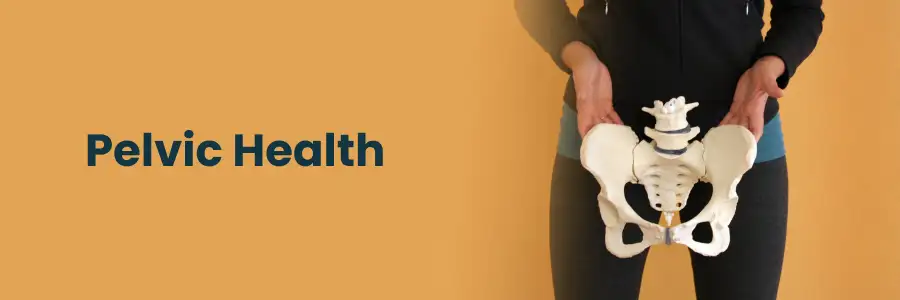
The pelvic floor consists of a group of muscles and ligaments that form a hammock-like structure at the base of the pelvis. These muscles include the pubococcygeus, iliococcygeus, and puborectalis, collectively known as the levator ani muscles, along with the coccygeus muscle. This complex system supports the pelvic organs, assists in urinary and faecal continence, and plays a role in sexual function.
Vaginal Muscles and Their Importance
The vaginal muscles are part of the pelvic floor and are crucial for sexual health, childbirth, and urinary control. Strong vaginal muscles contribute to enhanced sexual pleasure and can improve the efficiency of pelvic floor contractions.
Weak Pelvic Floor Muscles: Causes and Symptoms
Weak pelvic floor muscles can result from several factors, including childbirth, ageing, obesity, and chronic straining. Symptoms of weak pelvic floor muscles may include urinary incontinence, pelvic organ prolapse, and lower back pain.
The Impact of Weak Pelvic Floor Muscles
Pelvic organ prolapse occurs when the pelvic organs drop from their normal position due to weak pelvic muscles. This condition can lead to discomfort, urinary issues, and a noticeable bulge in the vaginal area. Understanding the impact of weak pelvic floor muscles underscores the importance of maintaining pelvic health.
Strategies for Strengthening the Pelvic Floor
Addressing weak pelvic floor muscles involves a multifaceted approach that includes lifestyle changes, physical exercises, and professional interventions.
Pelvic Floor Exercises: The Foundation of Pelvic Health
Pelvic floor exercises, commonly known as Kegel exercises, are designed to strengthen the pelvic muscles. These exercises involve repeated contractions and relaxations of the pelvic floor muscles and can be performed discreetly throughout the day.
- Identify the Right Muscles: The first step is to locate the pelvic floor muscles. This can be done by stopping the flow of urine midstream.
- Perform Regular Contractions: Contract the pelvic floor muscles for five seconds, then relax for five seconds. Repeat this process 10-15 times, three times a day.
- Incorporate Variations: Include longer holds and quicker contractions to engage different muscle fibres.
Lifestyle Modifications for Pelvic Health
In addition to exercises, specific lifestyle changes can promote pelvic health:
- Maintain a Healthy Weight: Excess weight can strain the pelvic floor muscles.
- Avoid Heavy Lifting: Lifting heavy objects can exacerbate weak pelvic muscles.
- Manage Chronic Coughing: Persistent coughing can weaken the pelvic floor over time.
Professional Interventions: Pelvic Floor Therapy
For those experiencing significant pelvic floor dysfunction, professional therapy may be necessary. Pelvic floor therapy involves working with a specialized therapist who can provide personalized exercises, manual therapy, and biofeedback techniques.
- Manual Therapy: Hands-on techniques to release tension and improve muscle function.
- Biofeedback: A method that uses sensors to provide real-time feedback on muscle activity, helping patients learn how to control their pelvic floor muscles effectively.
- Education and Counseling: Guidance on lifestyle modifications and strategies to prevent further weakening of the pelvic floor.
Understanding Pelvic Pain and Its Management
Pelvic pain can be a symptom of various conditions, including endometriosis, interstitial cystitis, and pelvic inflammatory disease. Effective management of pelvic pain requires a comprehensive approach that addresses the underlying cause and provides symptomatic relief.
- Medical Evaluation: A thorough assessment by a healthcare provider to diagnose the cause of pelvic pain.
- Pain Management Strategies: Medications, physical therapy, and relaxation techniques to alleviate pain.
- Holistic Approaches: Incorporating yoga, acupuncture, and mindfulness practices to support overall pelvic health.
Preventing Weak Pelvic Floor Muscles
Prevention is critical to maintaining pelvic health. By adopting proactive measures, women can reduce their risk of developing weak pelvic floor muscles and associated complications.
Regular Pelvic Floor Exercises
Consistent practice of pelvic floor exercises can prevent muscle weakening and enhance overall pelvic function.
Healthy Lifestyle Choices
Maintaining a balanced diet, staying hydrated, and avoiding smoking can support pelvic health.
Educating Young Women
Raising awareness about pelvic health from a young age can empower women to take proactive steps in maintaining their pelvic floor strength throughout their lives.
Your health is everything - prioritize your well-being today.
Schedule Your AppointmentConclusion
Understanding pelvic health is essential for overall well-being and quality of life. By recognizing the significance of the pelvic floor, addressing weak pelvic muscles, and implementing effective strategies for strengthening and maintaining pelvic health, women can achieve optimal pelvic function and prevent related complications. Whether through regular exercises, lifestyle modifications, or professional therapy, taking action today can lead to a healthier and more comfortable tomorrow.
Frequently Asked Questions
Pelvic health refers to the proper functioning of the organs and structures within the pelvic region, including the bladder, uterus, ovaries, and rectum.
Common issues include urinary incontinence, pelvic pain, pelvic organ prolapse, and menstrual disorders.
Maintaining good pelvic health involves regular exercise, a balanced diet, proper hydration, and avoiding excessive strain or injury.
Pelvic floor exercises, such as Kegels, and core-strengthening exercises can help improve pelvic health by strengthening the muscles that support pelvic organs.
You should see a doctor if you experience persistent pelvic pain, urinary or bowel problems, or noticeable changes in pelvic function or anatomy.
- Cardiology
- Case Studies
- Dermatology
- Endocrinology
- ENT
- Fertility
- Gastroenterology
- General
- General-Medicine
- Gynecology
- Hematology
- Infectious-Diseases
- Medical News
- Neurology
- Oncology
- Ophthalmology
- Orthopedics
- Pediatrics
- Procedure
- Public-Health
- Pulmonology
- Radiology
- Second Opinion
- Urology
- Wellness
- Woman-and-child
Related Blogs
Still have questions? Speak with our experts now!
040-68334455


