 Call
Call Patient Reports
- Cardiology 84
- Dermatology 45
- Endocrinology 33
- ENT 16
- Fertility 190
- Gastroenterology 78
- General-Medicine 81
- Gynecology 80
- Hematology 19
- Infectious-Diseases 33
- Neurology 52
- Oncology 34
- Ophthalmology 23
- Orthopedics 69
- Pediatrics 31
- Procedure 23
- Public-Health 144
- Pulmonology 59
- Radiology 8
- Urology 68
- Wellness 161
- Woman-and-child 77
- 3958
- 3.6 Minute
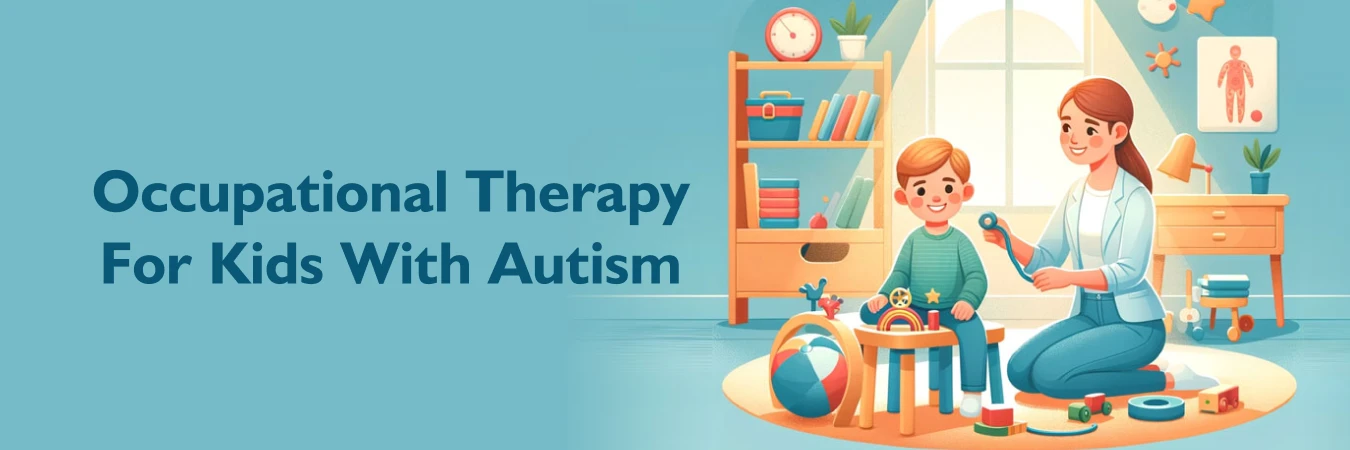
Occupational Therapy For Kids With Autism
Autism can make some things harder for kids, like talking, playing, and doing daily tasks. But there's a special kind of helper called an occupational therapist (OT) who knows how to make things better.
In this blog, we'll learn about what occupational therapists do for kids with autism and how they help them do things they might find tricky.
Occupational therapists (OTs) are skilled professionals who play a vital role in supporting children with autism.
These experts bring specialized knowledge and techniques to help kids with autism develop important skills that empower them to navigate daily life more confidently and independently.
What is Occupational Therapy for Autism?
- Occupational therapists are like superheroes who help kids with autism get better at everyday stuff.
- They assist with skills such as managing unfamiliar situations, using their hands and bodies effectively, self-care routines, and interacting socially through play and communication.
Occupational therapy activities for autism are designed to support these developmental needs.
Making Senses Stronger
- Kids with autism might feel things differently because their senses are extra sensitive.
- Occupational therapists help them get used to different feelings, like sounds, textures, and lights, so they feel better and are not overwhelmed.
Getting Stronger at Moving
- Some kids might find it hard to do things like write, tie shoelaces, or even run and jump.
- Occupational therapists help them practice these things so they get better at moving around and doing stuff by themselves.
Learning to Do Things on Their Own
- Occupational therapists teach kids how to do things like get dressed, brush their teeth, and eat by themselves.
- These skills help kids become more independent and feel proud of what they can do.
Talking and Playing with Others
- Sometimes, kids with autism find it tricky to talk to others or play together.
- Occupational therapists use fun activities and games to help them learn how to talk, make friends, and understand what others are saying.
Learning New Ways to Behave
- Kids need to learn how to behave well, like managing their feelings, following rules, and handling changes.
- Occupational therapists help kids learn good behaviours and ways to calm down when they feel worried.
Special Help for Every Kid
- Each kid with autism is special, so occupational therapists make a plan just for them.
- They work with families and teachers to help kids learn and do their best every day.
How Does Occupational Therapy Help Autism?
Occupational therapists are like heroes for kids with autism. They help kids learn important skills, feel more confident, and do things they might find hard. With their help, kids can grow, learn, and become even stronger.
Occupational therapists have special skills to assist these kids in learning essential skills such as managing new feelings, moving better, doing tasks on their own, talking and playing with others, behaving well, and becoming more independent.
Conclusion
- OTs work closely with families and teachers to create personalized plans for each kid.
- This collaboration ensures that the kids receive the right support at every step of their journey.
- Through their expertise, OTs make a significant impact by teaching valuable skills, boosting confidence, and helping kids become stronger.
- If you're looking for the best occupational therapy doctor near you remember that their guidance can be a game-changer in your child's journey toward progress and success.
- Their expertise can shape a brighter future for kids with autism, helping them grow, learn, and overcome challenges with confidence.
Your health is everything - prioritize your well-being today.
Schedule Your AppointmentFrequently Asked Questions
Occupational therapy for autistic kids focuses on developing essential life skills. It helps improve sensory integration, motor skills, self-care routines, social interactions, and adaptive behaviors, enabling them to lead more independent and fulfilling lives.
Yes, occupational therapy has shown to be effective for autism. It helps children improve their functional abilities, manage sensory sensitivities, enhance social interactions, and develop necessary life skills.
Occupational activities for autism include sensory play, fine and gross motor skill exercises, self-care routines, social interaction games, and tasks that promote adaptive behaviors.
The best therapy for autism can vary based on individual needs. Speech therapy, behavior therapy, and occupational therapy are among the commonly recommended therapies for children with autism.
OT activities are exercises and tasks designed by occupational therapists to help individuals develop skills required for daily life. These activities can include tasks related to sensory integration, motor skills, self-care, social interactions, and more.
The three main categories of occupational activities are self-care activities (like dressing and eating), productive activities (like school or work tasks), and leisure activities (like playing and hobbies).
Speech therapy for autism focuses on improving communication skills. It helps children with autism learn to express themselves, understand language, and engage in conversations.
Behavior therapy for autism helps children develop positive behaviors and social skills while reducing challenging behaviors. It uses techniques to reinforce desired behaviors and teach new ones.
Three common treatments for autism include behavioral interventions, speech therapy, and occupational therapy. These therapies address various aspects of autism and can be tailored to each child's needs.
- Cardiology
- Case Studies
- Dermatology
- Endocrinology
- ENT
- Fertility
- Gastroenterology
- General
- General-Medicine
- Gynecology
- Hematology
- Infectious-Diseases
- Medical News
- Neurology
- Oncology
- Ophthalmology
- Orthopedics
- Pediatrics
- Procedure
- Public-Health
- Pulmonology
- Radiology
- Second Opinion
- Urology
- Wellness
- Woman-and-child
Related Blogs
Still have questions? Speak with our experts now!
040-68334455


