 Call
Call Patient Reports
| Blood Test | Typical Reference Range |
|---|---|
| Hemoglobin | 12 - 16 g/dL (women), 13 - 17 g/dL (men) |
| White Blood Cells (WBC) | 4,000 - 11,000 cells/µL |
| Platelets | 150,000 - 450,000/µL |
| Red Blood Cells (RBC) | ~4.1 - 5.9 million cells/µL |
Find Doctors
Categories
- Cardiology 84
- Dermatology 45
- Endocrinology 33
- ENT 16
- Fertility 190
- Gastroenterology 78
- General-Medicine 81
- Gynecology 80
- Hematology 19
- Infectious-Diseases 33
- Neurology 52
- Oncology 34
- Ophthalmology 23
- Orthopedics 69
- Pediatrics 31
- Procedure 23
- Public-Health 144
- Pulmonology 59
- Radiology 8
- Urology 68
- Wellness 161
- Woman-and-child 77
- 814
- 6.9 Minute
What Are Normal Blood Levels and How to Maintain Them
Normal blood levels refer to the standard ranges of key blood components that doctors measure through routine blood tests. The values show doctors to better understand how oxygen transport functions, how the immune system functions and how effectively the body manages blood clotting.
When results remain within accepted laboratory reference ranges the results indicate balanced body functions and stable overall health of the individual.
Why Normal Blood Levels Matter
Individuals need their blood levels to stay within normal ranges because this allows them to perform their daily tasks while their body defenses maintain protection against illnesses and their healing process achieves optimal function.
The measurement of these three functions shows that the organism receives oxygen through effective delivery systems while maintaining an unchanging immune response and keeping its blood clotting abilities within controlled limits, which both determine their health throughout their lives.
The presence of sudden result changes may indicate the existence of vitamin deficiencies or body inflammation or hidden health issues, which makes it necessary to conduct initial tests because this process enables us to identify problems and stop later health issues from developing.
The body needs balanced platelet function because this process supports effective blood clotting, which decreases the chance of experiencing severe bleeding during both accidents and medical treatments.
Get a second opinion from trusted experts and makeconfident, informed decisions.
Get Second OpinionNot sure where to start?
Talk to a patient care advisor — free, confidential, 24/7. We'll match you to the right specialist and book your appointment in minutes.
Normal Blood Levels Chart (Adults)
Below is a simplified normal blood levels chart used for general understanding. Exact ranges may vary slightly depending on age, sex and laboratory standards.
Routine evaluation often includes a hemoglobin level test to assess how effectively the blood carries oxygen and to detect early signs of anemia or nutritional deficiency.
Signs and Causes of Abnormal Blood Levels
The body develops abnormal blood levels through a process that happens over time and becomes difficult to detect during its initial phase. The body shows signs of abnormal blood levels through persistent fatigue, dizziness, frequent infections, unusual bruising, pale skin, delayed wound healing, which indicate blood function imbalances that affect oxygen transport, immunity and clotting abilities.
Recognizing these early warning signs helps prompt timely testing and prevents minor blood irregularities from progressing into more serious health conditions.
Blood values can shift because multiple factors affect them instead of just one reason. The body shows abnormal blood levels because people experience nutritional deficiencies, infections and inflammation, medication effects and their existing chronic diseases which interact with their blood levels.
The understanding of these contributing factors enables targeted correction through dietary improvement, lifestyle changes, regular monitoring and specialist consultation when required.
Lifestyle Tips to Maintain Healthy Blood Levels
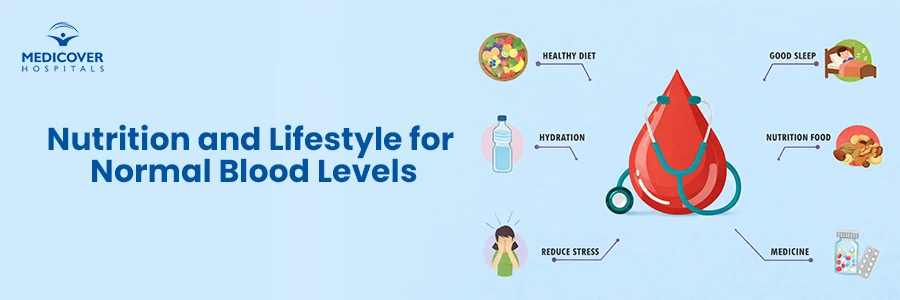
Daily habits play a consistent role in keeping blood parameters stable over time, and simple, sustainable routines can support recovery, immunity, and overall metabolic balance.
- Hydration habits: The intake of adequate fluids helps minimise misleading variations linked to dehydration and blood test results, while also supporting healthy circulation and improving the reliability of routine lab measurements.
- Managing long-term conditions: The effective management of existing health conditions leads to stable control of chronic diseases and blood levels which helps maintain stable key blood parameters. The combination of consistent medical check-ups with patient monitoring enables doctors to identify health changes which need immediate treatment modifications that will help patients achieve better long-term health outcomes.
- Rest and stress balance: Healthy sleep patterns and effective stress management positively influence the immune system and white blood cells, helping maintain steady immune responses and reduce inflammation-related stress.
Consistent daily routines that combine hydration, disease management, and proper rest help maintain stable blood parameters over time. These practical habits support long-term blood health and improve the accuracy of ongoing monitoring.
Nutrition for Normal Blood Levels
Targeted nutrition is one of the most effective ways to support healthy blood parameters. A balanced diet helps maintain red cell production, oxygen transport and immune resilience.
- Iron-supportive meals: The body needs iron for hemoglobin production which enables oxygen movement through the bloodstream. The body receives sustained energy through regular consumption of these foods which also helps maintain proper red blood cell function.
- Vitamin support for red cell production: Individuals with vitamin B12 deficiency experience two health consequences because their body develops nerve damage and their red blood cell production decreases but dietary intake with medical guidance enables them to maintain normal energy levels while their body effectively transports oxygen.
- Folate intake for cell growth: People who experience folate deficiency stop making red blood cells and repairing body tissues but they can achieve proper blood formation by eating citrus fruits, beans and green vegetables.
Individuals who plan their meals regularly and focus on nutrient-rich foods maintain their blood measurements at normal levels. Daily diets which include sources of iron, vitamin B12 and folate enable the body to produce more red blood cells, which results in improved blood health.
Your health is everything - prioritize your well-being today.
Schedule Your AppointmentWhen to See a Hematology Specialist
The medical condition of the patient requires assessment because their blood test results show continuous irregularities and their body shows ongoing symptoms of fatigue, frequent infections and unusual bleeding. A hematology specialist can interpret blood test patterns to find the source of the medical issue and recommend suitable treatment methods.
The best time to seek medical advice exists when test results show continuous abnormal results that stay unchanged after dietary and physical activity modifications. The people who show continuous medical problems together with undiagnosed health issues should visit hematology specialists in Hyderabad for complete testing and continuous individual profile assessment.
Supporting Blood Health Through Lifestyle and Medical Guidance
People who understand normal blood levels can make better health choices and detect their health problems at an early stage. The combination of regular blood tests with proper daily activities and specific dietary plans functions as the main method to achieve successful blood health maintenance. Medical professionals should provide their expert assessment when patients require ongoing medical attention to receive proper diagnosis and treatment.
The Medicover Hospitals uses a coordinated approach that combines evidence-based methods with different medical specialists to maintain blood health as a vital component of complete patient wellness.
Frequently Asked Questions
Normal blood levels are standard ranges for hemoglobin, WBC, platelets and RBC that indicate balanced oxygen delivery, immunity and clotting.
Common signs of abnormal blood levels include persistent fatigue, dizziness, frequent infections, unusual bruising or slow wound healing.
Yes, hydration, balanced nutrition, stress control and regular check-ups help stabilise blood parameters over time.
If blood test results remain abnormal or symptoms persist, it is recommended to consult a haematology specialist for further evaluation and proper treatment.
Yes, not drinking enough fluids can slightly change certain blood readings, which is why proper hydration is recommended before testing.
Yes, Medicover Hospitals offers structured hematology assessments to identify causes of abnormal blood levels and guide further care.
Categories
- Cardiology
- Case Studies
- Dermatology
- Endocrinology
- ENT
- Fertility
- Gastroenterology
- General
- General-Medicine
- Gynecology
- Hematology
- Infectious-Diseases
- Medical News
- Neurology
- Oncology
- Ophthalmology
- Orthopedics
- Pediatrics
- Procedure
- Public-Health
- Pulmonology
- Radiology
- Second Opinion
- Urology
- Wellness
- Woman-and-child
Related Blogs
Still have questions? Speak with our experts now!
040-68334455
Read this page in:


