 Call
Call Patient Reports
- Cardiology 84
- Dermatology 45
- Endocrinology 33
- ENT 16
- Fertility 190
- Gastroenterology 78
- General-Medicine 81
- Gynecology 80
- Hematology 19
- Infectious-Diseases 33
- Neurology 52
- Oncology 34
- Ophthalmology 23
- Orthopedics 69
- Pediatrics 31
- Procedure 23
- Public-Health 144
- Pulmonology 59
- Radiology 8
- Urology 68
- Wellness 161
- Woman-and-child 77
- 3759
- 3.5 Minute
Motor Neurone Disease: Symptoms and Care
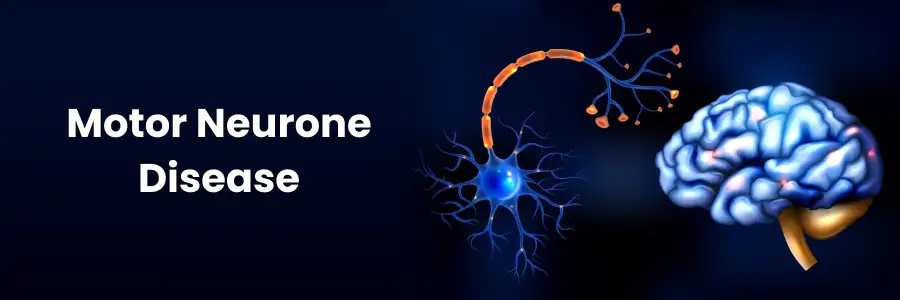
Motor neuron disease (MND) is a progressive neurological condition that affects the motor neurons in the brain and spinal cord. These motor neurons are essential for conveying messages from the brain to the muscles, facilitating voluntary muscle movement. When these neurons are damaged, muscle control is gradually lost, leading to severe disability. This article delves into the symptoms, diagnosis, causes, prevention, and treatment options for MND, providing a comprehensive understanding of this debilitating disease.
What is Motor Neurone Disease?
Motor Neurone Disease, often abbreviated as MND, is an umbrella term for a group of conditions that affect the motor neurons. The most common form of MND is Amyotrophic Lateral Sclerosis (ALS), famously associated with renowned physicist Stephen Hawking. Other types include Progressive Muscular Atrophy (PMA), Primary Lateral Sclerosis (PLS), and Progressive Bulbar Palsy (PBP).
Symptoms of Motor Neurone Disease
The symptoms of MND can vary significantly depending on the type and progression of the disease. However, some common signs include:
Early Symptoms
- Muscle Weakness: Often the first noticeable symptom, muscle weakness can begin in the arms, legs, or hands, making daily tasks challenging.
- Muscle Cramps and Twitching: Fasciculations, or muscle twitching, are common in the early stages.
- Clumsiness: Individuals may notice a decline in their dexterity, leading to frequent tripping or dropping objects.
- Slurred Speech: Difficulty in articulating words, leading to slurred or nasal speech.
Get a second opinion from trusted experts and makeconfident, informed decisions.
Get Second OpinionNot sure where to start?
Talk to a patient care advisor — free, confidential, 24/7. We'll match you to the right specialist and book your appointment in minutes.
Advanced Symptoms
- Severe Muscle Atrophy: As the disease progresses, muscle wasting becomes more pronounced.
- Difficulty Swallowing (Dysphagia): Swallowing becomes challenging, increasing the risk of choking and aspiration pneumonia.
- Breathing Problems: Respiratory muscles weaken, leading to shortness of breath and, eventually, the need for ventilatory support.
- Total Paralysis: In the final stages, individuals may lose the ability to move entirely, although cognitive functions often remain intact.
Diagnosing Motor Neurone Disease
Diagnosing MND can be challenging due to its similarity to other neurological conditions. A comprehensive diagnostic process typically involves the following:
Clinical Examination
A neurologist will conduct a thorough physical examination, assessing muscle strength, reflexes, and signs of muscle wasting.
Electromyography (EMG)
EMG measures the electrical activity of muscles, helping to identify abnormalities in motor neuron function.
Nerve Conduction Studies (NCS)
These tests measure the speed and strength of signals travelling through the nerves, detecting any dysfunctions.
Magnetic Resonance Imaging (MRI)
MRI scans help rule out other conditions with similar symptoms, such as spinal cord compression or brain tumours.
Blood and Urine Tests
These tests can identify markers that might indicate other conditions or deficiencies contributing to symptoms.
Causes of Motor Neurone Disease
The exact cause of MND remains largely unknown, but several factors have been identified as potential contributors:
Genetic Factors
Approximately 5-10% of MND cases are familial, meaning they are inherited. Mutations in specific genes, such as SOD1, C9orf72, and TARDBP, have been linked to the disease.
Environmental Factors
There is evidence to suggest that exposure to certain toxins, heavy metals, and chemicals might increase the risk of developing MND.
Lifestyle Factors
Smoking and a history of military service have also been associated with a higher risk of MND, although the reasons remain unclear.
Prevention and Risk Reduction
While there is no guaranteed way to prevent MND, specific lifestyle changes may reduce the risk or delay the onset of symptoms:
Healthy Diet
A diet rich in antioxidants, vitamins, and minerals supports overall neurological health. Omega-3 fatty acids, found in fish and flaxseed, may be particularly beneficial.
Regular Exercise
Engaging in regular physical activity helps maintain muscle strength and overall health, potentially delaying the onset of symptoms.
Avoiding Toxins
Minimizing exposure to environmental toxins, such as pesticides and heavy metals, may reduce the risk of developing MND.
Treatment and Care
While there is currently no cure for MND, various treatments and interventions can help manage symptoms and improve quality of life:
Medications
- Riluzole: This drug can slow the progression of ALS by reducing the release of glutamate, a neurotransmitter that can be toxic to neurons at high levels.
- Edaravone: Recently approved for ALS, this medication may help reduce oxidative stress in neurons.
Physical Therapy
Physiotherapy can help maintain muscle strength and flexibility, reducing stiffness and discomfort.
Occupational Therapy
Occupational therapists assist individuals in adapting their homes and routines to accommodate physical limitations, promoting independence.
Your health is everything - prioritize your well-being today.
Schedule Your AppointmentSpeech Therapy
Speech therapists work with individuals to improve communication skills and manage swallowing difficulties.
Respiratory Support
As respiratory muscles weaken, non-invasive ventilation (NIV) or mechanical ventilation may be required to support breathing.
Nutritional Support
Dietitians provide guidance on maintaining adequate nutrition, often recommending high-calorie diets to counteract weight loss due to muscle wasting.
The Role of Caregivers
Caregivers play a crucial role in managing MND, providing physical, emotional, and practical support. They assist with daily activities, medication management, and medical care coordination, significantly impacting the quality of life for those with MND.
Conclusion
Motor Neurone Disease is a complex and challenging condition that requires a multi-faceted approach to care and management. Understanding the symptoms, diagnosis, causes, prevention strategies, and treatment options is crucial for patients, caregivers, and healthcare providers. While a cure remains elusive, advancements in research and supportive care continue to improve the lives of those affected by MND.
Frequently Asked Questions
Symptoms include muscle weakness, difficulty speaking, swallowing, and breathing issues.
While there is no cure, treatment focuses on managing symptoms with medications, therapy, and assistive devices.
The exact cause is unknown, but genetics and environmental factors may play a role.
Diagnosis involves neurological exams, electromyography (EMG), and ruling out other conditions.
There is currently no known way to prevent motor neurone disease, but early intervention can help manage symptoms.
- Cardiology
- Case Studies
- Dermatology
- Endocrinology
- ENT
- Fertility
- Gastroenterology
- General
- General-Medicine
- Gynecology
- Hematology
- Infectious-Diseases
- Medical News
- Neurology
- Oncology
- Ophthalmology
- Orthopedics
- Pediatrics
- Procedure
- Public-Health
- Pulmonology
- Radiology
- Second Opinion
- Urology
- Wellness
- Woman-and-child
Related Blogs
Still have questions? Speak with our experts now!
040-68334455


