 Call
Call Patient Reports
- Cardiology 84
- Dermatology 45
- Endocrinology 33
- ENT 16
- Fertility 190
- Gastroenterology 78
- General-Medicine 81
- Gynecology 80
- Hematology 19
- Infectious-Diseases 33
- Neurology 52
- Oncology 34
- Ophthalmology 23
- Orthopedics 69
- Pediatrics 31
- Procedure 23
- Public-Health 144
- Pulmonology 59
- Radiology 8
- Urology 68
- Wellness 161
- Woman-and-child 77
- 3759
- 3.5 Minute
Minimally Invasive Surgery for Endometriosis: Is It Right?
Endometriosis is a condition that affects millions of women worldwide, causing pain, heavy periods, and sometimes infertility. If you have been diagnosed with endometriosis, you might have heard about minimally invasive surgery as a treatment option. But is it right for you? In this article, we will discuss what minimally invasive surgery for endometriosis involves, its benefits and risks, and how it compares to traditional surgery. We will also cover post-surgery care and other treatment alternatives.
Get a second opinion from trusted experts and makeconfident, informed decisions.
Get Second OpinionNot sure where to start?
Talk to a patient care advisor — free, confidential, 24/7. We'll match you to the right specialist and book your appointment in minutes.
What is Minimally Invasive Surgery for Endometriosis?
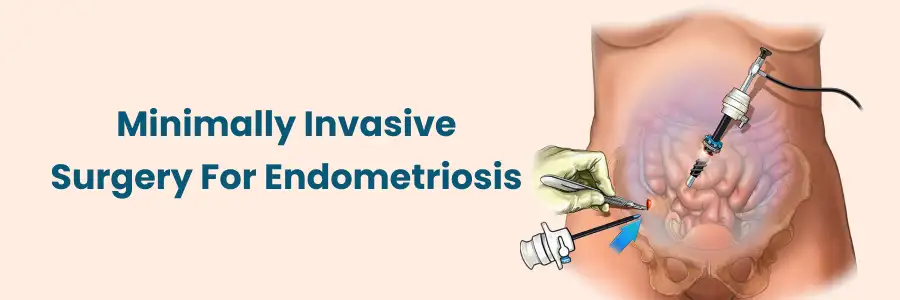
Minimally invasive surgery, often referred to as laparoscopic surgery for endometriosis, is a procedure used to diagnose and treat endometriosis. During this surgery, a small camera called a laparoscope is inserted through a tiny incision in the abdomen. This allows the surgeon to see inside the pelvic area and remove or destroy endometriosis tissue with minimal damage to surrounding tissues.
How is it Performed?
The surgeon makes a few small incisions in the abdomen and inserts the laparoscope and surgical instruments. The laparoscope sends images to a monitor, allowing the surgeon to see the endometriosis tissue. Using specialised instruments, the surgeon removes or destroys the endometrial tissue. The procedure usually takes about 30 minutes to a few hours, depending on the extent of the endometriosis.
Benefits of Minimally Invasive Surgery
Less Pain and Scarring
One of the main advantages of minimally invasive surgery is that it causes less pain and scarring compared to traditional surgery. The small incisions mean less trauma to the body and a quicker recovery time.
Faster Recovery Time
Patients who undergo minimally invasive surgery typically experience a faster recovery time. Most people can return to their normal activities within a week or two, compared to several weeks for traditional surgery.
Lower Risk of Complications
Because the surgery is less invasive, there is a lower risk of complications such as infections and blood loss, making it a safer option for many patients.
Comparing Minimally Invasive vs. Traditional Surgery
Traditional Surgery
Traditional surgery for endometriosis, also known as laparotomy, involves a larger incision in the abdomen. This allows the surgeon to have a direct view and access to the pelvic area. While this method can be effective, it usually involves a longer recovery time, more pain, and a higher risk of complications.
Minimally Invasive Surgery
Minimally invasive surgery offers a less traumatic alternative to traditional surgery. The smaller incisions and advanced technology allow for precise removal of endometriosis tissue with minimal damage to surrounding organs. However, it requires a skilled surgeon with experience in laparoscopic techniques.
Risks of Minimally Invasive Surgery
Infection
As with any surgery, there is a risk of infection. However, the risk is lower with minimally invasive surgery due to the smaller incisions.
Bleeding
There is also a risk of bleeding during or after the surgery. The surgeon will take precautions to minimize this risk, but it is still something to be aware of.
Organ Damage
While rare, there is a possibility of damage to nearby organs such as the bladder, bowel, or blood vessels. This is why it is essential to choose a skilled and experienced surgeon.
Post-Surgery Care for Endometriosis
Immediate Recovery
After the surgery, you will be monitored in the recovery room until the anaesthesia wears off. You may experience some pain and discomfort, which can be managed with pain medication. Most patients are able to go home the same day or the next day.
Home Care
Once you are home, it is important to rest and avoid strenuous activities for at least a week. Follow your surgeon’s instructions regarding wound care and medication. You may need to take antibiotics to prevent infection and pain relievers to manage any discomfort.
Follow-Up Appointments
You will need to schedule follow-up appointments with your surgeon to monitor your recovery and ensure that the surgery was successful. Your surgeon will check the incision sites and discuss any concerns or symptoms you may have.
Endometriosis Treatment Alternatives
Medication
For some women, medication can be an effective way to manage the symptoms of endometriosis. Hormonal therapies such as birth control pills, GnRH agonists, and progestin therapy can help reduce pain and slow the growth of endometrial tissue.
Physical Therapy
Physical therapy can also be beneficial for managing pain and improving pelvic floor function. A physical therapist with experience in treating endometriosis can develop a personalized exercise and treatment plan to help alleviate your symptoms.
Lifestyle Changes
Making lifestyle changes such as maintaining a healthy diet, exercising regularly, and managing stress can also help manage the symptoms of endometriosis. Some women find relief through alternative therapies such as acupuncture, yoga, and herbal supplements.
Is Minimally Invasive Surgery Right for You?
Deciding whether minimally invasive surgery is right for you depends on several factors, including the severity of your endometriosis, your symptoms, and your overall health. It is important to discuss your options with your doctor and consider the potential benefits and risks.
Factors to Consider
- Severity of Symptoms: If you have severe pain or other symptoms that are not well-managed with medication, surgery may be a good option.
- Fertility Goals: If you are trying to conceive, surgery may improve your chances of becoming pregnant.
- Overall Health: Your overall health and any underlying medical conditions will also determine whether surgery is the best option for you.
Consultation with a Specialist
Consulting with a gynaecologist who specializes in endometriosis is essential. They can provide you with the information and guidance you need to make an informed decision about your treatment options.
Your health is everything - prioritize your well-being today.
Schedule Your AppointmentConclusion
Minimally invasive surgery for endometriosis offers many benefits, including less pain, faster recovery, and a lower risk of complications compared to traditional surgery. However, it is important to consider the potential risks and discuss your options with a specialist. By understanding the benefits, risks, and alternatives, you can make an informed decision about whether minimally invasive surgery is right for you.
Frequently Asked Questions
Minimally invasive surgery, or laparoscopy, involves using small incisions and a camera to remove or destroy endometriosis tissue with minimal damage.
The procedure typically lasts between 30 minutes to a few hours, depending on the extent of endometriosis.
Benefits include less pain, smaller scars, quicker recovery, and a lower risk of complications compared to traditional surgery.
Risks include infection, bleeding, and potential damage to nearby organs, though these are less common with minimally invasive techniques.
Expect some pain and discomfort managed with medication, a need for rest, and a follow-up with your surgeon to monitor healing and recovery.
Alternatives include medication, physical therapy, and lifestyle changes. Consulting with a specialist will help determine the best approach for your condition.
- Cardiology
- Case Studies
- Dermatology
- Endocrinology
- ENT
- Fertility
- Gastroenterology
- General
- General-Medicine
- Gynecology
- Hematology
- Infectious-Diseases
- Medical News
- Neurology
- Oncology
- Ophthalmology
- Orthopedics
- Pediatrics
- Procedure
- Public-Health
- Pulmonology
- Radiology
- Second Opinion
- Urology
- Wellness
- Woman-and-child
Related Blogs
Still have questions? Speak with our experts now!
040-68334455


