 Call
Call Patient Reports
- Cardiology 84
- Dermatology 45
- Endocrinology 33
- ENT 16
- Fertility 190
- Gastroenterology 78
- General-Medicine 81
- Gynecology 80
- Hematology 19
- Infectious-Diseases 33
- Neurology 52
- Oncology 34
- Ophthalmology 23
- Orthopedics 69
- Pediatrics 31
- Procedure 23
- Public-Health 144
- Pulmonology 59
- Radiology 8
- Urology 68
- Wellness 161
- Woman-and-child 77
- 3759
- 3.5 Minute
Menstrual Cup
Navigating the world of menstrual products can be overwhelming, especially when considering a switch to menstrual cups. These innovative devices offer numerous benefits, but selecting the right one requires careful consideration. In this article, we will explore the factors to consider when choosing a menstrual cup, how to use it and essential safety and health concerns.
What is a Menstrual Cup?
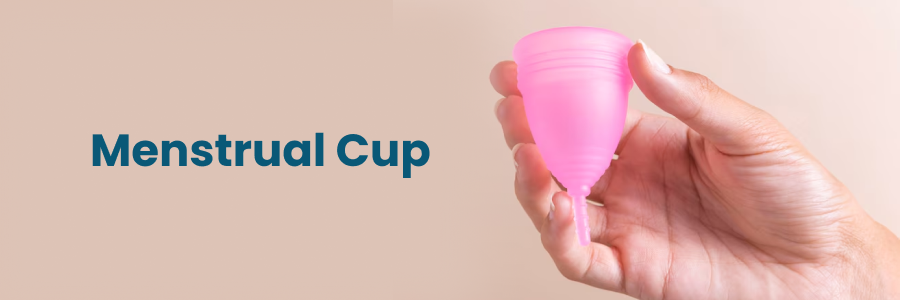
A menstrual cup is a reusable feminine hygiene product made of medical-grade silicone, rubber, or elastomer. Unlike tampons and pads, which absorb menstrual fluid, a menstrual cup collects it. The cup is inserted into the vagina, where it creates a seal against the vaginal walls, effectively capturing menstrual blood.
Get a second opinion from trusted experts and makeconfident, informed decisions.
Get Second OpinionNot sure where to start?
Talk to a patient care advisor — free, confidential, 24/7. We'll match you to the right specialist and book your appointment in minutes.
Benefits of Using a Menstrual Cup
Understanding the advantages of menstrual cups can help you decide if they are the right choice for you.
Environmental Impact
Menstrual cups are reusable, making them an eco-friendly alternative to disposable tampons and pads. One cup can last up to 10 years with proper care, significantly reducing waste.
Cost-Effectiveness
Although the initial cost of a menstrual cup is higher than that of disposable products, the long-term savings are substantial. You won't need to purchase monthly supplies of tampons or pads, making menstrual cups a cost-effective option over time.
Health Benefits
Menstrual cups do not contain chemicals, fragrances, or bleaches, reducing the risk of irritation and allergic reactions. Additionally, they maintain the natural pH balance of the vagina and are associated with a lower risk of Toxic Shock Syndrome (TSS) compared to tampons.
Types of Menstrual Cups
Choosing the right menstrual cup involves understanding the different types available.
Firmness
Menstrual cups come in varying degrees of firmness. A firmer cup may be easier to open and create a secure seal but could be uncomfortable for those with sensitive bladders or vaginas. Softer cups are more comfortable but may be more challenging to insert and remove.
Size
Menstrual cups are typically available in two sizes: small and large. Smaller sizes are recommended for younger individuals or those who have not given birth vaginally, while larger sizes are suggested for those who have given birth or have a heavier flow.
Menstrual Cup Size and Fit Guide
Finding the right size and fit is crucial for comfort and effectiveness.
Cervical Height
Determine the height of your cervix during your period by inserting a clean finger into your vagina and feeling for the cervix, which feels like the tip of your nose. If you can reach it easily, you have a low cervix, and if you can barely reach it, you have a high cervix. Select a cup that matches your cervical height for the best fit.
Flow Intensity
Your menstrual flow intensity also influences the size of the cup you should choose. For a lighter flow, a smaller cup may suffice, whereas a heavier flow may require a larger capacity cup.
How to Use a Menstrual Cup?
Using a menstrual cup may require some practice, but following these steps can help you get started.
Insertion
- Wash your hands: Always start with clean hands to prevent introducing bacteria into the vagina.
- Fold the cup: Fold the cup in a C-fold or punch-down fold to make insertion easier.
- Insert the cup: While in a comfortable position, insert the folded cup into the vagina, aiming towards the tailbone. Release the fold once the cup is inside and allow it to open and create a seal.
Removal
- Wash your hands: Ensure your hands are clean before removing the cup.
- Locate the base: Pinch the base of the cup to break the seal.
- Remove the cup: Gently pull the cup out, keeping it upright to avoid spilling the contents.
Cleaning and Sterilizing a Menstrual Cup
Proper cleaning and sterilization are essential for maintaining the hygiene and longevity of your menstrual cup.
- During your period: Rinse the cup with water and mild, unscented soap every time you empty it. Avoid using harsh chemicals or scented soaps.
- After your period: Sterilize the cup by boiling it in water for 5-10 minutes. Ensure the cup does not touch the bottom of the pot to prevent damage.
Menstrual Cup Safety and Health Concerns
While menstrual cups are generally safe, it is essential to consider certain health concerns.
Toxic Shock Syndrome (TSS)
Although rare, TSS can occur with any menstrual product. To reduce the risk, wash your hands before handling the cup, empty it every 8-12 hours, and follow proper cleaning procedures.
Allergic Reactions
Menstrual cups are made from medical-grade materials, but some individuals may still experience allergic reactions. If you notice irritation or discomfort, discontinue use and consult a healthcare provider.
Vaginal Health
Menstrual cups help maintain the vagina's natural pH balance, reducing the risk of infections. However, improper cleaning or prolonged use can lead to infections. Always follow the recommended guidelines for use and care.
Comparison of Menstrual Cups to Other Menstrual Products
Comparing menstrual cups to other products can provide a clearer picture of their benefits.
Tampons and Pads
Unlike tampons and pads, menstrual cups are reusable, reducing waste and costs. They also hold more fluid, requiring fewer changes throughout the day.
Menstrual Discs
Menstrual discs are another reusable option, but they sit higher in the vaginal canal and can be messier to remove. Cups are more secure and easier to use for most individuals.
Period Underwear
Period underwear can be used in conjunction with a menstrual cup for added protection. However, they may not be sufficient on their own for individuals with a heavy flow.
Your health is everything - prioritize your well-being today.
Schedule Your AppointmentHow Long Can You Wear a Menstrual Cup?
Menstrual cups can be worn for up to 12 hours, depending on your flow. Most individuals find that they need to empty the cup 2-4 times a day. To maintain hygiene, always empty and clean the cup at least every 12 hours.
Conclusion
Choosing the right menstrual cup involves understanding your body's needs and preferences. Consider factors such as size, firmness, and flow intensity to find the perfect fit. With proper use and care, menstrual cups offer a safe, cost-effective, and environmentally friendly alternative to traditional menstrual products.
By following the guidelines and tips outlined in this article, you can make an informed decision and enjoy the numerous benefits that menstrual cups provide.
Frequently Asked Questions
There are various types, including silicone, latex, and rubber menstrual cups, each with different sizes and shapes.
Menstrual cups are eco-friendly, cost-effective, and can be worn for up to 12 hours without needing replacement.
Fold the cup, insert it into the vagina, and ensure it opens fully to create a seal. It collects menstrual fluid.
Sterilize by boiling the cup for 5-10 minutes between cycles and clean with mild soap during use.
Most menstrual cups can be worn for up to 12 hours, depending on the flow, before needing to be emptied.
- Cardiology
- Case Studies
- Dermatology
- Endocrinology
- ENT
- Fertility
- Gastroenterology
- General
- General-Medicine
- Gynecology
- Hematology
- Infectious-Diseases
- Medical News
- Neurology
- Oncology
- Ophthalmology
- Orthopedics
- Pediatrics
- Procedure
- Public-Health
- Pulmonology
- Radiology
- Second Opinion
- Urology
- Wellness
- Woman-and-child
Related Blogs
Still have questions? Speak with our experts now!
040-68334455


