 Call
Call Patient Reports
- Cardiology 84
- Dermatology 45
- Endocrinology 33
- ENT 16
- Fertility 190
- Gastroenterology 78
- General-Medicine 81
- Gynecology 80
- Hematology 19
- Infectious-Diseases 33
- Neurology 52
- Oncology 34
- Ophthalmology 23
- Orthopedics 69
- Pediatrics 31
- Procedure 23
- Public-Health 144
- Pulmonology 59
- Radiology 8
- Urology 68
- Wellness 161
- Woman-and-child 77
- 3224
- 3.2 Minute
Managing Common Childhood Allergies: A Comprehensive Guide
Childhood allergies are becoming increasingly common, with many children experiencing symptoms that can range from mild to severe. Managing these allergies effectively is essential for ensuring a child's comfort and well-being.
In this post, we'll explore the most common childhood food allergies, how to recognize them, and practical strategies for management.
Understanding Childhood Allergies
Childhood allergies occur when a child's immune system reacts to substances that are usually harmless. These can include foods, pollen, insect bites, and more.
Food Allergies
- Common childhood food allergies: Peanuts,Milk, Eggs, Wheat, Soy
- Symptoms: Hives, Swelling, Difficulty in breathing, Gastrointestinal issues
Environmental Allergies
- Common allergens: Pollen, mold, animal dander
- Symptoms: Sneezing, nasal congestion, itchy eyes, coughing
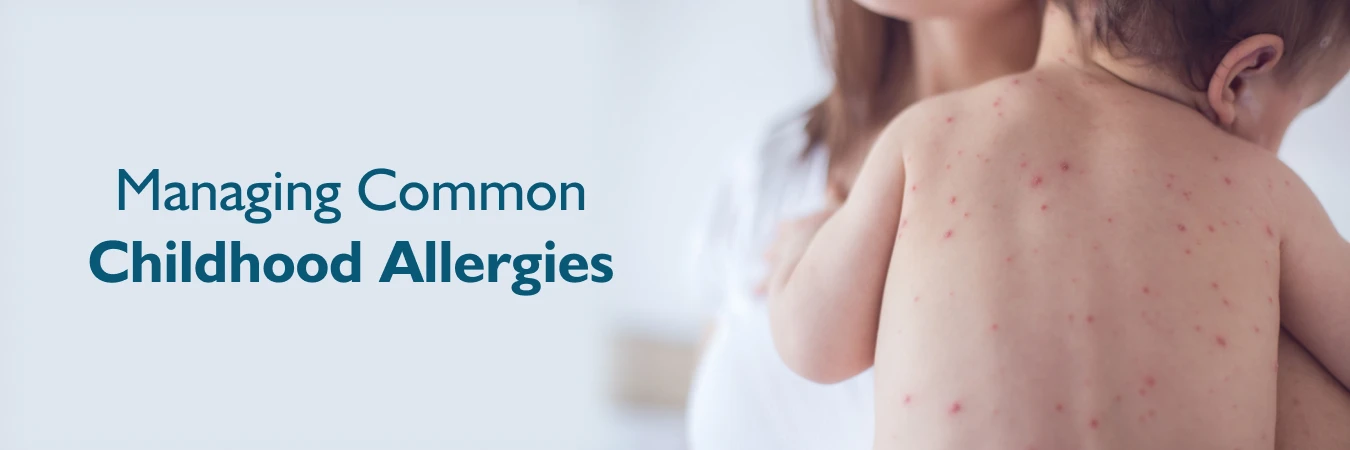
Skin Allergies
Diagnosis and Testing
If you suspect your child has an allergy, a healthcare provider may recommend allergy testing. This can include skin tests or blood tests, depending on the suspected allergens.
Managing Allergies
Effective management involves both prevention and treatment.
Avoidance
- Learn to recognize and avoid triggers.
- Read food labels carefully if your child has food allergies.
- Consider allergy-proof bedding for dust mite allergies.
Medications
- Antihistamines can relieve symptoms.
- Prescription medications might be necessary for severe allergies.
Allergy Shots (Immunotherapy)
For chronic allergies, a long-term solution might be allergy shots.
Education
- Teach your child about their allergies and how to avoid triggers.
- Ensure teachers, caregivers, and friends' parents are aware of your child's allergies.
Your health is everything - prioritize your well-being today.
Schedule Your AppointmentTreatment of Skin Allergy in Child
When dealing with skin allergies in children, effective child skin allergy treatment is crucial. This may include avoiding allergens, using appropriate moisturizers, and applying topical medications as prescribed by a healthcare provider.
Conclusion
Managing common childhood allergies requires awareness, diligence, and cooperation with healthcare providers. By understanding the triggers and implementing strategies to avoid them, you can help your child live a more comfortable and fulfilling life.
Regular check-ups, appropriate medications, and education can further support a child's well-being and foster a safe environment.
Frequently Asked Questions
Food allergies (such as peanuts, milk, eggs), environmental allergies (like pollen, mold), and skin allergies (to detergents or soaps) are common in children.
Symptoms may include hives, swelling, difficulty breathing, sneezing, nasal congestion, or gastrointestinal issues, depending on the allergen.
Seek emergency medical help immediately. If an epinephrine auto-injector has been prescribed, administer it as directed.
Understanding and avoiding triggers, using appropriate medications, and educating those around your child about their allergies can prevent reactions.
Some children may outgrow certain food allergies, but others, like peanut allergies, typically persist. Regular monitoring by a healthcare provider is essential.
Allergies can trigger asthma attacks in children who have asthma. Asthma involves inflammation and narrowing of the airways, making it harder to breathe.
Yes, with proper management and precautions (like carrying medications), children with allergies can safely participate in sports and outdoor activities.
A balanced diet can support overall health and may help reduce allergy symptoms, but specific allergies may require avoiding certain foods.
Yes, seasonal allergies (hay fever) caused by pollen from trees, grasses, or weeds can affect children during specific times of the year.
- Cardiology
- Case Studies
- Dermatology
- Endocrinology
- ENT
- Fertility
- Gastroenterology
- General
- General-Medicine
- Gynecology
- Hematology
- Infectious-Diseases
- Medical News
- Neurology
- Oncology
- Ophthalmology
- Orthopedics
- Pediatrics
- Procedure
- Public-Health
- Pulmonology
- Radiology
- Second Opinion
- Urology
- Wellness
- Woman-and-child
Related Blogs
Still have questions? Speak with our experts now!
040-68334455


