 Call
Call Patient Reports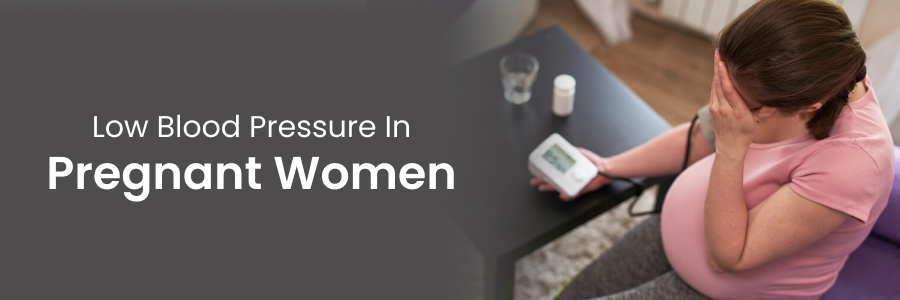
- 4195
- 3.2
Written by Medicover Team and Medically Reviewed by Dr Jyotsna T, Gynecologist
Low Blood Pressure in Pregnancy
During pregnancy, many women experience various physical changes like shifts in blood pressure. While high blood pressure often gets more attention, low blood pressure in pregnancy is also common, especially in the early months. Although it’s not usually dangerous, it can cause dizziness, fatigue and fainting.
In this article, we will learn about its symptoms, causes and how to treat it safely is for a healthy pregnancy.
What Is Low Blood Pressure in Pregnancy?
Low blood pressure or hypotension during pregnancy refers to a drop in the force of blood flowing through your arteries. It is typically defined as a reading below 90/60 mmHg. While it can be a normal part of pregnancy due to hormonal changes, in some cases, it may require medical treatment, especially if symptoms are severe.
Get a second opinion from trusted experts and makeconfident, informed decisions.
Get Second OpinionNot sure where to start?
Talk to a patient care advisor — free, confidential, 24/7. We'll match you to the right specialist and book your appointment in minutes.
Symptoms of Low Blood Pressure in Pregnancy
Some of the common signs and symptoms of Low BP during pregnancy include:
Causes of Low Blood Pressure in Pregnancy
Low BP can be caused by several pregnancy-related and lifestyle factors:
- Hormonal changes: When you’re pregnant, your body produces hormones like progesterone, which can relax blood vessels. This relaxation can lead to lower blood pressure.
- Expanded circulatory system: Your body produces more blood to support the fetus. This expanded system sometimes results in lower blood pressure.
- Dehydration: Many pregnant women experience dehydration, which can happen if they don't drink enough fluids. This lack of hydration can lead to drops in blood pressure.
- Anemia: When there isn’t enough iron in the body, it can cause anaemia, which may cause low blood pressure.
- Resting or Standing Up Quickly: Staying in bed for a long time or quickly getting up after lying down can cause a sudden drop in blood pressure.
- Prolonged bed rest or sudden standing: Staying in bed for an extended period or quickly getting up after lying down can cause blood pressure to drop.
- Nutrient deficiencies or skipping meals: Not getting enough essential nutrients or skipping meals can also result in low blood pressure.
Is Low Blood Pressure Dangerous During Pregnancy?
In most cases, low blood pressure is not harmful and tends to return to normal in the second or third trimester. However, if your blood pressure gets really low or if you experience serious symptoms, it could cause some problems like:
- Reduce oxygen flow to your organs or the baby
- Lead to falls from fainting.
- Be a sign of a serious issue like ectopic pregnancy or internal bleeding
How to Treat Low Blood Pressure During Pregnancy?
If you're experiencing low blood pressure while pregnant, here are some simple tips to help you feel better and keep your blood flowing smoothly:
- Get up slowly: When moving from sitting or lying down, take your time to stand up. This can help prevent feelings of dizziness.
- Stay hydrated: Make sure to drink plenty of water throughout the day to stay well-hydrated.
- Eat frequent, small meals: Instead of having large meals, try to eat smaller portions more frequently. This can keep your energy levels steady.
- Rest often: Don’t push yourself too hard. If you start feeling weak or tired, take a break to rest.
- Wear compression socks: Wearing compression socks can help improve blood circulation in your legs.
- Avoid standing for long periods: If you can, try not to stand in one place for too long, as this can make you feel lightheaded.
Natural Home Remedies for Low Blood Pressure in Pregnancy
If you are dealing with low blood pressure while pregnant, here are safe and natural ways to manage low BP during pregnancy:
- Salted lemon water: Adding a little salt to lemon water can help bring back your sodium levels, which is important for maintaining healthy blood pressure.
- Raisins soaked overnight: Eating raisins that have been soaked overnight can help increase your blood volume, which may be beneficial.
- Coconut water: Drinking coconut water keeps you well-hydrated and helps maintain a good balance of essential minerals in your body.
- Tulsi leaves with honey: Consuming tulsi leaves with honey may support heart health and promote better blood circulation.
- Cold water splash: If you feel dizzy, splashing cold water on your face can provide quick relief.
Note: Always consult your healthcare provider before starting home remedies during pregnancy.
Best Food for Low Blood Pressure in Pregnancy
Eating the right foods is important during pregnancy, especially if you're dealing with low blood pressure. Here are some best foods to include in your meals:
- Whole grains and brown rice: These provide lasting energy and nutrients.
- Fruits rich in vitamin C: Consider oranges, guavas and kiwis. They help boost your immune system and overall health.
- Leafy greens and iron-rich foods: Spinach and beetroot are excellent choices that help support your blood health.
- Protein sources: Eggs, lentils and tofu are great for strength and development.
- Bananas: They are high in potassium, which is beneficial for balancing blood pressure.
- Salted buttermilk or lassi: These can help replenish your body’s salts and keep you hydrated.
- Dates, almonds and soaked raisins: These snacks are nutritious and can give you a quick energy boost.
These foods can help maintain healthy blood pressure and energy levels.
When to Call Your Doctor?
Consult you doctor if you experience:
- Persistent dizziness or fainting
- Shortness of breath
- Chest pain
- Vision changes
- Extremely low BP readings (below 80/50 mmHg)
- Decreased fetal movement
Your health is everything - prioritize your well-being today.
Schedule Your AppointmentConclusion
Low blood pressure in pregnancy is usually not serious but it's important to pay attention to how you're feeling. To help manage any symptoms, make sure to drink plenty of water, eat good meals and avoid making sudden movements. If you are not sure about the symptoms or if your symptoms get worse, consult your doctor for peace of mind. Taking a calm and careful approach is the best way to have a healthy pregnancy.
Frequently Asked Questions
Yes, especially in the first trimester. It usually returns to normal as pregnancy progresses.
It’s generally harmless but may cause dizziness or fainting. Extremely low levels could reduce oxygen to the baby.
Drink fluids, increase salt slightly (under medical guidance), eat frequent meals and get up slowly.
Low blood pressure usually doesn't affect childbirth. However, if it leads to serious issues, your doctor will take extra care during labor to ensure everything goes smoothly.
Yes, but avoid intense workouts. Try light walking or prenatal yoga after consulting your doctor.
Yes, hormonal changes often cause blood vessels to relax, leading to lower pressure in early pregnancy.
- Cardiology
- Case Studies
- Dermatology
- Endocrinology
- ENT
- Fertility
- Gastroenterology
- General
- General-Medicine
- Gynecology
- Hematology
- Infectious-Diseases
- Medical News
- Neurology
- Oncology
- Ophthalmology
- Orthopedics
- Pediatrics
- Procedure
- Public-Health
- Pulmonology
- Radiology
- Second Opinion
- Urology
- Wellness
- Woman-and-child
Related Blogs
Still have questions? Speak with our experts now!
040-68334455


