 Call
Call Patient Reports
- Cardiology 84
- Dermatology 45
- Endocrinology 33
- ENT 16
- Fertility 190
- Gastroenterology 78
- General-Medicine 81
- Gynecology 80
- Hematology 19
- Infectious-Diseases 33
- Neurology 52
- Oncology 34
- Ophthalmology 23
- Orthopedics 69
- Pediatrics 31
- Procedure 23
- Public-Health 144
- Pulmonology 59
- Radiology 8
- Urology 68
- Wellness 161
- Woman-and-child 77
- 3759
- 3.5 Minute
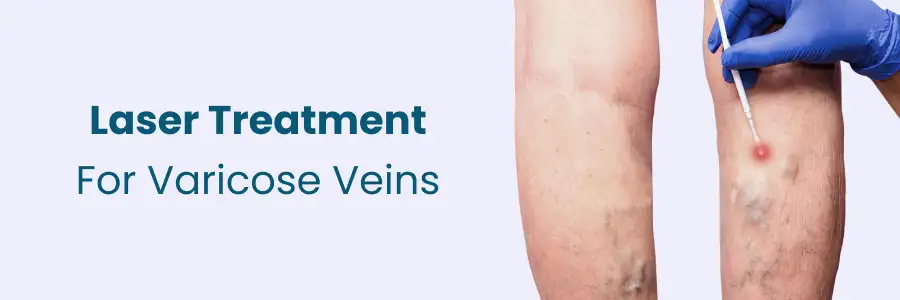
Laser Treatment for Varicose Veins
Varicose veins are a common condition affecting millions of individuals globally. If left untreated, they can cause significant discomfort and lead to more severe health issues. This article explores the intricacies of laser treatment for varicose veins, a modern, minimally invasive solution offering numerous benefits over traditional methods.
Get a second opinion from trusted experts and makeconfident, informed decisions.
Get Second OpinionNot sure where to start?
Talk to a patient care advisor — free, confidential, 24/7. We'll match you to the right specialist and book your appointment in minutes.
Understanding Varicose Veins
Varicose veins are enlarged, twisted veins that commonly occur in the legs and feet. They result from weakened or damaged vein walls and valves, leading to blood pooling and vein enlargement. Symptoms may include aching pain, swelling, and a heavy feeling in the legs, which can escalate to more severe complications like ulcers or blood clots.
What Is Laser Treatment for Varicose Veins?
Laser treatment for varicose veins utilizes focused light energy to close off and eliminate the problematic veins. The two primary types of laser treatments used are:
- Endovenous Laser Treatment (EVLT): This involves inserting a laser fiber into the vein through a small incision. The laser heats and seals the vein from the inside.
- Simple Laser Treatment: This is applied externally on the skin and is typically used for smaller varicose veins or spider veins.
Benefits of Laser Treatment for Varicose Veins
Laser therapy for varicose veins offers several advantages over traditional surgical methods:
Minimally Invasive
Unlike traditional vein stripping, which involves removing the vein surgically, laser treatment is minimally invasive. The procedure requires only tiny incisions, reducing the risk of infection and shortening recovery time.
Lower Risk of Complications
Due to its minimally invasive nature, laser treatment has a lower risk of complications such as bleeding and infection. Additionally, laser technology's precision ensures that surrounding tissues are minimally affected.
Quick Recovery Time
Patients undergoing laser varicose vein removal typically experience faster recovery times than those undergoing traditional surgery. Most individuals can return to their normal activities within a few days.
Effective Results
Laser treatment has a high success rate in eliminating varicose veins. Studies show that EVLT has a success rate of approximately 95%, making it a reliable option for many patients.
Procedure for Laser Varicose Vein Treatment
Pre-Procedure Preparation
Before undergoing laser treatment, patients typically undergo a thorough evaluation, including a physical examination and ultrasound imaging, to assess the affected veins and plan the procedure. Patients are advised to avoid certain medications and follow specific guidelines provided by their healthcare provider.
During the Procedure
- Anesthesia : Anaesthesia Local anesthesia is administered to numb the treatment area.
- Incision and Fiber Insertion: A small incision is made, and a laser fiber is inserted into the vein using ultrasound guidance.
- Laser Activation: The laser is activated, delivering targeted energy to heat and seal the vein.
- Fiber Removal and Bandaging: Once the vein is sealed, the fiber is removed, and the incision is bandaged.
Post-Procedure Care
Post-procedure care is crucial for a smooth recovery. Patients are typically advised to:
- Wear compression stockings to support blood flow.
- Avoid strenuous activities for a few days.
- Keep the treatment area clean and dry.
- Attend follow-up appointments to monitor progress.
Recovery from Laser Varicose Vein Surgery
Recovery from laser varicose vein surgery is generally swift and straightforward. Most patients experience mild discomfort, bruising, or swelling, which can be managed with over-the-counter pain relievers and compression stockings.
Short-Term Recovery
In the first few days post-procedure, patients are encouraged to:
- Walk regularly to promote blood circulation.
- Elevate the legs when resting to reduce swelling.
- Avoid prolonged standing or sitting.
Long-Term Recovery
Over the next few weeks, patients should:
- Gradually resume normal activities, including exercise.
- Monitor the treatment area for any signs of infection or complications.
- Continue wearing compression stockings as advised by their healthcare provider.
Laser vs. Traditional Varicose Vein Treatment
Efficacy
Both laser and traditional treatments are effective in treating varicose veins, but laser treatment tends to offer higher success rates and fewer recurrences.
Invasiveness
Traditional surgical methods are more invasive and involve longer recovery times compared to the minimally invasive nature of laser treatments.
Cost
Laser treatments can be more expensive than traditional methods. However, the reduced recovery time and lower risk of complications often justify the higher cost.
Your health is everything - prioritize your well-being today.
Schedule Your AppointmentConclusion
Laser treatment for varicose veins is a highly effective, minimally invasive solution that offers numerous benefits over traditional surgical methods. With a high success rate, quick recovery time, and lower risk of complications, it is an excellent option for individuals seeking relief from varicose veins. Always consult with a qualified healthcare provider to determine the best treatment plan for your specific condition.
Frequently Asked Questions
Laser treatment for varicose veins uses focused light to close off and seal affected veins, reducing their appearance and alleviating symptoms.
Laser treatment is highly effective for treating small to medium-sized varicose veins and can significantly reduce or eliminate symptoms in many patients.
Common side effects include mild pain, swelling, or bruising at the treatment site. Serious risks are rare but may include skin burns or changes in skin pigmentation.
Consult a doctor if you experience persistent pain, swelling, or discomfort in your legs, or if varicose veins interfere with your daily activities.
Prepare by discussing your medical history with your doctor, avoiding blood-thinning medications, and following any pre-treatment instructions provided by your healthcare provider.
- Cardiology
- Case Studies
- Dermatology
- Endocrinology
- ENT
- Fertility
- Gastroenterology
- General
- General-Medicine
- Gynecology
- Hematology
- Infectious-Diseases
- Medical News
- Neurology
- Oncology
- Ophthalmology
- Orthopedics
- Pediatrics
- Procedure
- Public-Health
- Pulmonology
- Radiology
- Second Opinion
- Urology
- Wellness
- Woman-and-child
Related Blogs
Still have questions? Speak with our experts now!
040-68334455


