 Call
Call Patient Reports
- Cardiology 84
- Dermatology 45
- Endocrinology 33
- ENT 16
- Fertility 190
- Gastroenterology 78
- General-Medicine 81
- Gynecology 80
- Hematology 19
- Infectious-Diseases 33
- Neurology 52
- Oncology 34
- Ophthalmology 23
- Orthopedics 69
- Pediatrics 31
- Procedure 23
- Public-Health 144
- Pulmonology 59
- Radiology 8
- Urology 68
- Wellness 161
- Woman-and-child 77
- 3759
- 3.5 Minute
Understanding Knee Joint Anatomy and Function
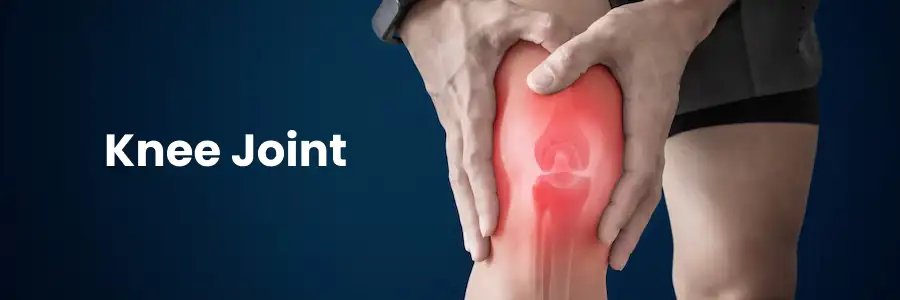
Understanding the knee joint is crucial for maintaining its health, especially if you experience knee joint pain or are looking to prevent knee injuries. The knee is one of the largest and most complex joints in the body. It connects the thigh bone (femur) to the shin bone (tibia) and includes other bones, cartilage, ligaments, and tendons that help it function smoothly.
Anatomy of the Knee Joint
The knee joint is a hinge joint, which means it allows the leg to bend and straighten. Here’s a breakdown of its main components:
Bones
- Femur (Thigh Bone): The longest bone in the body that connects to the hip and the knee.
- Tibia (Shin Bone): The larger and stronger of the two lower leg bones.
- Patella (Kneecap): A small bone in front of the knee joint that protects it and improves leverage.
Get a second opinion from trusted experts and makeconfident, informed decisions.
Get Second OpinionNot sure where to start?
Talk to a patient care advisor — free, confidential, 24/7. We'll match you to the right specialist and book your appointment in minutes.
Cartilage
Cartilage is a smooth tissue that covers the ends of bones in a joint. In the knee, there are two types of cartilage:
- Articular Cartilage: This type covers the ends of the femur and tibia, allowing them to glide smoothly against each other.
- Meniscus: These are two crescent-shaped discs that act as shock absorbers between the femur and tibia.
Ligaments
Ligaments are strong bands of tissue that connect bones to each other. The knee has four main ligaments:
- Anterior Cruciate Ligament (ACL): Prevents the tibia from sliding out in front of the femur.
- Posterior Cruciate Ligament (PCL): Prevents the tibia from sliding backward under the femur.
- Medial Collateral Ligament (MCL): Provides stability to the inner knee.
- Lateral Collateral Ligament (LCL): Provides stability to the outer knee.
Tendons
Tendons connect muscles to bones. The main tendon in the knee is the patellar tendon, which connects the kneecap to the tibia.
Functions of the Knee Joint
The knee joint's main functions are to allow movement and provide stability. Here are some key functions:
Movement
The knee allows for two primary movements:
- Flexion: Bending the knee.
- Extension: Straightening the knee.
These movements are essential for everyday activities such as walking, running, and jumping.
Stability
The knee provides stability to the leg, helping you maintain balance. The ligaments and meniscus play crucial roles in stabilizing the knee, especially during movement.
Common Knee Joint Issues
Knee problems are common and can affect people of all ages. Here are some typical knee issues:
Knee Joint Pain
Pain in the knee can be due to various reasons, such as overuse, injuries, or medical conditions like arthritis. Knee joint pain can range from mild to severe and may affect your ability to perform daily activities.
Knee Joint Injury Symptoms
Injuries to the knee can lead to symptoms such as:
- Swelling
- Stiffness
- Redness
- Warmth
- Weakness or instability
- Popping or crunching noises
- Inability to fully straighten the knee
Knee Joint Swelling
Swelling in the knee can result from an injury or an underlying condition. It’s essential to identify the cause of the swelling to treat it effectively.
Knee Joint Replacement
In severe cases where the knee joint is damaged beyond repair, a knee joint replacement might be necessary. This surgical procedure involves replacing the damaged parts of the knee with artificial components.
Knee Joint Exercises
Regular exercise can help maintain knee health and prevent injuries. Here are some exercises that can strengthen the knee joint:
Quadriceps Strengthening
- Straight Leg Raises: Lie on your back and lift one leg at a time, keeping it straight. Hold for a few seconds and lower it back down.
- Quad Sets: Sit with your leg extended and tighten your thigh muscle. Hold for a few seconds and release.
Hamstring Strengthening
- Hamstring Curls: Stand and bend one knee, bringing your heel toward your buttocks. Hold for a few seconds and lower it back down.
- Bridges: Lie on your back with your knees bent and feet flat on the floor. Lift your hips toward the ceiling and hold for a few seconds before lowering back down.
Flexibility Exercises
- Hamstring Stretch: Sit on the floor with one leg extended. Reach toward your toes and hold the stretch for 20-30 seconds.
- Calf Stretch: Stand facing a wall with one foot in front of the other. Keep your back leg straight and press your heel into the ground.
Your health is everything - prioritize your well-being today.
Schedule Your AppointmentPreventing Knee Joint Issues
Taking care of your knees can prevent many common issues. Here are some tips:
- Maintain a Healthy Weight: Excess weight can put extra stress on your knees.
- Stay Active: Regular exercise can strengthen the muscles around your knees.
- Wear Proper Footwear: Shoes with good support can reduce the risk of knee injuries.
- Warm Up and Stretch: Before exercising, make sure to warm up and stretch to prepare your knees for activity.
- Listen to Your Body: Avoid overdoing activities that cause knee pain.
Conclusion
Understanding knee joint anatomy and function is essential for maintaining knee health and preventing injuries. By learning about the components of the knee, recognizing common issues, and practicing knee-strengthening exercises, you can keep your knees healthy and functional.
Whether you’re dealing with knee joint pain or looking to prevent future problems, taking proactive steps can make a significant difference in your overall well-being.
Frequently Asked Questions
The knee joint comprises bones (femur, tibia, and patella), cartilage, ligaments, and tendons.
The knee joint acts as a hinge, allowing for flexion and extension while providing stability during weight-bearing activities.
Common injuries include ACL tears, meniscus tears, and ligament sprains, often resulting from sports or accidents.
Strengthening the muscles around the knee, maintaining a healthy weight, and using proper techniques in sports can help prevent injuries.
If knee pain persists for more than a few days, worsens, or is accompanied by swelling or instability, it’s advisable to consult a doctor.
- Cardiology
- Case Studies
- Dermatology
- Endocrinology
- ENT
- Fertility
- Gastroenterology
- General
- General-Medicine
- Gynecology
- Hematology
- Infectious-Diseases
- Medical News
- Neurology
- Oncology
- Ophthalmology
- Orthopedics
- Pediatrics
- Procedure
- Public-Health
- Pulmonology
- Radiology
- Second Opinion
- Urology
- Wellness
- Woman-and-child
Related Blogs
Still have questions? Speak with our experts now!
040-68334455


