 Call
Call Patient Reports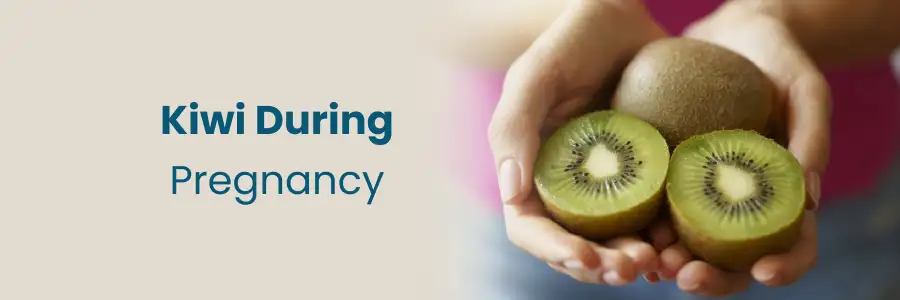
- 3759
- 3.5 Minutes
Kiwi During Pregnancy: Nutritional Superfruit for Expecting Mothers
Maintaining a healthy diet during pregnancy is vital for the well being of both mother and baby. One fruit that often flies under the radar but offers incredible health benefits is kiwi. If you are wondering about the safety and advantages of eating kiwi during pregnancy, you are in for a pleasant surprise.
This article explores how kiwi in pregnancy can benefit maternal health, fetal development and even help manage common pregnancy symptoms. Let's understand why this tangy, green fruit deserves a place in your pregnancy diet.
Is It Safe to Eat Kiwi During Pregnancy?
Yes, absolutely! Eating kiwi during pregnancy is safe for most women. It is highly recommended by nutritionists due to its rich vitamin and mineral content. Unless you are allergic to kiwi or advised against it by your doctor, it can be a regular part of your prenatal diet.
Kiwi is low in calories, rich in essential nutrients and naturally hydrating making it one of the most beneficial fruits for pregnant women.
Get a second opinion from trusted experts and makeconfident, informed decisions.
Get Second OpinionNot sure where to start?
Talk to a patient care advisor — free, confidential, 24/7. We'll match you to the right specialist and book your appointment in minutes.
Nutritional Profile of Kiwi Fruit
Kiwi is often referred to as a nutrient dense fruit. Just one medium sized kiwi contains:
- Vitamin C - Strengthens immunity and supports tissue repair
- Folate - Crucial for fetal neural development
- Fiber - Aids in digestion and prevents constipation
- Potassium - Maintains fluid balance and supports heart health
- Vitamin K - Essential for blood clotting
- Antioxidants - Help fight cell damage and inflammation
These nutrients play a key role in managing many of the changes your body undergoes during pregnancy.
Top Benefits of Kiwi During Pregnancy
Let's take a detailed look at the benefits of kiwi during pregnancy:
1. Supports Immune Health
Pregnancy can sometimes lower your immunity, making you more prone to infections. Kiwi, rich in vitamin C helps strengthen your immune system and keep infections at bay.
2. Enhances Iron Absorption
Many pregnant women suffer from iron deficiency. The vitamin C in kiwi helps improve iron absorption from plant-based foods, lowering the risk of anaemia.
3. Aids Digestion and Relieves Constipation
Constipation is a common issue during pregnancy. The fiber in kiwi improves bowel movement, supports gut health and reduces bloating.
4. Promotes Fetal Brain and Spine Development
Folate also known as vitamin B9 is crucial for the development of the baby's brain and spinal cord. Kiwi is naturally rich in folate and helps prevent neural tube defects.
5. Regulates Blood Pressure
Thanks to its potassium content, kiwi helps regulate blood pressure levels, reducing the risk of preeclampsia and heart related issues during pregnancy.
6. Supports Skin and Tissue Health
Vitamin C in kiwi aids collagen production, which helps your skin stay elastic as it stretches during pregnancy. It also helps in faster tissue repair.
When and How to Eat Kiwi During Pregnancy
You can eat kiwi during pregnancy throughout all three trimesters. It's best consumed fresh, and you can include it in:
- Smoothies with banana or spinach
- Fruit salads paired with strawberries and grapes
- Breakfast bowls with oats or yogurt
- Mid-morning or evening snacks
Pro tip: Wash kiwi thoroughly before eating. The skin is edible and contains fiber, but you may peel it if you prefer.
Are There Any Risks of Eating Kiwi While Pregnant?
Although kiwi is safe for most, there are a few exceptions:
- Allergic Reactions: Some people may be allergic to kiwi, especially those with latex allergies. Signs include swelling, itchiness or tingling in the mouth.
- Acidic Reactions: Kiwi has natural enzymes (actinidin) that can cause mouth irritation or acidity in some people if consumed in large quantities.
If you experience discomfort or symptoms of an allergy. Consult your doctor immediately.
How Many Kiwis Can You Eat in a Day?
One to two medium sized kiwis per day is considered safe and beneficial during pregnancy. Moderation is key to avoiding acidity or sugar spikes, especially if you have gestational diabetes.
Additionally, kiwi is rich in dietary fiber, which helps regulate blood sugar levels and supports digestive health. Its low glycemic index makes it a suitable fruit for expectant mothers, even those monitoring glucose.
However, it is always best to consult your gynecologist or a dietitian before adding kiwi to your daily pregnancy diet, especially if you have allergies or sensitive digestion.
Kiwi vs Other Fruits During Pregnancy
While kiwi is nutrient rich, it is great to combine it with other healthy fruits during pregnancy like:
- Bananas - For energy and potassium
- Apples - High in fiber and hydration
- Oranges - Excellent source of folate and vitamin C
- Berries - Packed with antioxidants
Mixing a variety of fruits helps you get a well rounded nutrient intake.
What Makes Kiwi a Superfruit for Pregnancy?
Unlike many other fruits, kiwi offers a unique combination of antioxidants, enzymes, vitamins and minerals that actively support pregnancy wellness. It addresses common concerns like:
- Tiredness and fatigue
- Digestive discomfort
- Skin stretch and elasticity
- Fetal brain development
This makes it more than just a fruit. It is practically a prenatal powerhouse.
Your health is everything - prioritize your well-being today.
Schedule Your AppointmentConclusion
Incorporating kiwi during pregnancy is an easy tasty and powerful way to enhance your prenatal nutrition. Whether you are eating it raw, blending it into a smoothie, or adding it to your breakfast, kiwi supports both your body and your baby's development.
Just remember:
- Always wash kiwi before eating
- Check for allergies
- Eat in moderation
- Consult your healthcare provider if unsure.
Adding this vibrant green fruit to your pregnancy diet is a small step that brings big benefits.
Frequently Asked Questions
Yes, kiwi during pregnancy's first trimester provides essential folate, which supports neural tube development in the baby.
Yes, kiwi is rich in fiber and natural enzymes that help improve digestion and relieve constipation during pregnancy.
Some women may experience allergic reactions to kiwi during pregnancy. If you notice itching, swelling, or tingling, consult a doctor immediately.
Eating kiwi on an empty stomach during pregnancy is safe and may help boost metabolism and improve digestion.
Kiwi has a low glycemic index and may be suitable during gestational diabetes, but always consult your doctor for personalized advice.
- Cardiology
- Case Studies
- Dermatology
- Endocrinology
- ENT
- Fertility
- Gastroenterology
- General
- General-Medicine
- Gynecology
- Hematology
- Infectious-Diseases
- Medical News
- Neurology
- Oncology
- Ophthalmology
- Orthopedics
- Pediatrics
- Procedure
- Public-Health
- Pulmonology
- Radiology
- Second Opinion
- Urology
- Wellness
- Woman-and-child
Related Blogs
Still have questions? Speak with our experts now!
040-68334455


