 Call
Call Patient Reports
- Cardiology 84
- Dermatology 45
- Endocrinology 33
- ENT 16
- Fertility 190
- Gastroenterology 78
- General-Medicine 81
- Gynecology 80
- Hematology 19
- Infectious-Diseases 33
- Neurology 52
- Oncology 34
- Ophthalmology 23
- Orthopedics 69
- Pediatrics 31
- Procedure 23
- Public-Health 144
- Pulmonology 59
- Radiology 8
- Urology 68
- Wellness 161
- Woman-and-child 77
- 3759
- 3.5 Minute
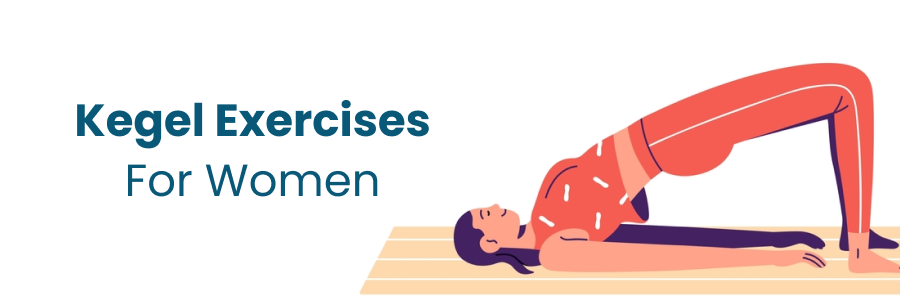
Kegel Exercises for Women
Kegel exercises, named after Dr. Arnold Kegel, who first developed them, are designed to strengthen the pelvic floor muscles. These muscles play a crucial role in supporting the bladder, uterus, small intestine, and rectum. For women, mainly, the benefits of engaging in regular Kegel exercises are extensive, ranging from improved bladder control to enhanced sexual health.
The Pelvic Floor
Before delving into the benefits of Kegel exercises, it is essential to understand the anatomy and function of the pelvic floor muscles. The pelvic floor is a group of muscles that form a sling or hammock across the pelvic opening. These muscles support the organs within the pelvis and help maintain control over the bladder and bowels.
The Importance of a Strong Pelvic Floor
A strong pelvic floor is vital for several reasons:
- Support: Provides structural support to the pelvic organs.
- Control: Maintains continence by ensuring proper function of the bladder and bowel.
- Stability: Aids in the stability of the pelvic region, which is essential for overall core strength and posture.
Get a second opinion from trusted experts and makeconfident, informed decisions.
Get Second OpinionNot sure where to start?
Talk to a patient care advisor — free, confidential, 24/7. We'll match you to the right specialist and book your appointment in minutes.
Benefits of Kegel Exercises
Improved Bladder Control
One of the most well-known benefits of Kegel exercises for women is improved bladder control. Urinary incontinence, or the involuntary leakage of urine, can result from weakened pelvic floor muscles. Kegel exercises help to strengthen these muscles, thereby reducing or eliminating instances of leakage.
How to Perform Kegel Exercises for Bladder Control
To perform Kegel exercises effectively:
- Identify the Right Muscles: The easiest way to locate your pelvic floor muscles is to try to stop urination midstream. The muscles you use are the ones you need to target.
- Perfect Your Technique: Once you have identified the muscles, contract them for three to five seconds, then relax for the same amount of time. Aim for three sets of 10 repetitions daily.
- Consistency is Key: Regular practice is essential for noticeable improvements in bladder control.
Enhanced Sexual Health
Kegel exercises also contribute to improved sexual health. A more robust pelvic floor can lead to increased sensation and stronger orgasms. Additionally, some women report enhanced sexual satisfaction due to the heightened control and strength of the pelvic muscles.
Benefits During and After Pregnancy
During Pregnancy
Pregnancy significantly strains the pelvic floor muscles. Kegel exercises during pregnancy can help maintain pelvic floor strength, which is crucial for supporting the bladder and uterus as they bear the additional weight. Moreover, pelvic solid muscles can ease the birthing process and reduce the risk of postpartum complications such as urinary incontinence and pelvic organ prolapse.
After Childbirth
Postpartum, many women experience a weakened pelvic floor due to the strain of childbirth. Kegel exercises can aid in the recovery process, helping to restore muscle tone and strength. This is particularly important for preventing long-term complications like urinary incontinence and pelvic organ prolapse.
Pelvic Floor Strengthening
Regularly practising Kegel exercises can significantly strengthen the pelvic floor muscles, which is beneficial for overall pelvic health. A strong pelvic floor supports the pelvic organs more effectively, reducing the risk of prolapse and other pelvic health issues.
Improved Bowel Control
Just as Kegel exercises improve bladder control, they also enhance bowel control. Strengthening the pelvic floor muscles helps prevent faecal incontinence and ensures better control over bowel movements.
Your health is everything - prioritize your well-being today.
Schedule Your AppointmentHow to Perform Kegel Exercises
Step-by-Step Guide
- Identify the Pelvic Floor Muscles: As mentioned earlier, the easiest way to locate these muscles is by attempting to stop urination midstream.
- Empty Your Bladder: It is advisable to perform Kegel exercises with an empty bladder to avoid any discomfort.
- Find a Comfortable Position: You can perform Kegel exercises in various positions, such as lying down, sitting, or standing.
- Contract and Relax: Tighten the pelvic floor muscles and hold the contraction for three to five seconds. Then relax for the same amount of time. Ensure you are only contracting the pelvic muscles and not the abdominal, thigh, or buttock muscles.
- Repeat: Aim for three sets of 10 repetitions daily. Gradually increase the duration of contractions as your muscles become more robust.
Tips for Effective Kegel Exercises
- Consistency: Regular practice is key to reaping the benefits of Kegel exercises. Aim to incorporate them into your daily routine.
- Avoid Overdoing It: While consistency is essential, avoid overworking the muscles, which can lead to fatigue and strain.
- Stay Relaxed: Ensure you are not holding your breath or tensing other muscles while performing Kegel exercises.
Conclusion
Whether you are pregnant, postpartum, or simply looking to improve your pelvic health, incorporating Kegel exercises into your daily routine can make a significant difference.
Frequently Asked Questions
Kegel exercises strengthen the pelvic floor, improve bladder control, and enhance sexual health.
Tighten the pelvic floor muscles for a few seconds, then relax. Repeat this multiple times daily.
Yes, they can strengthen pelvic muscles, helping with childbirth and postpartum recovery.
Women can start at any time, but it’s especially beneficial during pregnancy and postpartum.
Yes, they help restore pelvic strength and address urinary incontinence after childbirth.
- Cardiology
- Case Studies
- Dermatology
- Endocrinology
- ENT
- Fertility
- Gastroenterology
- General
- General-Medicine
- Gynecology
- Hematology
- Infectious-Diseases
- Medical News
- Neurology
- Oncology
- Ophthalmology
- Orthopedics
- Pediatrics
- Procedure
- Public-Health
- Pulmonology
- Radiology
- Second Opinion
- Urology
- Wellness
- Woman-and-child
Related Blogs
Still have questions? Speak with our experts now!
040-68334455


