 Call
Call Patient Reports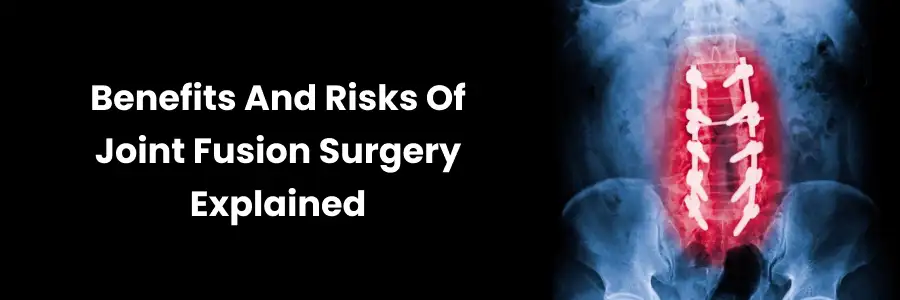
- 3759
- 3.5 Minute
Joint Fusion Surgery: Pros and Cons
Are you struggling with chronic joint pain that limits your daily activities? Do simple tasks like walking or climbing stairs cause excruciating discomfort? If so, you may have considered joint fusion surgery as a potential solution to alleviate your pain and improve your quality of life.
Joint fusion surgery, also known as arthrodesis, is a procedure aimed at stabilizing and relieving pain in a damaged joint by fusing the bones together. This article will delve into the various aspects of joint fusion surgery, including its benefits, risks, recovery time, alternatives, and the potential for pain relief.
Get a second opinion from trusted experts and makeconfident, informed decisions.
Get Second OpinionNot sure where to start?
Talk to a patient care advisor — free, confidential, 24/7. We'll match you to the right specialist and book your appointment in minutes.
Benefits of Joint Fusion Surgery
Joint fusion surgery offers several benefits for individuals suffering from severe joint pain and instability. Some of the key advantages include:
- Significant pain relief: By eliminating movement in the affected joint, fusion surgery can alleviate chronic pain and discomfort.
- Improved joint stabilization: Fusion of the joint can enhance stability, allowing for better weight-bearing and reducing the risk of further damage.
- Long-term durability: Fused joints are known to be durable and can provide lasting relief compared to other treatment options.
These benefits make joint fusion surgery a viable option for individuals looking to regain mobility and reduce pain in their daily lives.
Risks Associated with the Arthrodesis Procedure
While joint fusion surgery offers promising benefits, it is essential to be aware of the potential risks and complications that may arise. Some of the risks associated with the arthrodesis procedure include:
- Nonunion: In some cases, the bones may fail to fuse properly, leading to a condition known as nonunion, which may require additional surgery.
- Reduced range of motion: Fusion of the joint restricts movement, which can impact certain activities and may require adaptation.
- Potential for infection: As with any surgical procedure, there is a risk of infection at the surgical site, which may require antibiotic treatment.
Understanding these risks and discussing them with your healthcare provider is crucial in making an informed decision about undergoing joint fusion surgery.
Recovery Time for Joint Fusion Surgery
The recovery time for joint fusion surgery can vary depending on several factors, including the specific joint involved, individual healing abilities, and adherence to post-surgery therapy. In general, the recovery process may involve:
- Immobilization: Patients may need to wear a cast or brace to immobilize the fused joint and promote proper healing.
- Physical therapy: Rehabilitation exercises are often recommended to restore strength, flexibility, and function in the affected joint.
- Gradual return to activities: Patients are typically advised to gradually resume activities to prevent complications and ensure successful recovery.
Following the recommended recovery guidelines and attending follow-up appointments are essential for a smooth recovery after joint fusion surgery.
Considering Alternatives to Joint Fusion Surgery
While joint fusion surgery can be effective for certain individuals, it is not the only option available for treating joint pain and instability. Some alternatives to consider include:
- joint replacement surgery: In cases where joint damage is severe, joint replacement may offer a more comprehensive solution.
- Physical therapy: Non-surgical approaches like physical therapy and pain management techniques can help improve joint function and reduce discomfort.
- Injections: Corticosteroid or hyaluronic acid injections may provide temporary relief for joint pain and inflammation.
Discussing these alternatives with your healthcare provider can help determine the most suitable treatment approach for your specific condition.
Pain Relief with Joint Fusion
One of the primary goals of joint fusion surgery is to provide effective pain relief for individuals suffering from chronic joint pain. By stabilizing the joint and eliminating movement-induced discomfort, fusion surgery can significantly reduce pain levels and improve overall quality of life.
While the recovery process may involve some discomfort initially, many patients experience a significant reduction in pain and an improvement in mobility following successful joint fusion surgery.
Your health is everything - prioritize your well-being today.
Schedule Your AppointmentIn Conclusion
Joint fusion surgery offers a promising solution for individuals struggling with severe joint pain and instability. By understanding the benefits, risks, recovery process, alternatives, and potential for pain relief associated with this procedure, patients can make informed decisions about their treatment options. Consulting with a healthcare provider to discuss the suitability of joint fusion surgery based on individual needs and preferences is crucial for achieving optimal outcomes in managing joint conditions.
Frequently Asked Questions
Yes, joint fusion eliminates movement in the fused joint, but it can reduce pain and improve overall function by stabilizing the area.
Pain is common after surgery but is managed with medications. Discomfort decreases as the bone heals and the joint stabilizes.
Commonly fused joints include the spine, ankle, wrist, fingers, and sometimes the knee or hip in severe arthritis cases.
Joint fusion surgery is typically recommended for individuals with severe joint pain and instability that significantly impacts daily activities.
Follow your doctor’s instructions, maintain a healthy weight, stop smoking, and arrange for post-surgery assistance and mobility aids.
- Cardiology
- Case Studies
- Dermatology
- Endocrinology
- ENT
- Fertility
- Gastroenterology
- General
- General-Medicine
- Gynecology
- Hematology
- Infectious-Diseases
- Medical News
- Neurology
- Oncology
- Ophthalmology
- Orthopedics
- Pediatrics
- Procedure
- Public-Health
- Pulmonology
- Radiology
- Second Opinion
- Urology
- Wellness
- Woman-and-child
Related Blogs
Still have questions? Speak with our experts now!
040-68334455


