 Call
Call Patient Reports
- Cardiology 84
- Dermatology 45
- Endocrinology 33
- ENT 16
- Fertility 190
- Gastroenterology 78
- General-Medicine 81
- Gynecology 80
- Hematology 19
- Infectious-Diseases 33
- Neurology 52
- Oncology 34
- Ophthalmology 23
- Orthopedics 69
- Pediatrics 31
- Procedure 23
- Public-Health 144
- Pulmonology 59
- Radiology 8
- Urology 68
- Wellness 161
- Woman-and-child 77
- 3759
- 3.5 Minute
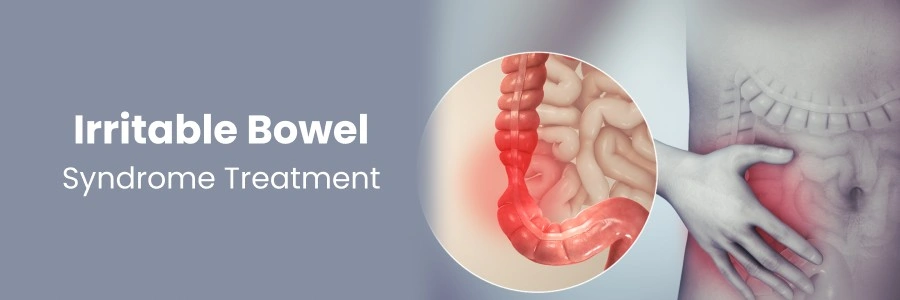
Irritable Bowel Syndrome Treatment at Medicover, Begumpet
Irritable Bowel Syndrome (IBS) is a common gastrointestinal disorder that affects millions of people worldwide. Characterized by symptoms like abdominal pain, bloating, and altered bowel habits, IBS can significantly impact the quality of life. At Medicover, Begumpet, we offer a comprehensive approach to IBS treatment that includes dietary changes, medication, probiotics, and stress management. Our goal is to provide personalized care tailored to each patient's unique needs.
Get a second opinion from trusted experts and makeconfident, informed decisions.
Get Second OpinionNot sure where to start?
Talk to a patient care advisor — free, confidential, 24/7. We'll match you to the right specialist and book your appointment in minutes.
Understanding IBS: A Brief Overview
Irritable Bowel Syndrome is a functional gastrointestinal disorder, which means that the symptoms are not due to any visible structural abnormalities. Instead, IBS is often linked to issues with how the brain and gut interact, leading to a range of symptoms.
Common Symptoms of IBS
Symptoms of IBS can vary widely but generally include:
- Abdominal pain and cramping
- Bloating and gas
- Diarrhea
- Constipation
- Urgency to have a bowel movement
- Mucus in the stool
Types of IBS
IBS is typically classified into three types based on the predominant bowel habit:
- IBS with constipation (IBS-C)
- IBS with diarrhea (IBS-D)
- IBS with mixed bowel habits (IBS-M)
Understanding the type of IBS a patient has is crucial for tailoring the treatment plan effectively.
IBS Treatment Options at Medicover, Begumpet
Dietary Changes for IBS
Diet plays a significant role in managing IBS symptoms. At Medicover, Begumpet, our dietitians work closely with patients to develop customized dietary plans. Some of the common nutritional changes for IBS include:
- Low FODMAP Diet: This diet involves reducing foods that are high in fermentable oligosaccharides, disaccharides, monosaccharides, and polyols, which can cause bloating and gas.
- High-Fiber Diet: For those with IBS-C, increasing fiber intake can help regulate bowel movements. However, it's essential to introduce fiber gradually to avoid worsening symptoms.
- Avoiding Trigger Foods: Identifying and avoiding foods that trigger symptoms, such as caffeine, alcohol, and fatty foods, can provide relief.
Medications for IBS Relief
Medications can be a practical part of IBS treatment, especially for managing specific symptoms. At Medicover, Begumpet, we offer a range of medication options, including:
- Antispasmodics: These help reduce abdominal pain and cramping by relaxing the muscles of the gut.
- Laxatives: For those with IBS-C, laxatives can help relieve constipation.
- Antidiarrheal Medications: These are useful for managing diarrhea in IBS-D patients.
- Antidepressants: Low doses of certain antidepressants can help manage pain and other symptoms by affecting neurotransmitters that control gut function.
Probiotics for Irritable Bowel Syndrome
Probiotics are beneficial bacteria that can help improve gut health. Research suggests that they can also reduce IBS symptoms such as bloating and gas. At Medicover, Begumpet, we recommend specific probiotic strains known to be beneficial for IBS patients.
Stress Management for IBS
Stress is a known trigger for IBS symptoms. Our holistic approach at Medicover, Begumpet includes stress management techniques such as:
- Cognitive Behavioral Therapy (CBT): This form of therapy helps patients manage their stress and anxiety, which can, in turn, reduce IBS symptoms.
- Mindfulness and Meditation: These practices can help patients become more aware of their body's responses to stress and learn to manage them better.
- Exercise: Regular physical activity can help reduce stress and improve overall gut health.
Gut Health and IBS
Maintaining good gut health is crucial for managing IBS. This involves a combination of diet, probiotics, and lifestyle changes. At Medicover, Begumpet, we focus on a holistic approach to gut health, which includes:
- Balanced Diet: Ensuring a diet rich in diverse nutrients to support gut flora.
- Hydration: Drinking enough water to help with digestion and bowel movements.
- Regular Check-ups: Monitoring gut health through regular medical check-ups and screenings.
Personalized Treatment Plans
At Medicover, Begumpet, we understand that IBS affects each individual differently. Our approach to treatment is highly personalized, taking into account the specific symptoms, triggers, and lifestyle of each patient.
Initial Consultation and Diagnosis
The first step in our treatment process is a thorough consultation and diagnosis. This may involve:
- Medical History Review: Understanding the patient's medical history and symptoms.
- Physical Examination: Conducting a physical exam to rule out other conditions.
- Diagnostic Tests: Tests such as blood tests, stool tests, and colonoscopy are utilized to confirm the diagnosis.
Developing a Tailored Treatment Plan
Based on the initial consultation and diagnosis, our team of specialists collaborates to develop a tailored treatment plan. This plan may include a combination of dietary changes, medications, probiotics, and stress management techniques.
Ongoing Support and Monitoring
We believe in providing ongoing support and monitoring to our patients. Regular follow-up appointments allow us to track progress, adjust the treatment plan as needed, and provide additional support as needed.
Your health is everything - prioritize your well-being today.
Schedule Your AppointmentConclusion
At Medicover, Begumpet, we are committed to providing comprehensive and personalized treatment for IBS. Our multidisciplinary approach, which includes dietary changes, medications, probiotics, stress management, and gut health maintenance, ensures that our patients receive the best possible care. If you or a loved one is struggling with IBS, we invite you to schedule a consultation with our expert team and take the first step towards better health.
Frequently Asked Questions
Probiotics may help with IBS symptoms by improving gut flora. We can recommend specific probiotic strains and dosages based on your symptoms and response to treatment.
For severe IBS symptoms, we may use a combination of medications, specialized diets, and advanced therapies. We monitor your condition closely and adjust treatment as needed.
If symptoms do not improve, contact us for a reassessment. We may need to modify your treatment plan, explore additional therapies, or investigate other potential causes of your symptoms.
Treatment options include dietary changes, medications, stress management, and lifestyle modifications. We create personalized treatment plans based on your specific symptoms and needs.
Follow-up appointments depend on your symptoms and treatment progress. We typically recommend regular check-ups to monitor your response to treatment and make necessary adjustments.
- Cardiology
- Case Studies
- Dermatology
- Endocrinology
- ENT
- Fertility
- Gastroenterology
- General
- General-Medicine
- Gynecology
- Hematology
- Infectious-Diseases
- Medical News
- Neurology
- Oncology
- Ophthalmology
- Orthopedics
- Pediatrics
- Procedure
- Public-Health
- Pulmonology
- Radiology
- Second Opinion
- Urology
- Wellness
- Woman-and-child
Related Blogs
Still have questions? Speak with our experts now!
040-68334455


