 Call
Call Patient Reports
- Cardiology 84
- Dermatology 45
- Endocrinology 33
- ENT 16
- Fertility 190
- Gastroenterology 78
- General-Medicine 81
- Gynecology 80
- Hematology 19
- Infectious-Diseases 33
- Neurology 52
- Oncology 34
- Ophthalmology 23
- Orthopedics 69
- Pediatrics 31
- Procedure 23
- Public-Health 144
- Pulmonology 59
- Radiology 8
- Urology 68
- Wellness 161
- Woman-and-child 77
- 3759
- 3.5 Minute
How to Stop a Cavity from Getting Worse
Cavities are not only a source of discomfort but also a significant threat to oral health if left untreated. While visiting your dentist regularly is crucial, there are proactive steps you can take to halt the progression of cavities. This guide delves into strategies and tips for managing early-stage cavities and preventing them from worsening.
Get a second opinion from trusted experts and makeconfident, informed decisions.
Get Second OpinionNot sure where to start?
Talk to a patient care advisor — free, confidential, 24/7. We'll match you to the right specialist and book your appointment in minutes.
Understanding Cavities and Their Progression
What is a Cavity?
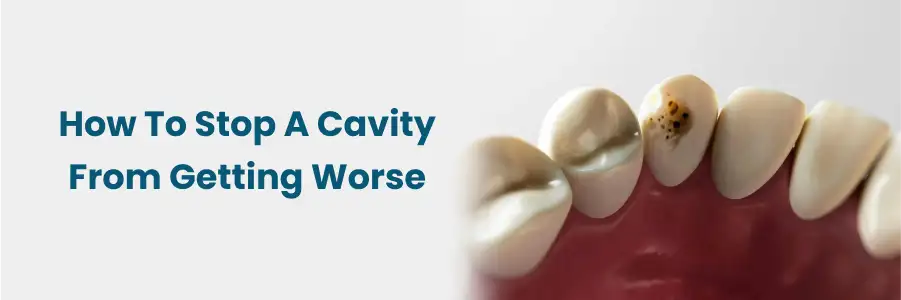
A cavity, also known as dental caries, is a permanently damaged area in the hard surface of your teeth that develops into tiny openings or holes. Cavities are caused by a combination of factors, including bacteria in the mouth, frequent snacking, sipping sugary drinks, and inadequate cleaning of teeth.
How Cavities Develop
Cavities begin with the demineralization of the enamel, the outermost layer of the tooth. If not addressed, the decay can penetrate deeper into the dentin and eventually reach the pulp, leading to severe pain and potential tooth loss. The progression can be rapid if preventive measures are not taken.
Cavity Prevention Tips
Maintain Excellent Oral Hygiene
Proper oral hygiene is the cornerstone of cavity prevention. Brushing twice daily with fluoride toothpaste, flossing regularly, and using an antiseptic mouthwash can significantly reduce the risk of cavities. Fluoride helps to remineralize the enamel, making it more resistant to acid attacks from plaque bacteria and sugars in the mouth.
Adopt a Healthy Diet
A balanced diet not only contributes to overall health but also plays a pivotal role in oral health. Limit the intake of sugary and acidic foods and beverages, as they can accelerate the decay process. Incorporate foods rich in calcium, phosphorus, and vitamins A, D, and K, which are essential for maintaining strong teeth.
Regular Dental Check-ups
Routine dental visits are essential for detecting cavities in their early stages. Professional cleanings remove plaque and tartar that regular brushing and flossing might miss. Your dentist can also apply sealants and fluoride treatments to protect your teeth from decay.
Managing Early-Stage Cavities
Remineralization Techniques
Remineralization can reverse the damage at the initial stage of cavity development. This involves using fluoride treatments, calcium, and phosphate-based products to help restore the minerals in the enamel. Your dentist may recommend specific remineralizing agents or prescription-strength fluoride.
Dental Sealants
Dental sealants are protective coatings applied to the chewing surfaces of the back teeth (molars), where decay occurs most often. They act as a barrier, protecting enamel from plaque and acids. Sealants can last several years and are particularly beneficial for children and teenagers.
Home Remedies for Cavities
Oil Pulling
Oil pulling is an ancient practice that involves swishing oil (typically coconut oil) in your mouth for about 10-20 minutes. This practice is believed to reduce harmful bacteria, plaque, and inflammation in the mouth. While not a substitute for traditional dental care, it can be a supplementary measure to improve oral health.
Clove Oil
Clove oil has traditionally been used for its analgesic and antibacterial properties. Applying a small amount to the affected area can help alleviate pain and reduce the bacterial load in the cavity.
Aloe Vera
Aloe vera is known for its antibacterial properties and can help fight the bacteria responsible for cavities. Applying aloe vera gel to the cavity can help inhibit the growth of these bacteria and may aid in slowing down the progression of the cavity.
Stopping Cavity Deterioration
Use of Fluoride
Fluoride is a mineral that strengthens tooth enamel and makes it more resistant to decay. Using fluoride toothpaste and mouthwash and receiving fluoride treatments from your dentist can help prevent cavities from progressing.
Chewing Sugar-Free Gum
Chewing sugar-free gum, significantly those containing xylitol, can stimulate saliva production. Saliva is a natural defense against tooth decay as it helps to wash away food particles and neutralize acids in the mouth.
Hydration
Keeping yourself well-hydrated is essential for maintaining saliva production. Saliva plays a crucial role in protecting teeth from decay by neutralizing acids and providing vital minerals in enamel repair.
Treating Cavities Before They Worsen
Dental Fillings
Suppose a cavity has progressed beyond the initial stage of demineralization. In that case, your dentist will need to remove the decayed portion of the tooth and fill it with a material such as amalgam, composite resin, or gold. This procedure restores the tooth’s integrity and prevents further decay.
Root Canal Therapy
When decay reaches the pulp of the tooth, a root canal may be necessary. This procedure involves removing the infected pulp, cleaning the inside of the tooth, and sealing it to prevent reinfection. Root canal therapy can save a severely decayed tooth from extraction.
Preventing Cavity Progression
Avoid Frequent Snacking
Frequent snacking, especially on sugary or acidic foods, can increase the risk of cavities. Each time you eat, the bacteria in your mouth produce acids that can erode tooth enamel. Limit snacks between meals and opt for healthier options like fruits and vegetables.
Use Dental Products Containing Xylitol
Xylitol is a sugar alcohol that inhibits the growth of cavity-causing bacteria. Incorporating xylitol-containing products, such as toothpaste, mouthwash, and chewing gum, into your oral care routine can help reduce the risk of cavities.
Consider Dental Sealants and Fluoride Treatments
As mentioned earlier, dental sealants and professional fluoride treatments are effective preventive measures. Discuss with your dentist whether these options are suitable for you or your children.
Your health is everything - prioritize your well-being today.
Schedule Your AppointmentConclusion
Preventing and managing cavities requires a proactive and comprehensive approach. By maintaining excellent oral hygiene, adopting a healthy diet, and utilizing preventive measures such as fluoride treatments and dental sealants, you can significantly reduce the risk of cavities. Additionally, incorporating home remedies and staying vigilant with regular dental check-ups will help ensure that cavities do not progress to more severe stages. Taking these steps can preserve your oral health and prevent the discomfort and complications associated with advanced tooth decay.
Frequently Asked Questions
Brush twice daily with fluoride toothpaste, floss regularly, and use mouthwash. Visit the dentist for fluoride treatments and fillings.
Yes, limiting sugary and acidic foods and drinks can slow cavity progression by reducing plaque-causing bacteria in the mouth.
Rinsing with saltwater, chewing sugar-free gum, and applying fluoride gels or toothpaste can slow cavity growth temporarily.
You should see a dentist as soon as you notice symptoms like tooth sensitivity or pain to prevent further damage.
Yes, fillings, crowns, and in severe cases, root canals or extractions are permanent solutions to prevent the cavity from worsening.
- Cardiology
- Case Studies
- Dermatology
- Endocrinology
- ENT
- Fertility
- Gastroenterology
- General
- General-Medicine
- Gynecology
- Hematology
- Infectious-Diseases
- Medical News
- Neurology
- Oncology
- Ophthalmology
- Orthopedics
- Pediatrics
- Procedure
- Public-Health
- Pulmonology
- Radiology
- Second Opinion
- Urology
- Wellness
- Woman-and-child
Related Blogs
Still have questions? Speak with our experts now!
040-68334455


