 Call
Call Patient Reports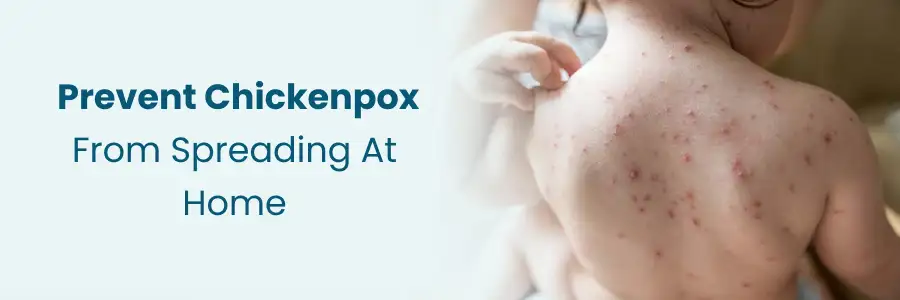
- 3759
- 3.5 Minute
Written by Medicover Team and Medically Reviewed by Dr M N Lakshmikanth Reddy, General Medicine
How to Prevent Chickenpox from Spreading at Home
Chickenpox is an illness caused by the chickenpox virus called varicella-zoster. It spreads easily, especially among children. Although many kids now get vaccinated against it, outbreaks can still happen. That's why it is important to know how to stop chickenpox from spreading at home.
This guide provides practical steps to minimize transmission and protect your household, especially those who are immunocompromised or unvaccinated.
Understanding How Chickenpox Spreads
Chickenpox spreads easily through:
- Direct Contact: Touching the fluid from chickenpox blisters.
- Airborne Transmission: Breathing in virus-laden droplets from an infected person's cough or sneeze.
- Indirect Contact: Taking care of dirty items such as bed sheets or clothes that may be contaminated (e.g., washing the clothes of a smallpox patient is similar to handling contaminated laundry).
A person with chickenpox can spread the virus to others starting 1 to 2 days before they show any rash and until all of the spots have dried up and formed scabs.
Get a second opinion from trusted experts and makeconfident, informed decisions.
Get Second OpinionNot sure where to start?
Talk to a patient care advisor — free, confidential, 24/7. We'll match you to the right specialist and book your appointment in minutes.
Ways to Prevent Chickenpox from Spreading
Chickenpox in adults can be more severe than in children, making prevention and care even more important. If someone in your home has chickenpox, take steps to stop the virus from spreading.
1. Isolation at Home
Keep the person with chickenpox in a separate, airy room. Avoid close contact and don't share personal items. Stay isolated until all blisters dry and scab.
2. Hygiene Measures
- Frequent Handwashing: Wash hands regularly with soap and water, especially after touching the infected person or their belongings.
- Disinfection: Clean and disinfect frequently-touched surfaces like doorknobs and bathroom fixtures.
- Laundry Care: Wash the infected person's clothing, bedding and towels separately using hot water and detergent.
3. Use of Personal Protective Equipment (PPE)
Caregivers should wear masks and gloves to minimize direct contact with virus-laden fluids and reduce the risk of airborne transmission.
4. Limiting Visitors
Prevent the virus from spreading beyond your home by restricting visitors. Inform friends and family of the situation and ask them to postpone their visits until the infection is no longer contagious.
5. Boosting Immunity and Health
- Nutrition: A balanced diet supports a strong immune system. Provide plenty of fruits, vegetables, lean proteins and whole grains.
- Adequate Rest: Ensure everyone gets enough sleep to help maintain immune health.
- Hydration: Make sure to drink lots of fluids to help stay healthy and support your immune system.
6. Vaccination and Medical Help
- Chickenpox Vaccine: The varicella chickenpox vaccine price may vary, but it's highly effective in preventing chickenpox or reducing its severity. It is usually administered in two doses.
- Post-Exposure Prophylaxis: If exposed and unvaccinated, consult a healthcare provider about post exposure prophylaxis. The vaccine can prevent or lessen the severity of chickenpox if given within three to five days of exposure.
- Antiviral Medications/medication for chickenpox: For people who are at high risk, doctors might recommend antiviral medicines like acyclovir, to help reduce how serious the illness is and to shorten the time they are sick.
Complications of Chickenpox
While chickenpox is usually mild, it can cause serious problems, especially in certain people. Possible complications include:
- Skin infections
- Pneumonia (lung infection)
- Brain swelling (encephalitis)
- Dehydration
- Serious infections in newborns or pregnant women
If you notice any of these signs, it is important to get medical help right away.
Special Care for High-Risk People
- Immunocompromised Individuals: Extra precautions are needed, including strict isolation and enhanced hygiene practices.
- Pregnant Women: Immediate consultation with a healthcare provider is crucial if exposed to chickenpox. Immunoglobulin treatment may be recommended to reduce complications.
Handling Contaminated Items
- Toys and Personal Items: Disinfect toys and personal items using a bleach solution or commercial disinfectant.
- Shared Spaces: Limit use of shared spaces and disinfect these areas thoroughly after the infected person's use.
Signs and Symptoms of Chickenpox
These are also common symptoms of chickenpox in adults, though adults may experience them more severely. The rash usually appears in waves and all stages, spots, blisters and scabs, can be seen at the same time. Symptoms typically last about 7 to 10 days.
Seek Medical Advice
If you think someone has chickenpox, it's important to talk to a doctor, especially if the person is a baby, pregnant, elderly, or has a weak immune system. You should also seek help if the rash spreads quickly, looks worse or if there is a high fever that doesn't go down. Early treatment can help control symptoms and prevent serious problems.
Your health is everything - prioritize your well-being today.
Schedule Your AppointmentHow to Prevent Chickenpox
Preventing chickenpox from spreading at home involves isolation, rigorous hygiene, use of PPE and maintaining overall health. Vaccination remains the most effective preventive measure, and post-exposure prophylaxis can help unvaccinated individuals. Special care is needed for high-risk groups to minimize risk and protect everyone in your home.
Frequently Asked Questions
To prevent chickenpox from spreading at home, isolate the infected person, maintain good hygiene, disinfect commonly touched surfaces, and avoid close contact with others, especially those who are unvaccinated or at higher risk.
Keep the room well-ventilated, clean surfaces daily and wash bedding regularly. Disinfect items they frequently touch.
Yes, lukewarm baths with baking soda or oatmeal can soothe itching. Gently pat the skin dry afterward.
Scratching the blisters can lead to scars. Keep nails trimmed and discourage scratching to reduce this risk.
Soft, cool foods like yogurt, bananas, khichdi or dal rice are soothing, especially if there are mouth sores.
Chickenpox and smallpox are both caused by viruses, but they are not the same. Smallpox was a serious disease with deep, painful sores and has been wiped out worldwide. Chickenpox is much milder, causes red, itchy spots with blisters and still happens, mostly in children.
- Cardiology
- Case Studies
- Dermatology
- Endocrinology
- ENT
- Fertility
- Gastroenterology
- General
- General-Medicine
- Gynecology
- Hematology
- Infectious-Diseases
- Medical News
- Neurology
- Oncology
- Ophthalmology
- Orthopedics
- Pediatrics
- Procedure
- Public-Health
- Pulmonology
- Radiology
- Second Opinion
- Urology
- Wellness
- Woman-and-child
Related Blogs
Still have questions? Speak with our experts now!
040-68334455


