 Call
Call Patient Reports
- Cardiology 84
- Dermatology 45
- Endocrinology 33
- ENT 16
- Fertility 190
- Gastroenterology 78
- General-Medicine 81
- Gynecology 80
- Hematology 19
- Infectious-Diseases 33
- Neurology 52
- Oncology 34
- Ophthalmology 23
- Orthopedics 69
- Pediatrics 31
- Procedure 23
- Public-Health 144
- Pulmonology 59
- Radiology 8
- Urology 68
- Wellness 161
- Woman-and-child 77
- 3759
- 3.5 Minute
Managing the Symptoms of Hormonal Acne After Menopause
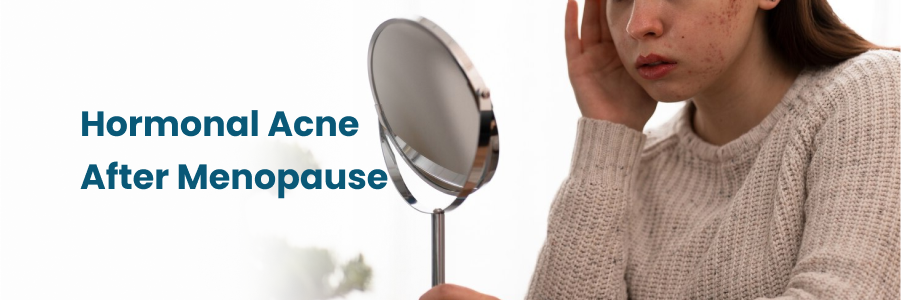
Navigating the changes that come with menopause can be challenging, and dealing with hormonal acne is one of the many adjustments some women face. Hormonal acne after menopause is not uncommon, and understanding how to manage it can make a significant difference in your quality of life.
In this article, we'll explore the causes of hormonal acne after menopause, effective treatments, and practical tips to help you manage and reduce your symptoms.
What Causes Hormonal Acne After Menopause?
Menopause brings about a significant shift in hormone levels, particularly a decrease in estrogen and an increase in androgens. This hormonal imbalance can trigger acne in women who may not have experienced it since their teenage years.
The Role of Androgens
Androgens are male hormones present in both men and women. After menopause, the relative increase in androgens can stimulate the sebaceous glands in the skin to produce more oil (sebum). Excess sebum can clog pores and lead to acne.
Other Contributing Factors
Several other factors can contribute to postmenopausal acne, including:
- Stress: Increased stress levels can exacerbate acne by triggering the release of cortisol, a stress hormone that can influence sebaceous gland activity.
- Diet: Certain foods, especially those high in refined sugars and dairy products, can contribute to acne flare-ups.
- Medications: Some medications prescribed during menopause can have side effects that include acne.
- Skin Care Products: Using products that are not suitable for your skin type can also lead to breakouts.
Get a second opinion from trusted experts and makeconfident, informed decisions.
Get Second OpinionNot sure where to start?
Talk to a patient care advisor — free, confidential, 24/7. We'll match you to the right specialist and book your appointment in minutes.
Effective Treatments for Hormonal Acne After Menopause
Managing acne after menopause requires a comprehensive approach, including lifestyle changes, topical treatments, and possibly medications.
Topical Treatments
Topical treatments are often the first line of defense against acne. Common options include:
- Retinoids: These vitamin A derivatives help to unclog pores and reduce inflammation. They can be found in over-the-counter products or stronger prescription versions.
- Benzoyl Peroxide: This ingredient helps to kill acne-causing bacteria and reduce inflammation.
- Salicylic Acid: A beta hydroxy acid that helps to exfoliate the skin and keep pores clear.
Oral Medications
In some cases, oral medications may be necessary to manage hormonal acne:
- Hormone Replacement Therapy (HRT): HRT can help to balance hormone levels and reduce acne symptoms. However, it is essential to discuss the risks and benefits with your doctor.
- Oral Contraceptives: Birth control pills can help to regulate hormones and reduce acne.
- Spironolactone: This medication helps to reduce androgen levels and is often used to treat hormonal acne.
Lifestyle Changes
In addition to medical treatments, lifestyle changes can play a significant role in managing acne symptoms:
- Diet: Eating a balanced diet rich in fruits, vegetables, and whole grains can help to reduce acne. Avoiding high-sugar and high-dairy foods may also be beneficial.
- Stress Management: Practicing stress-reducing techniques such as yoga, meditation, or deep-breathing exercises can help to keep acne at bay.
- Proper Skin Care: Using gentle, non-comedogenic (non-pore-clogging) skin care products can help to prevent breakouts. Be sure to cleanse your face twice a day and avoid harsh scrubbing.
Practical Tips for Managing Hormonal Acne
Stay Consistent with Your Skin Care Routine
Consistency is key when it comes to managing acne. Stick to a routine that includes cleansing, treating, and moisturizing your skin daily. Avoid switching products frequently, as this can irritate your skin.
Avoid Picking or Squeezing Pimples
While it may be tempting, picking or squeezing pimples can lead to scarring and further inflammation. Instead, use acne treatments and allow them to work over time.
Use Sunscreen Daily
Sun exposure can worsen acne and lead to hyperpigmentation (dark spots). Use a broad-spectrum sunscreen with at least SPF 30 every day to protect your skin.
Stay Hydrated
Drinking plenty of water helps to keep your skin hydrated and can improve its overall health. Aim to drink at least eight glasses of water a day.
Your health is everything - prioritize your well-being today.
Schedule Your AppointmentWhen to See a Dermatologist
If your acne is severe or not responding to over-the-counter treatments, it may be time to see a dermatologist. A dermatologist can provide personalized treatment options and help you develop a plan to manage your acne effectively.
What to Expect During a Dermatology Visit
During your visit, your dermatologist will likely:
- Assess Your Skin: They will examine your skin to determine the type and severity of your acne.
- Review Your Medical History: Be prepared to discuss your medical history, including any medications you are taking and any previous skin issues.
- Recommend Treatments: Based on their assessment, they may recommend topical or oral medications, lifestyle changes, or other treatments.
Conclusion
Managing hormonal acne after menopause can be challenging, but with the right approach, it is possible to reduce symptoms and improve your skin's health. By understanding the causes of hormonal acne, using effective treatments, and making lifestyle changes, you can take control of your skin and feel more confident.
Remember, consistency is key, and if you need additional help, don't hesitate to consult with a dermatologist. With patience and the right care, you can manage hormonal acne and enjoy healthier, clearer skin.
Frequently Asked Questions
Hormonal fluctuations, particularly a decrease in estrogen, can lead to an imbalance in oil production.
Yes, hormonal acne is often deeper and cystic, typically linked to hormonal changes.
Treatments include topical retinoids, hormonal therapies, and lifestyle changes.
Yes, options like tea tree oil and dietary adjustments may help.
If acne persists or worsens despite home treatment, consulting a dermatologist is advisable.
- Cardiology
- Case Studies
- Dermatology
- Endocrinology
- ENT
- Fertility
- Gastroenterology
- General
- General-Medicine
- Gynecology
- Hematology
- Infectious-Diseases
- Medical News
- Neurology
- Oncology
- Ophthalmology
- Orthopedics
- Pediatrics
- Procedure
- Public-Health
- Pulmonology
- Radiology
- Second Opinion
- Urology
- Wellness
- Woman-and-child
Related Blogs
Still have questions? Speak with our experts now!
040-68334455


