 Call
Call Patient Reports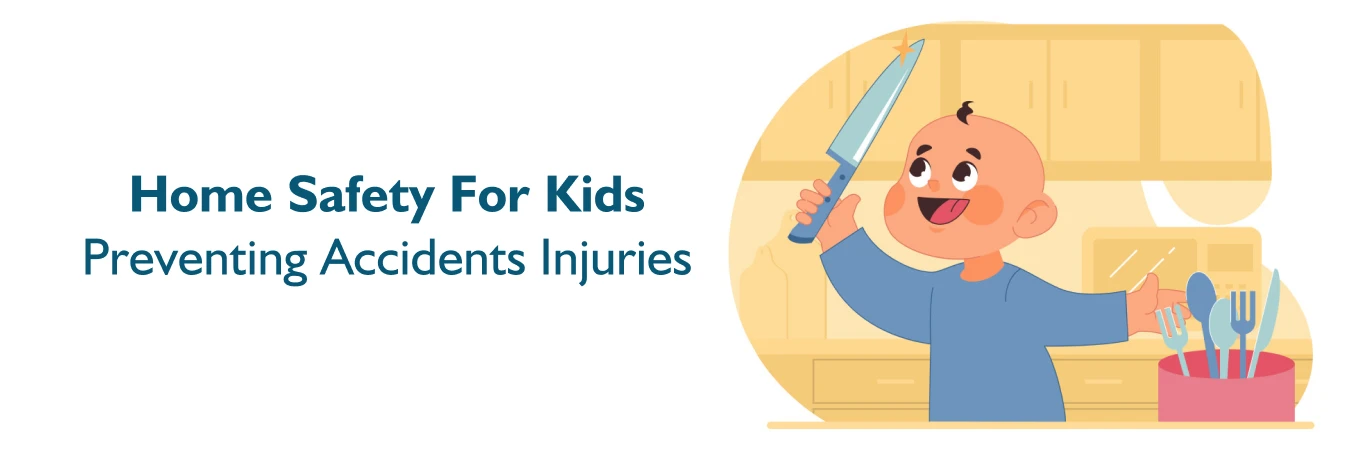
- 3624
- 3.5 Minute
Written by Medicover Team and Medically Reviewed by Dr Manjusha Padamata
Safety at Home for Kids: Essential Tips Every Parent Should Know
As parents, caregivers, or protectors, our primary job is keeping kids safe and healthy. Home is where kids spend lots of time, so it should be a safe place to learn, play, and explore. In this blog, we'll learn important things to make your home safe and cosy for kids. This way, we can lower the chances of accidents and ouchies.
Childproofing Your Place
Making your home kid-safe is the first step. Imagine you're a kid and look around to find things that could be risky. Cover up electrical outlets, keep heavy items from tipping over, and use gates to block stairs and no-go zones. Use soft guards on pointy furniture edges, and ensure stuff like cleaning things and medicine is locked away.
Get a second opinion from trusted experts and makeconfident, informed decisions.
Get Second OpinionNot sure where to start?
Talk to a patient care advisor — free, confidential, 24/7. We'll match you to the right specialist and book your appointment in minutes.
Safety in the Kitchen
Kitchens can be busy, but they can also be tricky for kids. Keep sharp things like knives and scissors out of reach, and use unique covers on stove knobs so kids can't turn them on. Put cleaning stuff and chemicals up high or in locked cupboards. When you cook, use the back burners and turn the pot handles away from the edge to stop spills.
Being Careful in the Bathroom
Bathrooms can be slippery and not so safe. Put non-slip mats in the tub and bathroom floor to stop slips. Lock away stuff like medicine, makeup, and soap. Always watch little ones during bath time and ensure the water isn't too hot.
Windows and Blinds Safety
Windows and blinds can be tricky for curious kids. Add special guards or locks to stop windows from opening too wide. Blinds without cords are better to prevent kids from getting tangled. Keep things away from windows to keep kids from climbing.
Fire and Electricity Safety
Teach kids about fire and electricity. Put smoke detectors on every floor of your home and make sure they work. Teach kids the "Stop, Drop, and Roll" trick if their clothes catch fire. Keep matches, lighters, and candles out of reach, and never leave lit candles alone.
Avoiding Poison Problems
Lock up cleaning things, medicine, vitamins, and other things that might be harmful. Please keep them in their original bottles with special lids to stop kids from getting into them. Know the number for Poison Control and what to do if a kid swallows something they shouldn't.
Safe Play with Toys
Check toys often for small parts that kids might swallow, sharp edges, or broken pieces. Use toys that are okay for your kid's age. Avoid toys with strings or cords that could be dangerous. And make sure outside toys are safe and in good shape.
Making Furniture and Things Safe
Ensure heavy stuff like bookshelves and dressers are attached to the wall so they can't tip over. Hide electrical cords and plugs so kids can't mess with them. Unplug things when they're not being used and tuck away cords.
Ready for First Aid
Get a good first aid kit and learn how to use it. Know how to help with minor cuts, bruises, and burns. Keep significant phone numbers, such as the doctor and Poison Control, where you can find them quickly.
Teaching Kids to Be Safe
Besides keeping things safe, teach kids about safety rules. Tell them about the dangers of running indoors, playing near streets, or bothering animals they don't know. Show them how to use 911 if there's a big problem and practice what to do in different emergencies.
Your health is everything - prioritize your well-being today.
Schedule Your AppointmentConclusion
Your home should be a safe place where kids can grow, play, and learn without worrying about getting hurt. When you're careful about what's around and teach kids about safety, you help make your home the best place for them. It would be best if you always thought about making sure kids are safe, but knowing you're keeping them from getting hurt is worth it. A safe home is a happy home for everyone!
Frequently Asked Questions
Common hazards include sharp objects, electrical outlets, cleaning supplies, stairs, and hot surfaces. These dangers often go unnoticed until an accident occurs. It’s crucial to identify and secure these areas to ensure complete safety at home for kids.
Childproofing should begin as early as 4–6 months, when babies start crawling and exploring. This is the stage when they are most curious but least aware of dangers. Early preparation reduces risks as your child becomes more mobile and adventurous.
Use simple language and positive reinforcement to explain what’s safe and what’s not. Turn safety lessons into fun activities or stories so they remember them better. It’s about building awareness, not anxiety.
Safety cameras can be helpful, especially for infants and toddlers in another room. They provide peace of mind and allow you to respond quickly if needed. However, they should complement—not replace—active supervision and safety measures.
Keep sharp utensils, hot liquids, and cleaning products out of reach or locked away. Use stove knob covers, back burners for cooking, and secure cabinets. The kitchen should be off-limits during cooking unless you're directly supervising.
Teach children basic emergency responses like how to dial emergency numbers and recognize smoke or gas leaks. Keep a first-aid kit, fire extinguisher, and emergency contact list in easy-to-access areas. Regular drills help kids stay calm during real events.
While many smart toys are fun and educational, they can pose privacy or choking hazards. Always check age-appropriateness, parental controls, and keep small parts away from young children. Supervised use is the key to safe tech play at home.
- Cardiology
- Case Studies
- Dermatology
- Endocrinology
- ENT
- Fertility
- Gastroenterology
- General
- General-Medicine
- Gynecology
- Hematology
- Infectious-Diseases
- Medical News
- Neurology
- Oncology
- Ophthalmology
- Orthopedics
- Pediatrics
- Procedure
- Public-Health
- Pulmonology
- Radiology
- Second Opinion
- Urology
- Wellness
- Woman-and-child
Related Blogs
Still have questions? Speak with our experts now!
040-68334455


