 Call
Call Patient Reports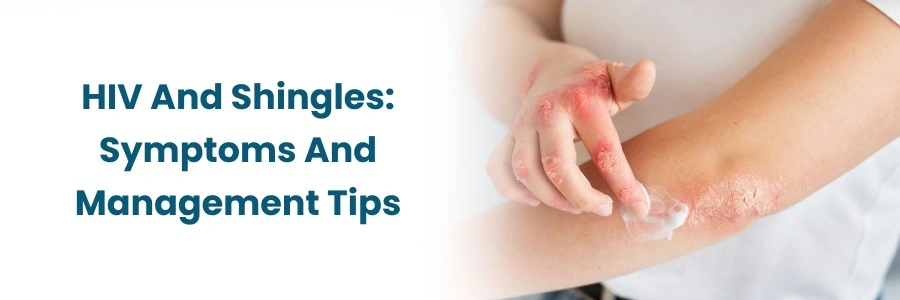
- 3759
- 3.5 Minute
HIV and Shingles: Symptoms & Management
Are you living with HIV and worried about shingles outbreaks? The combination of HIV and shingles can be challenging to manage, impacting your daily activities and overall quality of life. Understanding how these conditions intersect and affect each other is crucial for effective management. Let's explore the symptoms of shingles in HIV patients and discover practical tips to cope with this dual challenge.
Get a second opinion from trusted experts and makeconfident, informed decisions.
Get Second OpinionNot sure where to start?
Talk to a patient care advisor — free, confidential, 24/7. We'll match you to the right specialist and book your appointment in minutes.
HIV and Immune System Complications
Individuals with HIV are more susceptible to various infections due to the virus's impact on the immune system. When HIV weakens the immune system, it becomes less effective at fighting off pathogens like the varicella-zoster virus, which causes shingles. This increased vulnerability can lead to more frequent and severe shingles outbreaks in HIV patients.
Additionally, the presence of HIV can complicate the management of shingles. The weakened immune response may result in prolonged or atypical presentations of shingles symptoms, requiring tailored treatment approaches to address the unique challenges faced by individuals with HIV.
Shingles Outbreaks in HIV Patients
Shingles, also known as herpes zoster, manifests as a painful rash that typically appears on one side of the body. In HIV patients, shingles outbreaks can be more frequent and severe due to the compromised immune system. The reactivation of the varicella-zoster virus, which remains dormant in the body after an initial chickenpox infection, can occur when the immune system is weakened, leading to shingles development.
Common symptoms of shingles in HIV patients include:
- Pain, burning, or tingling sensation
- Rash or blisters
- itching
- fever and chills
- Headache
Managing shingles outbreaks in HIV patients requires a comprehensive approach that addresses both the viral infection and the underlying HIV condition. Prompt recognition of symptoms and early intervention are crucial to prevent complications and promote recovery.
Treatment for Shingles with HIV
When managing shingles in individuals with HIV, healthcare providers may recommend antiviral medications to reduce the severity and duration of the outbreak. These medications can help control the replication of the varicella-zoster virus and alleviate symptoms such as pain and discomfort.
In addition to antiviral therapy, pain management strategies, including over-the-counter or prescription pain relievers, may be prescribed to help individuals cope with the discomfort associated with shingles. Topical treatments and anticonvulsant medications can also be used to manage nerve pain commonly seen in shingles cases.
It is essential for individuals with HIV and shingles to follow their healthcare provider's recommendations carefully and attend follow-up appointments to monitor their progress and adjust treatment as needed.
HIV Medications and Shingles Risk
Some medications used to manage HIV can impact the risk of developing shingles. While antiretroviral therapy (ART) is effective in controlling HIV and strengthening the immune system, certain medications within the ART regimen may increase the risk of shingles reactivation.
Individuals taking HIV medications should discuss their shingles risk with their healthcare provider and explore strategies to minimize this risk. Regular monitoring and proactive management of both HIV and shingles are essential for maintaining overall health and well-being.
Preventing Shingles in HIV Patients
Preventive measures can help reduce the risk of shingles in individuals living with HIV. Vaccination against shingles, such as the shingles vaccine, can be beneficial in preventing or reducing the severity of shingles outbreaks. However, it is essential to consult healthcare providers before receiving any vaccines to ensure they are safe and appropriate for individuals with HIV.
Moreover, maintaining a healthy lifestyle, including proper nutrition, regular exercise, and stress management, can support the immune system's function and reduce the likelihood of shingles reactivation. Adequate rest and stress reduction techniques can also contribute to overall immune system health and resilience.
Your health is everything - prioritize your well-being today.
Schedule Your AppointmentConclusion
In conclusion, the intersection of HIV and shingles poses unique challenges for individuals living with these conditions. Understanding the symptoms of shingles in HIV patients and implementing effective management strategies are essential for maintaining health and well-being. By addressing the impact of HIV on the immune system and taking proactive steps to prevent and manage shingles outbreaks, individuals can navigate this dual challenge with resilience and confidence.
Frequently Asked Questions
Yes, individuals with HIV are more likely to develop shingles because their immune system is compromised. The varicella-zoster virus, which causes shingles, stays dormant in nerve cells and can reactivate when immunity is weakened, making HIV-positive individuals more vulnerable.
Shingles occurs when the varicella-zoster virus reactivates, often due to a weakened immune system. HIV lowers immune defenses, increasing the risk of shingles outbreaks, which may be more severe and prolonged compared to those in people with healthy immune function.
Yes, shingles can be more severe in HIV patients, leading to widespread skin lesions, prolonged pain (postherpetic neuralgia), and a higher risk of complications like bacterial infections or neurological issues. If left untreated, it can also indicate a significant decline in immune function.
Not necessarily, but frequent or severe shingles outbreaks in an HIV-positive person may suggest a weakened immune system. If shingles occur repeatedly or become widespread, it could indicate a drop in CD4 count, requiring further medical assessment.
A weakened immune system allows the varicella-zoster virus to reactivate more easily and cause more severe outbreaks. In people with HIV, shingles can be recurrent, take longer to heal, and have a higher risk of complications, making antiviral treatment crucial for management.
- Cardiology
- Case Studies
- Dermatology
- Endocrinology
- ENT
- Fertility
- Gastroenterology
- General
- General-Medicine
- Gynecology
- Hematology
- Infectious-Diseases
- Medical News
- Neurology
- Oncology
- Ophthalmology
- Orthopedics
- Pediatrics
- Procedure
- Public-Health
- Pulmonology
- Radiology
- Second Opinion
- Urology
- Wellness
- Woman-and-child
Related Blogs
Still have questions? Speak with our experts now!
040-68334455


