 Call
Call Patient Reports
- Cardiology 84
- Dermatology 45
- Endocrinology 33
- ENT 16
- Fertility 190
- Gastroenterology 78
- General-Medicine 81
- Gynecology 80
- Hematology 19
- Infectious-Diseases 33
- Neurology 52
- Oncology 34
- Ophthalmology 23
- Orthopedics 69
- Pediatrics 31
- Procedure 23
- Public-Health 144
- Pulmonology 59
- Radiology 8
- Urology 68
- Wellness 161
- Woman-and-child 77
- 3759
- 3.5 Minute
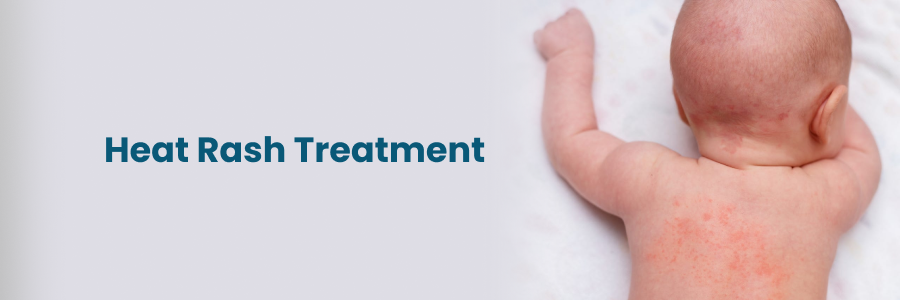
Heat Rash Treatment
Heat rash, also known as miliaria, is a common condition that occurs when sweat becomes trapped under the skin. It manifests as red, itchy, and sometimes painful bumps on the skin. Heat rash is more prevalent in hot and humid conditions and can affect individuals of all ages, including adults and babies. This article will explore effective heat rash treatments for adults, at-home remedies, and specific therapies for sensitive areas such as the face and babies.
Understanding Heat Rash
Heat rash occurs when sweat ducts become blocked, trapping perspiration beneath the skin. This can result from excessive sweating, tight clothing, or prolonged exposure to heat and humidity. The condition is typically self-limiting and resolves once the skin cools and the sweat ducts clear. However, severe cases may require medical intervention.
Get a second opinion from trusted experts and makeconfident, informed decisions.
Get Second OpinionNot sure where to start?
Talk to a patient care advisor — free, confidential, 24/7. We'll match you to the right specialist and book your appointment in minutes.
Types of Heat Rash
There are three main types of heat rash:
- Miliaria Crystallina: The mildest form, characterized by clear, fluid-filled blisters that break easily.
- Miliaria Rubra: Also known as prickly heat, it presents as red bumps and causes an itching or prickling sensation.
- Miliaria Profunda: The least common form, it results in flesh-coloured, firm bumps and can be pretty uncomfortable.
Understanding the type of heat rash is crucial for selecting the appropriate treatment.
General Heat Rash Treatment Strategies
Effective heat rash treatment involves several strategies aimed at reducing sweating, cooling the skin, and preventing infection. Here are some general recommendations:
- Cooling the Skin: Move to a cooler environment, use fans or air conditioning, and take cool showers to reduce skin temperature.
- Keeping the Skin Dry: Wear loose, breathable clothing made from natural fibers like cotton. Avoid tight-fitting clothes that can trap sweat.
- Avoiding Further Irritation: Refrain from scratching or rubbing the affected area to prevent infection and further irritation.
Heat Rash Treatment for Adults
Heat rash treatment in adults involves several specific measures tailored to alleviate symptoms and prevent recurrence.
Topical Treatments
- Calamine Lotion: Calamine lotion can soothe itching and provide a cooling effect.
- Hydrocortisone Cream: A mild corticosteroid cream can reduce inflammation and itching.
- Antihistamine Creams: These can help alleviate itching and discomfort.
Oral Medications
- Antihistamines: Oral antihistamines like diphenhydramine can help reduce itching and facilitate sleep if the rash is particularly bothersome at night.
- Nonsteroidal Anti-Inflammatory Drugs (NSAIDs): Medications like ibuprofen can help reduce inflammation and pain associated with heat rash.
Preventive Measures
- Stay Hydrated: Drink plenty of water to help regulate body temperature and reduce sweating.
- Avoid Heavy Exercise: Limit strenuous activities during hot weather to reduce sweating.
Heat Rash Treatment at Home
Home remedies for heat rash can be effective in managing mild to moderate cases.
Cool Compresses
- Cold Water Compress: Apply a cold, damp cloth to the affected area for 10-15 minutes several times a day to reduce itching and inflammation.
- Aloe Vera Gel: Aloe vera has anti-inflammatory properties and can be applied to the rash to soothe the skin.
Natural Remedies
- Oatmeal Baths: Adding colloidal oatmeal to a lukewarm bath can help relieve itching and soothe irritated skin.
- Baking Soda: A baking soda paste made with water can be applied to the rash to reduce itching and inflammation.
Hygiene Practices
- Frequent Showers: Take cool showers to remove sweat and keep the skin clean.
- Gentle Cleansing: Use mild, fragrance-free soaps to avoid further irritation.
Heat Rash Treatment on Face
Treating heat rash on the face requires special care due to the sensitivity of facial skin.
Gentle Cleansing
- Mild Facial Cleansers: Use gentle, non-comedogenic cleansers to clean the face without clogging pores.
- Avoid Heavy Makeup: Refrain from using heavy makeup or skincare products that can trap sweat and exacerbate the rash.
Topical Treatments
- Calamine Lotion: Apply calamine lotion sparingly to the affected areas to reduce itching.
- Aloe Vera Gel: Aloe vera can be safely used on the face to soothe irritated skin.
Sun Protection
- Sunscreen: Use a non-comedogenic, broad-spectrum sunscreen to protect the skin from further irritation due to sun exposure.
Heat Rash Treatment for Babies
Babies are particularly susceptible to heat rash due to their underdeveloped sweat glands. Treating heat rash in infants requires gentle, baby-safe measures.
Keeping the Baby Cool
- Relaxed Environment: Keep the baby in a cool, well-ventilated area to prevent overheating.
- Light Clothing: Dress the baby in loose, light clothing made from breathable fabrics.
Gentle Skin Care
- Oatmeal Baths: Add a small amount of colloidal oatmeal to the baby's bathwater to soothe the skin.
- Diaper-Free Time: Allow the baby to spend some time without a diaper to let the skin breathe.
Safe Topical Treatments
- Calamine Lotion: Apply a small amount of calamine lotion to the affected area, avoiding the baby's face.
- Fragrance-Free Baby Powder: Use a small amount of baby powder to keep the skin dry, but avoid talc-based powders.
Your health is everything - prioritize your well-being today.
Schedule Your AppointmentWhen to Seek Medical Attention
While most cases of heat rash resolve with home care, certain situations require medical intervention:
- Severe Rash: If the rash is severe, persistent, or spreading, consult a healthcare provider.
- Signs of Infection: Seek medical attention if there are signs of infection, such as increased redness, swelling, pain, or pus.
- Fever: If the individual, especially a baby, develops a fever along with the rash, it is essential to seek medical advice.
Conclusion
Heat rash is a common condition that can cause significant discomfort, but it is generally manageable with proper care. By understanding the types of heat rash and implementing effective treatment strategies, individuals can alleviate symptoms and prevent recurrence. Whether you are treating heat rash in adults, babies, or sensitive areas like the face, the key is to keep the skin cool, dry, and free from irritation. If symptoms persist or worsen, do not hesitate to seek medical attention to ensure appropriate care.
Frequently Asked Questions
Heat rash treatment for adults may involve cooling the affected area and using topical creams.
For babies, ensure proper cooling and use gentle creams or ointments recommended by a pediatrician.
Home remedies include applying aloe vera gel or calamine lotion to soothe the rash.
Gentle cleansing and cooling the skin can help alleviate heat rash on the face.
Using antihistamines and soothing lotions can provide relief from itching and discomfort.
- Cardiology
- Case Studies
- Dermatology
- Endocrinology
- ENT
- Fertility
- Gastroenterology
- General
- General-Medicine
- Gynecology
- Hematology
- Infectious-Diseases
- Medical News
- Neurology
- Oncology
- Ophthalmology
- Orthopedics
- Pediatrics
- Procedure
- Public-Health
- Pulmonology
- Radiology
- Second Opinion
- Urology
- Wellness
- Woman-and-child
Related Blogs
Still have questions? Speak with our experts now!
040-68334455


