 Call
Call Patient Reports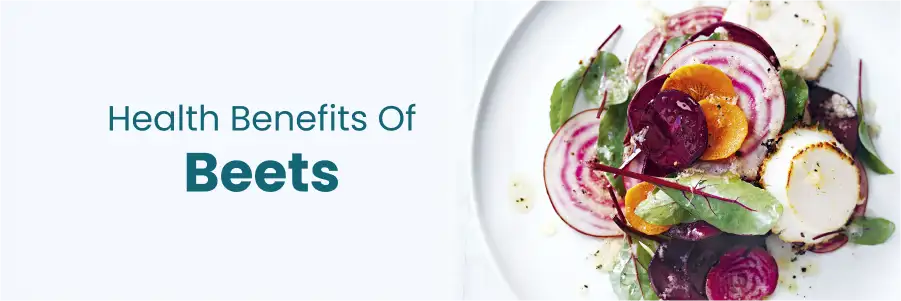
- 3759
- 3.5 Minute
Health Benefits of Beetroot
Beetroot, also known as chukandar, is a vibrant and nutrient-packed root vegetable that offers many health benefits.
Whether you roast it, juice it or toss it into salads, beetroot can play a very helpful role in supporting your overall well-being.
In this article, we'll learn about the nutritional value of beets, their health benefits and why you should consider adding them to your diet.
Nutritional Value of Beetroot:
Understanding the nutritional properties of beetroot per 100 g provides insight into why this root is so beneficial:
- Calories: 43
- Protein: 1.6 grams
- Fat: 0.2 grams
- Carbohydrates: 9.6 grams
- Fibre: 2.8 grams
- Sugar: 6.8 grams
- Vitamin C: 3.6 mg (6% of the Daily Value)
- Folate: 109 mcg (27% of the Daily Value)
- Potassium: 325 mg (9% of the Daily Value)
- Magnesium: 23 mg (6% of the Daily Value)
The nutritional benefits of beetroot make it an excellent addition to any low-calorie and high-nutrient diet.
Get a second opinion from trusted experts and makeconfident, informed decisions.
Get Second OpinionNot sure where to start?
Talk to a patient care advisor — free, confidential, 24/7. We'll match you to the right specialist and book your appointment in minutes.
Top 12 Health Benefits of Beetroot
1. Boosts Heart Health
Beets are rich in nitrates, which the body converts into nitric oxide. Nitric oxide helps relax and dilate blood vessels, improving blood flow and lowering blood pressure.
This can significantly reduce the risk of heart disease and stroke. Studies have shown that consuming beet juice can lead to a reduction in blood pressure within hours.
2. Enhances Athletic Performance
The nitrates in beets not only benefit your heart but also improve athletic performance. By increasing nitric oxide levels, beets enhance the efficiency of mitochondria, which are responsible for producing energy in your cells.
Athletes often consume beet juice to improve endurance and performance during exercise. Research indicates that beets can increase stamina and reduce the oxygen cost of physical activity.
3. Supports Brain Health
As we age, cognitive function naturally declines. However, the nitrates in beets can improve blood flow to the brain, potentially slowing down the progression of dementia and other cognitive impairments.
Enhanced blood flow ensures that your brain receives the necessary oxygen and nutrients to function optimally.
4. Fights Inflammation
Beets contain betalains, a type of phytonutrient known for their anti-inflammatory properties. Chronic inflammation is linked to various diseases, like heart disease, cancer and diabetes.
By adding beets to your diet, you can help reduce inflammation and lower the risk of these chronic conditions.
5. Can help in Digestion
Dietary fibre is essential for a healthy digestive system, and beets are an excellent source of fibre. Fibre helps regulate bowel movements, prevent constipation, and support the growth of beneficial gut bacteria.
A healthy gut microbiome is crucial for overall health, including immune function and mental well-being.
6. Supports Detoxification
Your liver plays a vital role in detoxifying your body and beets can support this process. Beets contain compounds like betaine, which help the liver break down and eliminate toxins. This detoxifying effect can improve liver function and overall health.
7. Regulates Blood Sugar Level
Beets have a medium glycemic index but are high in fibre, which helps slow sugar absorption into the bloodstream. This can aid in stabilising blood glucose levels and may reduce the risk of type 2 diabetes when eaten as part of a balanced diet.
8. Lower Risk of Heart Disease
Like their red counterparts, golden beets are rich in nitrates that help lower blood pressure and improve cardiovascular health. Consuming golden beets regularly can reduce the risk of heart disease and promote overall heart health.
9. Improved Eye Health
Golden beets are high in vitamin A, which is essential for maintaining good vision. Vitamin A helps protect the eyes from age-related macular degeneration and other vision problems. Adding golden beets to your diet can contribute to better eye health over time.
10. Enhanced Immune Function
The vitamin C content in golden beets supports a healthy immune system. Vitamin C acts as an antioxidant, protecting cells from damage and supporting the production of white blood cells, which are crucial for fighting infections.
11. Beetroot Benefits for Liver
Beetroot is a powerful detoxifier that supports liver health in multiple ways. It promotes natural detoxification, supports bile production, reduces liver inflammation and can prevent fatty liver.
12. Beetroot Benefits for Skin
Beetroot can naturally enhance your skin's glow and health due to its antioxidant properties that help fight free radicals that contribute to skin aging and dullness, improve blood circulation, help reduce acne and blemishes and hydrate and nourish skin.
Benefits of Golden Beets for Health
While red beets are the most common variety, golden beets offer similar health benefits with a slightly different nutrient profile. Golden beets are rich in vitamins A and C, as well as potassium and manganese. They also contain betalains, although in different quantities compared to red beets.
Beetroot Benefits for Females
Beetroot offers several unique benefits for women, especially related to hormones, menstruation and overall wellness:
- Supports menstrual health: Beetroot helps replenish iron lost during menstruation, reducing fatigue and weakness.
- Balances hormones naturally: It supports estrogen detoxification, especially useful during PMS or perimenopause.
- Boosts stamina and energy: The natural nitrates in beetroot enhance oxygen utilisation, which is beneficial for women with busy lifestyles or during exercise.
- Promotes fertility: Improves uterine blood flow, which may support implantation and reproductive health.
- Improves hemoglobin levels: Its iron and folate content make it helpful in preventing or managing anemia in women.
Beetroot Juice Benefits
Beetroot juice is a concentrated form of nutrition and offers quick absorption of its health-boosting compounds:
- Improves stamina and endurance, making it great for athletes and active individuals who enhance oxygen delivery and exercise performance.
- Lowers blood pressure naturally: The nitrates in beetroot juice relax blood vessels, improving circulation.
- Detoxifies the body: Helps flush out toxins via the liver and kidneys.
- Boosts brain health: May improve blood flow to the brain and reduce the risk of age-related cognitive decline.
Who Should Avoid Beetroot?
While generally safe, who should avoid beetroot?
- Those with a history of kidney stones.
- Individuals on blood-pressure-lowering medications.
- People prone to beeturia (red urine) have harmless but sometimes alarming symptoms.
- People who are Prone to allergic reactions.
Side Effects of Eating Beetroot
While beetroot is highly nutritious, excessive consumption can lead to some disadvantages:
- Beeturia:
Harmless pink or red urine after consuming beets, though it may be mistaken for blood. - Kidney stones risk:
Beetroot is high in oxalates, which may contribute to stone formation in people prone to kidney stones. - May lower blood pressure too much:
Those on blood pressure medications should monitor their intake to avoid hypotension. - Allergic reactions (rare):
Some individuals may experience itching, rashes, or gastrointestinal upset.
Beetroot Recipe Tips
Beetroot is very helpful for our health and can be added to your diet in fun and tasty ways:
- Raw salads: Grate beetroot and mix with lemon, carrots and herbs for a refreshing detox salad.
- Beetroot juice: Blend fresh beets with carrots, ginger and a splash of lemon for a powerful health drink.
- Beetroot soup: Make a warm beetroot soup with garlic, onion and spices for a comforting liver-boosting meal.
- Beetroot smoothie:
Combine beetroot with banana, yoghurt and berries for a skin-nourishing drink. - Roasted beetroot: Toss in olive oil and herbs, then roast until tender. It makes a great side dish or salad topper.
Your health is everything - prioritize your well-being today.
Schedule Your AppointmentConclusion
Beets are a versatile and nutrient-rich vegetable that offers several health benefits to your body. From improving heart health and athletic performance to supporting brain function and digestion, beets are a valuable addition to any diet.
Whether you choose red or golden beets, adding them to your meals can significantly enhance your overall well-being.
Start reaping the benefits of beets today and take a step towards a healthier lifestyle.
Frequently Asked Questions
Yes, beets support detoxification by helping the liver flush out toxins from the body, thanks to their betaine content.
Beets can help lower blood pressure due to their high nitrate content, which converts to nitric oxide in the body, relaxing blood vessels and improving blood flow.
While beets are generally safe to eat, they can cause beeturia (pink or red urine) and may contribute to kidney stones in susceptible individuals due to their oxalate content.
Beets are high in fiber, which promotes healthy digestion and regular bowel movements. They can help prevent constipation and support gut health.
Yes, beetroot can help improve blood production. It is rich in iron, folate, and vitamin C, which support red blood cell formation and prevent anemia.
Beetroot is very beneficial for females. It helps regulate blood pressure, supports hormonal balance, improves iron levels, and boosts energy, especially during menstruation or pregnancy.
Yes, beetroot offers several health benefits for men. It may enhance stamina, support heart health, improve blood flow, and even boost testosterone levels naturally.
- Cardiology
- Case Studies
- Dermatology
- Endocrinology
- ENT
- Fertility
- Gastroenterology
- General
- General-Medicine
- Gynecology
- Hematology
- Infectious-Diseases
- Medical News
- Neurology
- Oncology
- Ophthalmology
- Orthopedics
- Pediatrics
- Procedure
- Public-Health
- Pulmonology
- Radiology
- Second Opinion
- Urology
- Wellness
- Woman-and-child
Related Blogs
Still have questions? Speak with our experts now!
040-68334455


