 Call
Call Patient Reports
- Cardiology 84
- Dermatology 45
- Endocrinology 33
- ENT 16
- Fertility 190
- Gastroenterology 78
- General-Medicine 81
- Gynecology 80
- Hematology 19
- Infectious-Diseases 33
- Neurology 52
- Oncology 34
- Ophthalmology 23
- Orthopedics 69
- Pediatrics 31
- Procedure 23
- Public-Health 144
- Pulmonology 59
- Radiology 8
- Urology 68
- Wellness 161
- Woman-and-child 77
- 3759
- 3.5 Minute
Essential Handwashing Steps
Handwashing is a simple yet powerful way to prevent the spread of illnesses. Understanding and practicing proper handwashing techniques can make a significant difference in personal and public health. This guide will walk you through the essential steps for effective handwashing, when you should wash your hands, and the differences between handwashing and using hand sanitizer.
Why Handwashing is Important
Handwashing is one of the most effective ways to prevent the spread of bacteria and viruses. Germs can be transferred from surfaces to your hands and then to your eyes, nose, or mouth, leading to infections.
According to the Centers for Disease Control and Prevention (CDC), regular handwashing can prevent 1 in 3 diarrhea-related illnesses and 1 in 5 respiratory infections, such as a cold or the flu.
Get a second opinion from trusted experts and makeconfident, informed decisions.
Get Second OpinionNot sure where to start?
Talk to a patient care advisor — free, confidential, 24/7. We'll match you to the right specialist and book your appointment in minutes.
When Should You Wash Your Hands?
Knowing when to wash your hands is just as important as knowing how. Here are some key times when handwashing is crucial:
Before Activities
- Before preparing or eating food
- Before treating a wound, giving medicine, or caring for a sick person
- Before touching your face, particularly your eyes, nose, or mouth
After Activities
- After using the toilet or changing diapers
- After blowing your nose, coughing, or sneezing
- After touching garbage or dirty surfaces
- After handling pets, pet food, or pet waste
Additional Situations
- After being in a public place and touching surfaces like door handles or shopping carts
- After returning home from being outside
Proper Hand Washing Method
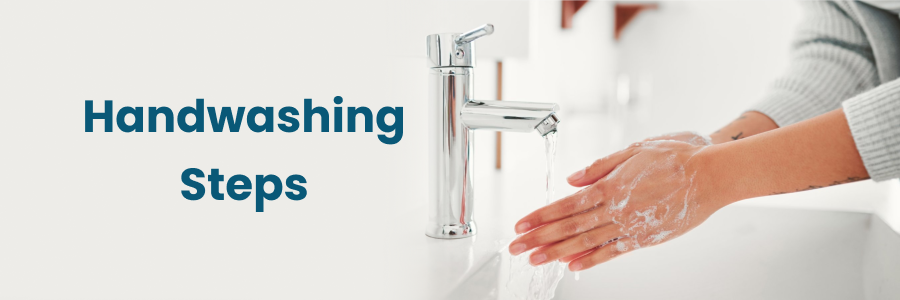
Following the correct handwashing steps ensures that you are thoroughly cleaning your hands. Here’s a step-by-step guide to effective handwashing:
Wet Your Hands
Start by wetting your hands with clean, running water. It can be warm or cold. Turn off the tap and apply soap.
Lather with Soap
Rub your hands together with the soap to create a lather. Make sure to get the back of your hands, between your fingers, and under your nails where germs can hide.
Scrub for 20 Seconds
Scrub your hands for at least 20 seconds. Need a timer? Hum the “Happy Birthday” song twice from beginning to end.
Rinse Thoroughly
Rinse your hands well under clean, running water. Make sure all the soap is washed off.
Dry Your Hands
Dry your hands using a clean towel or air dry them. Germs can transfer more easily to and from wet hands, so make sure they are fully dry.
Handwashing vs. Hand Sanitizer
Handwashing with soap and water is generally more effective at removing certain kinds of germs, like norovirus and Clostridium difficile, which cause severe diarrhea. However, when soap and water are not available, hand sanitizers with at least 60% alcohol can be a good alternative.
When to Use Hand Sanitizer?
- When soap and water are not readily available
- In public spaces where access to sinks is limited
How to Use Hand Sanitizer?
- Apply the gel product to the palm of one hand (read the label to learn the correct amount).
- Rub your hands together.
- Rub the gel over all the surfaces of your hands and fingers until your hands are dry. This should take around 20 seconds.
Handwashing for Children
Teaching children proper hand washing habits is crucial for their health and the health of those around them. Make handwashing a fun and regular part of their routine.
Tips for Teaching Handwashing to Children
- Use Fun Songs: Sing a song or set a timer for 20 seconds to make sure they scrub long enough.
- Lead by Example: Children are more likely to follow suit if they see adults washing their hands frequently.
- Make it Fun: Use colorful soaps or handwashing charts to track their progress.
Common Hand Washing Myths
Myth: Hand Sanitizer is Better Than Soap and Water
While hand sanitizer is useful, it doesn’t remove all types of germs and can be less effective if hands are visibly dirty or greasy.
Myth: Hot Water is Necessary for Effective Handwashing
Warm water is comfortable, but cold water and soap are just as effective at removing germs.
Myth: Air Dryers are More Sanitary Than Paper Towels
Both methods have their pros and cons. Paper towels can physically remove germs, while air dryers may spread germs if not used properly. The key is to dry your hands thoroughly.
Your health is everything - prioritize your well-being today.
Schedule Your AppointmentImportance of Handwashing in Public Health
Handwashing is not just a personal hygiene practice; it’s a public health necessity. By washing your hands regularly, you help prevent the spread of infections in your community, particularly in schools, workplaces, and healthcare settings.
Handwashing in Healthcare
In healthcare settings, hand hygiene is critical. Health professionals follow strict handwashing guidelines to protect themselves and their patients from infections.
Handwashing in Schools
Schools are breeding grounds for germs. Teaching children proper handwashing techniques can significantly reduce the spread of illnesses, leading to fewer sick days and a healthier learning environment.
Conclusion
Handwashing is a simple yet powerful tool in maintaining health and preventing the spread of diseases. By understanding and practicing the proper handwashing steps, knowing when to wash your hands, and teaching children these habits, you can make a significant impact on personal and public health.
Remember, clean hands save lives. Make handwashing a regular part of your routine and encourage others to do the same.
Frequently Asked Questions
Handwashing is crucial for preventing the spread of germs and maintaining good health.
The proper method involves scrubbing hands with soap and water for at least 20 seconds.
Handwashing guidelines recommend washing hands before eating and after using the restroom.
Make handwashing fun by using songs and games to engage children in proper hygiene practices.
Handwashing is more effective at removing certain types of germs compared to hand sanitizer.
- Cardiology
- Case Studies
- Dermatology
- Endocrinology
- ENT
- Fertility
- Gastroenterology
- General
- General-Medicine
- Gynecology
- Hematology
- Infectious-Diseases
- Medical News
- Neurology
- Oncology
- Ophthalmology
- Orthopedics
- Pediatrics
- Procedure
- Public-Health
- Pulmonology
- Radiology
- Second Opinion
- Urology
- Wellness
- Woman-and-child
Related Blogs
Still have questions? Speak with our experts now!
040-68334455


