 Call
Call Patient Reports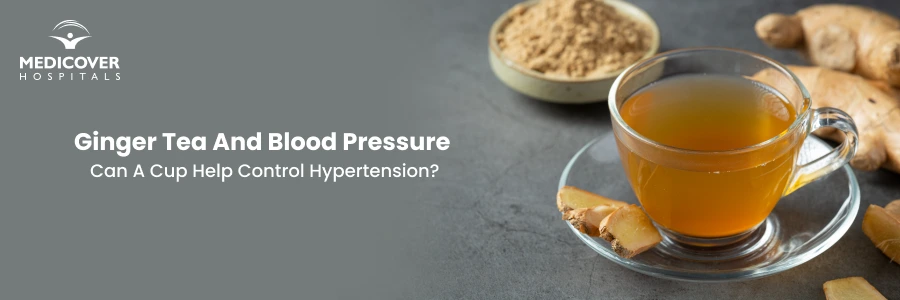
- 4000
- 3.5 Min
Ginger tea and blood pressure: can a cup help control hypertension?
Ginger (Zingiber officinale), the spicy root used in kitchens and traditional medicine worldwide, is often recommended as a natural way to support heart health. Several clinical trials and meta-analyses suggest ginger may help lower systolic and diastolic blood pressure when taken regularly at sufficient doses. Still, the evidence isn't definitive and needs careful interpretation.
How ginger might work
Active compounds in ginger (notably gingerols and shogaols) have anti-inflammatory, vasodilatory, and antioxidant effects. These mechanisms can improve blood vessel function and reduce peripheral resistance, two factors that lower blood pressure in some study participants. Animal studies and human trials both suggest plausible biological effects, which is why researchers continue to investigate ginger for its cardiovascular support.
Get a second opinion from trusted experts and makeconfident, informed decisions.
Get Second OpinionNot sure where to start?
Talk to a patient care advisor — free, confidential, 24/7. We'll match you to the right specialist and book your appointment in minutes.
What the research shows (summary)
- A 2019 meta-analysis of randomised trials found ginger supplementation produced favourable reductions in blood pressure in specific study subsets (for example, younger participants, higher doses ≥3 g/day, and shorter follow-ups). However, the authors cautioned that heterogeneity and the small number of trials limit firm conclusions.
- More recent randomised trials and systematic reviews (including studies among people with Type-2 diabetes) reported modest reductions in both systolic and diastolic blood pressure with ginger supplements. Still, results vary by dose, duration, and participant health. Larger, longer trials are still needed.
Practical takeaways, How to use ginger tea sensibly
- Ginger tea can be part of a heart-healthy routine, especially when paired with DASH-style eating, activity, and weight control. Expect modest benefits, not a replacement for prescription antihypertensive therapy.
- Dose matters. Trials that showed measurable BP effects typically used ginger extracts or powdered ginger in doses roughly in the 2–6 g/day range. A single cup of homemade ginger tea contains far less ginger than a concentrated supplement, so regular consumption or higher-dose preparations are what trials tested.
- Timing and form. Fresh-root tea, boiled decoctions, powdered capsules, or standardised extracts are used in studies; effects vary. If you prefer tea, make it consistently (for example, daily) rather than intermittently.
Safety & interactions, must-knows
- Talk to your doctor before using ginger regularly if you already take blood pressure medications. Ginger can amplify blood-pressure-lowering or interact with blood thinners because it has mild antiplatelet (aspirin-like) effects. That's important for people on warfarin, DOACs, or dual antiplatelet therapy.
- Side effects are usually mild (heartburn, stomach upset, or lightheadedness if BP drops). Very high doses (well above typical culinary use) increase the risk of bleeding or low blood pressure. Pregnant individuals should check with their clinician about safe amounts.
Your health is everything - prioritize your well-being today.
Schedule Your AppointmentConclusion
Ginger tea is a safe, pleasant beverage with promising signs that regular, adequately dosed ginger may help reduce blood pressure modestly. It should be viewed as a complementary lifestyle measure, not a substitute for prescribed antihypertensive therapy. Always consult your healthcare provider before starting regular high-dose ginger, especially if you're on blood pressure or blood-thinning medications
Frequently Asked Questions
Drinking ginger tea in the morning may help kickstart metabolism and circulation, while an evening cup can relax blood vessels and ease stress. Both times are beneficial, but avoid late-night intake if it affects your sleep.
Ginger tea is more commonly studied for high blood pressure. If you already have low blood pressure, large amounts of ginger may worsen dizziness or lightheadedness. People with hypotension should drink it in moderation and monitor symptoms.
Yes, research shows ginger may lower LDL (“bad” cholesterol) and triglycerides while improving blood flow. This dual action supports heart health, making ginger tea a natural option for people managing hypertension and cholesterol together.
Fresh ginger root contains more gingerol, the compound linked to cardiovascular benefits, while dried or powdered ginger has higher shogaol content. Both are effective, but fresh ginger tea is often preferred for its stronger antioxidant and vasodilatory properties.
Yes. Ginger blends well with hibiscus, green tea, or lemon balm, all of which are linked to improved blood pressure and heart health. Just be cautious with strong combinations if you're on blood pressure medications, as the effects may add up.
- Cardiology
- Case Studies
- Dermatology
- Endocrinology
- ENT
- Fertility
- Gastroenterology
- General
- General-Medicine
- Gynecology
- Hematology
- Infectious-Diseases
- Medical News
- Neurology
- Oncology
- Ophthalmology
- Orthopedics
- Pediatrics
- Procedure
- Public-Health
- Pulmonology
- Radiology
- Second Opinion
- Urology
- Wellness
- Woman-and-child
Related Blogs
Still have questions? Speak with our experts now!
040-68334455


