 Call
Call Patient Reports
- Cardiology 84
- Dermatology 45
- Endocrinology 33
- ENT 16
- Fertility 190
- Gastroenterology 78
- General-Medicine 81
- Gynecology 80
- Hematology 19
- Infectious-Diseases 33
- Neurology 52
- Oncology 34
- Ophthalmology 23
- Orthopedics 69
- Pediatrics 31
- Procedure 23
- Public-Health 144
- Pulmonology 59
- Radiology 8
- Urology 68
- Wellness 161
- Woman-and-child 77
- 3759
- 3.5 Minute
Recovery after Gastrointestinal Surgery: Tips and Advice
Recovering from gastrointestinal surgery is a critical phase that requires careful attention and adherence to medical advice for a smooth and rapid recovery. At Medicover Hospitals Navi Mumbai, we prioritise your digestive health and aim to support you through every step of your recovery journey. This article contains important suggestions and information to help you navigate the post-surgery period effectively.
What is Gastrointestinal Surgery?
Gastrointestinal (GI) surgery encompasses a range of procedures aimed at treating conditions affecting the digestive tract. These surgeries can address issues such as gastrointestinal cancers, inflammatory bowel diseases, hernias, and other digestive system disorders. The recuperation process can differ according to the type and extent of the surgery, but specific general guidelines can aid in a successful recovery.
Get a second opinion from trusted experts and makeconfident, informed decisions.
Get Second OpinionNot sure where to start?
Talk to a patient care advisor — free, confidential, 24/7. We'll match you to the right specialist and book your appointment in minutes.
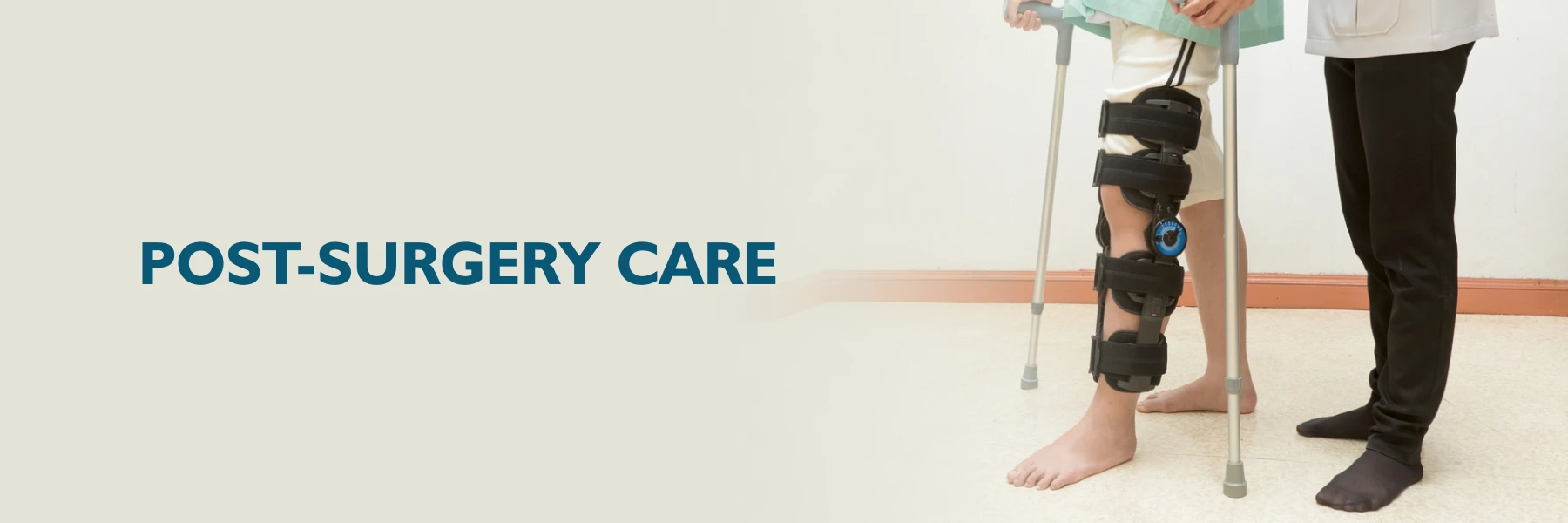
Importance of Post-Surgery Care
Post-surgery care is crucial for preventing complications, promoting healing, and maximising the surgery's benefits. At Medicover Hospitals Navi Mumbai, we emphasise the importance of following post-operative care instructions meticulously. Proper care can significantly impact overall recovery and long-term digestive health.
Immediate Post-Surgery Phase
During the immediate post-surgery phase, which typically lasts a few days, patients are closely monitored in the hospital. This phase includes pain management, monitoring vital signs, and initiating the recovery process. Here are some key points to consider:
- Pain Management: Adequate pain management is necessary for comfort and mobility. Follow your doctor's instructions regarding pain medications.
- Hydration: Staying hydrated is crucial. Intravenous fluids are often administered initially, transitioning to oral fluids as tolerated.
- Mobility: Early mobilisation can prevent complications such as blood clots. Follow the medical team's advice on when and how to start moving.
Nutrition and Diet
Proper diet is essential for successful recovery from gastrointestinal surgery. Your digestive system requires time to repair, and your food will play an important role in that process.
Initial Dietary Adjustments
In the initial days following surgery, your diet will likely be restricted to clear liquids such as broth, gelatin, and electrolyte solutions. Gradually, you will progress to a soft diet that includes easily digestible foods. Here are some dietary tips:
- Small, Frequent Meals: Eating smaller, more frequent meals may be gentler on your digestive system.
- Soft Foods: Opt for soft, bland foods such as mashed potatoes, applesauce, and yoghurt.
- Avoid Irritants: Steer clear of spicy, fatty, or acidic foods that can irritate your digestive tract.
Gradual Introduction of Solid Foods
As your recovery progresses, you can slowly reintroduce solid foods into your diet. Focus on nutrient-dense foods that support healing:
- Lean Proteins: Include sources like chicken, fish, and tofu to aid in tissue repair.
- Fruits and Vegetables: Opt for cooked or steamed vegetables and peeled fruits to ease digestion.
- Whole Grains: Incorporate entire grains like oatmeal and brown rice for added fibre.
Physical Activity and Exercise
Engaging in appropriate physical activity is essential for regaining strength and preventing complications. However, it's crucial to approach exercise cautiously and follow your medical team's recommendations.
Gradual Increase in Activity
- Short Walks: Start with short, gentle walks to improve circulation and prevent blood clots.
- Avoid Strenuous Activity: Avoid heavy lifting and severe exercise until your doctor approves.
- Breathing Exercises: Practise deep breathing exercises to expand your lungs and prevent respiratory complications.
Long-Term Exercise Goals
As you continue to recover, gradually increase the intensity and duration of your physical activities. Regular exercise can boost general health and aid with recuperation.
Monitoring and Follow-Up Care
Regular monitoring and follow-up appointments with your healthcare provider. teams are essential to ensure a smooth recovery. These appointments allow your doctors to track Monitor your progress, resolve any concerns, and change your recovery plan as needed.
Signs to Watch For
While most recoveries are smooth, it's essential to be aware of potential complications. Contact your healthcare provider if you experience:
- Fever: A persistent fever may indicate an infection.
- Severe Pain: Uncontrolled pain that doesn't improve with medication.
- Difficulty Breathing: Any signs of respiratory distress.
- Unusual Swelling or Redness: These could be signs of infection or other complications.
Long-Term Follow-Up
Your recovery doesn't end once you leave the hospital. Long-term follow-up appointments are crucial to monitor your digestive health and ensure that you continue to thrive. Your healthcare team at Medicover Hospitals Navi Mumbai will provide a personalised follow-up plan tailored to your needs.
Your health is everything - prioritize your well-being today.
Schedule Your AppointmentEmotional and Psychological Well-being
Recovery after gastrointestinal surgery can be challenging not only physically but also emotionally. It's essential to address your mental health during this period.
Coping Strategies
- Stay Connected: Keep interaction with friends and family to get emotional support.
- Seek Professional Help: If you are feeling overwhelmed, consider speaking with a counsellor or therapist.
- Join Support Groups: Connecting with individuals who have had similar procedures might provide useful information and encouragement.
Conclusion
Recovering from gastrointestinal surgery requires a holistic approach that encompasses medical care, proper nutrition, physical activity, and emotional support. At Medicover Hospitals Navi Mumbai, We are dedicated to providing complete care and advice throughout your recovery process. By following these tips and staying in close By communicating with your medical professionals, you can ensure a successful recovery and a return to optimal digestive health.
Frequently Asked Questions
Close monitoring for pain control, vital signs, and starting the recovery process. Intravenous fluids initially, transitioning to oral fluids. Early mobility to prevent complications like blood clots.
Recovery varies, typically a few days to weeks initially, with gradual improvement over time. Personalised guidance based on your progress from the healthcare team.
Start with clear liquids, then progress to a soft diet like mashed potatoes and yoghurt. Avoid spicy, fatty, or acidic foods that may irritate your digestive system.
Begin with short, gentle walks soon after surgery. Avoid heavy lifting and strenuous activities until advised by your doctor. Gradually increase activity level as recovery allows.
Watch for persistent fever, severe uncontrolled pain, difficulty breathing, or unusual swelling/redness. Contact a healthcare provider promptly if these symptoms occur.
Essential for monitoring digestive health, tracking recovery progress, and addressing any new symptoms or concerns. Personalised follow-up plan provided by the healthcare team.
Medicover Hospitals in Navi Mumbai maintains strict protocols for surgical safety, including pre-operative assessments, infection control measures, and post-operative monitoring to ensure patient well-being.
Medicover Hospitals in Navi Mumbai provides specialised services, such as dedicated post-operative care units, advanced diagnostic facilities, personalised nutrition counselling, and rehabilitation programs, to facilitate a comprehensive recovery journey.
- Cardiology
- Case Studies
- Dermatology
- Endocrinology
- ENT
- Fertility
- Gastroenterology
- General
- General-Medicine
- Gynecology
- Hematology
- Infectious-Diseases
- Medical News
- Neurology
- Oncology
- Ophthalmology
- Orthopedics
- Pediatrics
- Procedure
- Public-Health
- Pulmonology
- Radiology
- Second Opinion
- Urology
- Wellness
- Woman-and-child
Related Blogs
Still have questions? Speak with our experts now!
040-68334455


