 Call
Call Patient Reports
- Cardiology 84
- Dermatology 45
- Endocrinology 33
- ENT 16
- Fertility 190
- Gastroenterology 78
- General-Medicine 81
- Gynecology 80
- Hematology 19
- Infectious-Diseases 33
- Neurology 52
- Oncology 34
- Ophthalmology 23
- Orthopedics 69
- Pediatrics 31
- Procedure 23
- Public-Health 144
- Pulmonology 59
- Radiology 8
- Urology 68
- Wellness 161
- Woman-and-child 77
- 3759
- 3.5 Minute
Effective Fracture Treatment and Recovery Strategies
Both physically crippling and mentally draining, fractures are something every writer knows. The Medicover Hospital in Nellore offers the best orthopaedic surgery for Musculoskeletal Healing. In this article, we explore how our approach to the treatment of fractures and the recovery strategies focusing on bone health, management of fracture relief methods as well as healing.
Understanding Bone Fractures
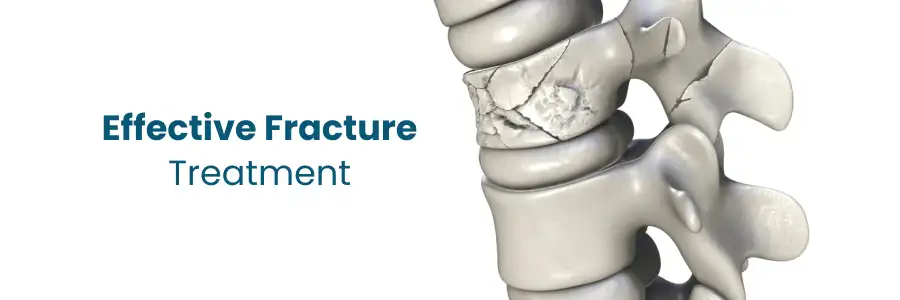
When the force that is applied to a bone exceeds its strength, bones will break. Fractures range from small cracks to complete breaks and can occur in any bone in the body. Those who suspect they have anaemia should urgently seek proper understanding and immediate treatment to facilitate the recovery process.
Types of Bone Fractures
The classification of fractures is typically by their behaviour and extent:
- Closed fracture: when the skin is still intact even though there might be some bleeding
- Open Fracture: This type of fracture expands outside the overall angle and breaks through the skin, possibly infectious.
- Comminuted Fracture: Meaning the bone breaks into many pieces.
- Greenstick Fractures: It is a partial fracture in which the bone only bends and may crack open. It occurs more often among kids.
- Transverse break: A horizontally straight split through the bone
- Angle Fracture: A slanted fracture through the bone.
The treatment plan varies depending on the type of trephine that's being used.
Get a second opinion from trusted experts and makeconfident, informed decisions.
Get Second OpinionNot sure where to start?
Talk to a patient care advisor — free, confidential, 24/7. We'll match you to the right specialist and book your appointment in minutes.
Initial Fracture Management
Prompt and proper management of fractures is crucial for complication-free healing. A methodical process that is elaborated at Medicover Hospital, Nellore.
Diagnosis
A correct diagnosis is the first step in the management of a fracture. Specifically, our team of orthopaedic specialists combines a range of diagnostic techniques:
- X - rays: To see to the bone and find out about its freshness, what type it is and to what extent.
- CT scans: Useful for complicated fractures requiring detailed image
- MRI: Evaluation of the integrity of soft tissues around fracture.
Initial Stabilisation
It is important to stabilise the fracture in order to prevent further injury and suffering. This may involve:
- Stagnation: immobilisation to avoid the bone from moving.
- Casting: Plaster or fibreglass for bone immobilisation.
- Traction: Weights with ropes and (pulleys) to realign the bone.
Pain Management
This phase of treatment is divided into two stages, with the first stage being effective pain management. Our approach includes:
Medications: Painkillers and anti-inflammatories
Ice Packs: For decreasing swelling and numb the region.
Elevation: Raising the injured limb to reduce swelling
Comprehensive Treatment Plans
Our treatment, at Medicover Hospital is customised to each individual patient which makes sure the care provided not only has an immediate effect in treating CAD & PAD but also delivered as a part of comprehensive recovery pathway.
Surgical Intervention
Surgery may be recommended for severe fractures. Some of the surgical techniques that our orthopaedic surgeons perform include:
- Open Reduction Internal Fixation (ORIF): Here, the bone fragments are repositioned and stabilised using metal plates, screws or rods.
- Fixation: Keeping the bones in place externally with a stabilising frame around [outside] your body.
- Bone Grafts: In some complex fractures, bone grafting (transplantation of bone tissue) can be used to help in the healing process.
Non-Surgical Treatment
Non-Surgical Treatment for Less Severe Fractures
- Casting and Splinting: Immobilise the bone so it can heal by itself.
- Functional Bracing: Supports and Limits Motion
- Rehabilitation of the joint: purely P.T. to keep mm and joints from atrophying while immobilised
Recovery Strategies
Recovery strategies must be relevant and efficient to restore function properly without leaving long-term damages behind. At Medicover Hospital, we have a comprehensive approach to recovery facilitated by our multidisciplinary team.
Nutrition and Bone Health
Nutrition is very important for bone healing. Our dietitians offer customised dietary plans with an emphasis on the following:
- Calcium: Necessary for building strong bones, present in dairy products to leafy greens and fortified foods.
- Vitamin D: Needed for calcium metabolism; source is sunshine and oily fish, also present in fortified milk.
- Protein: Needed for rebuilding tissues, found in lean meats and beans too, unlike nuts.
Physical Rehabilitation
Physical therapy is a critical part of healing from fractures, to improve functional mobility and strength. Some of our rehabilitation programs are as follows:
- Promotes Flexibility: Range of motion exercises are important for you to maintain your joint flexibility.
- Strength: To increase muscle strength from poor to normal.
- Balance and Coordination Exercises: For avoiding injuries from falls.
- Aquatic therapy: Pool based workouts to take pressure off the hurting area.
Pain and Inflammation Management
Anything from pain and inflammation management over longer periods of time integrative therapies. Our strategies include:
- Drugs: Pain meds and a solid anti-inflammatory as required.
- Heat Therapy: Heat packs that relax muscles and improve circulation.
- Massage Therapy: For relaxing muscles and increasing circulation.
Monitoring and Follow-Up
On-going management and review is essential to check for any complications early on. Our Orthopaedic team performs.
- Scheduled X-ray: Based on the healing of bones.
- ODI: To assess pain, Mobility and Function
- Management Plan: Tailored to the individual as appropriate for his or her case, including changes in treatment plans (both dosing and discontinuation) based on progress made by a patient
Your health is everything - prioritize your well-being today.
Schedule Your AppointmentAdvanced Orthopaedic Care at Medicover Hospital
We at Medicover Hospital, Nellore, are dedicated to delivering sophisticated orthopaedic care. You will receive the best care possible here as we have full-fledged facilities to provide not only medical support but also our experienced staff, leaving no stone unturned.
Multidisciplinary Approach
We use a multidisciplinary approach with several experts working together including orthopaedic surgeons, physical therapists, dietitians and pain management specialists. This method includes a team-based care approach that guarantees specialised attention to the specific requirements of each patient.
Advanced Technology
We use modern technology to improve our diagnostics and treatments. This includes:
- Sophisticated imaging methods: To diagnose and monitor with great accuracy.
- Minimally Invasive Surgical Techniques: To reduce recovery time and complications
- Computer-Assisted Surgery: For precision bifurcated accuracy in surgery.
Conclusion
Successful treatment and rehabilitation of a fracture demands attention to the entirety of the mind and body that has been broken. At Medicover Hospital, Nellore we provide the most advanced orthopaedic care and individual recovery plans to offer our patients with optimal results. Our plan is to restore functionality and in so doing, improve the quality of life for injured patients via surgical management,physical rehab or nutritional support.
In order to better inform yourself, contact today Medicover Hospital, Nellore for a consultation
Frequently Asked Questions
Treatments include casting, splinting, surgical fixation, and rehabilitation services to ensure proper healing and recovery of fractures.
Care involves initial assessment and imaging, followed by appropriate treatment (surgical or non-surgical), and a structured rehabilitation program to restore function and strength.
Benefits include faster healing times, improved alignment of bone fractures, and functional recovery with minimal long-term complications.
Recovery time varies based on the kind and severity of the fracture, but it typically consists of a period of immobilization followed by rehabilitation to recover mobility and strength.
Patients should anticipate follow-up appointments to monitor healing, physical therapy to regain strength and function, and advice on activity modifications while recovering.
- Cardiology
- Case Studies
- Dermatology
- Endocrinology
- ENT
- Fertility
- Gastroenterology
- General
- General-Medicine
- Gynecology
- Hematology
- Infectious-Diseases
- Medical News
- Neurology
- Oncology
- Ophthalmology
- Orthopedics
- Pediatrics
- Procedure
- Public-Health
- Pulmonology
- Radiology
- Second Opinion
- Urology
- Wellness
- Woman-and-child
Related Blogs
Still have questions? Speak with our experts now!
040-68334455


