 Call
Call Patient Reports
- Cardiology 84
- Dermatology 45
- Endocrinology 33
- ENT 16
- Fertility 190
- Gastroenterology 78
- General-Medicine 81
- Gynecology 80
- Hematology 19
- Infectious-Diseases 33
- Neurology 52
- Oncology 34
- Ophthalmology 23
- Orthopedics 69
- Pediatrics 31
- Procedure 23
- Public-Health 144
- Pulmonology 59
- Radiology 8
- Urology 68
- Wellness 161
- Woman-and-child 77
- 3759
- 3.5 Minute
Does Taking Fish Oil Supplements Reduce Cancer Risk?
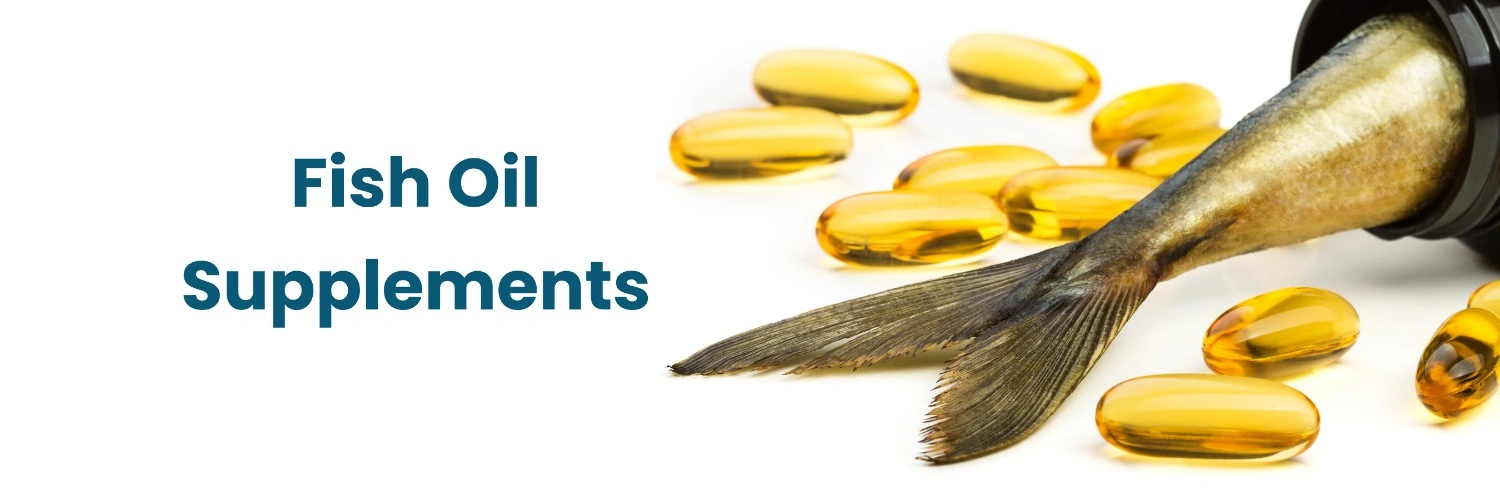
Fish oil supplements have gained popularity due to their perceived health benefits. These supplements are rich in omega-3 fatty acids, which are essential fats our bodies need but cannot produce on their own. Omega-3s are found in fish like salmon, mackerel, and sardines. The two main types of omega-3s in fish oil are eicosapentaenoic acid (EPA) and docosahexaenoic acid (DHA).
Get a second opinion from trusted experts and makeconfident, informed decisions.
Get Second OpinionNot sure where to start?
Talk to a patient care advisor — free, confidential, 24/7. We'll match you to the right specialist and book your appointment in minutes.
Fish Oil and Its Health Benefits
Fish oil is often touted for its myriad health benefits. Many people take fish oil supplements to support heart health, reduce inflammation, and improve brain function. But can these supplements also play a role in cancer prevention?
Fish Oil for Reducing Inflammation and Cancer
Inflammation is a natural response by the body to injury or infection. However, chronic inflammation can contribute to the development of various diseases, including cancer. Omega-3 fatty acids are known for their anti-inflammatory properties. By reducing inflammation, fish oil might help lower the risk of cancer.
Omega-3 Fatty Acids and Cancer Risk
What Do Studies Say?
Several studies have examined the relationship between omega-3 fatty acids and cancer risk. Some research suggests that omega-3s might help protect against certain types of cancer, such as breast, prostate, and colon cancer. However, the evidence is not conclusive.
Other Side of the Coin
Despite these findings, other studies have found no significant link between fish oil supplementation and reduced cancer risk. For instance, a large study in the Journal of the National Cancer Institute found no association between omega-3 intake and overall cancer risk.
Fish Oil and Cancer Prevention: What We Know So Far
Mixed Results
The research on fish oil and cancer prevention is mixed. While some studies suggest a protective effect, others do not find a strong connection. This inconsistency may be due to differences in study design, populations, and omega-3 dosage.
Mechanisms of Action
Omega-3 fatty acids might help in cancer prevention through several mechanisms. They could inhibit tumor growth, reduce inflammation, and improve immune function. However, more research is needed to understand these processes fully.
Your health is everything - prioritize your well-being today.
Schedule Your AppointmentShould You Take Fish Oil Supplements?
Considerations Before Starting
Before adding fish oil supplements to your routine, consider your overall health and dietary habits. It's essential to consult with a healthcare provider, especially if you have existing health conditions or are taking other medications.
Dietary Sources of Omega-3s
While supplements can be convenient, obtaining omega-3s from dietary sources is often recommended. Eating fatty fish, such as salmon, mackerel, and sardines, provides a natural and balanced source of these essential fats.
Frequently Asked Questions
People with bleeding disorders, those on blood thinners, or with fish allergies should avoid it. High doses may also affect people with low blood pressure.
Fish oil supplements have been studied for their potential effects on breast, colon, and prostate cancers due to their anti-inflammatory and immune-supporting properties.
Some studies suggest that omega-3 fatty acids may reduce inflammation and cancer cell growth, but more research is needed for definitive conclusions.
High doses of fish oil may increase the risk of bleeding, interact with medications, and cause gastrointestinal discomfort, so consulting a doctor is recommended before use.
Yes, it's generally safe in recommended doses, but excessive intake can cause side effects like bleeding, nausea, or high LDL cholesterol.
- Cardiology
- Case Studies
- Dermatology
- Endocrinology
- ENT
- Fertility
- Gastroenterology
- General
- General-Medicine
- Gynecology
- Hematology
- Infectious-Diseases
- Medical News
- Neurology
- Oncology
- Ophthalmology
- Orthopedics
- Pediatrics
- Procedure
- Public-Health
- Pulmonology
- Radiology
- Second Opinion
- Urology
- Wellness
- Woman-and-child
Related Blogs
Still have questions? Speak with our experts now!
040-68334455


