 Call
Call Patient Reports
- Cardiology 84
- Dermatology 45
- Endocrinology 33
- ENT 16
- Fertility 190
- Gastroenterology 78
- General-Medicine 81
- Gynecology 80
- Hematology 19
- Infectious-Diseases 33
- Neurology 52
- Oncology 34
- Ophthalmology 23
- Orthopedics 69
- Pediatrics 31
- Procedure 23
- Public-Health 144
- Pulmonology 59
- Radiology 8
- Urology 68
- Wellness 161
- Woman-and-child 77
- 3759
- 3.5 Minute
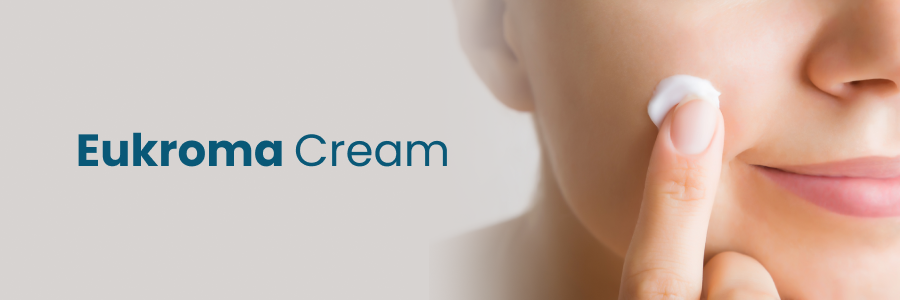
Eukroma Cream Overview
Understanding the benefits and uses of Eukroma Cream can help you make informed decisions about your skincare routine. This article delves into the primary uses of Eukroma Cream, its benefits, possible side effects, and alternatives.
What is Eukroma Cream?
Eukroma Cream is a topical medication commonly used for skin lightening and treating hyperpigmentation. It contains hydroquinone as its active ingredient, which works by reducing the formation of melanin in the skin.
Get a second opinion from trusted experts and makeconfident, informed decisions.
Get Second OpinionNot sure where to start?
Talk to a patient care advisor — free, confidential, 24/7. We'll match you to the right specialist and book your appointment in minutes.
How Does It Work?
Hydroquinone, the active ingredient in Eukroma Cream, inhibits the enzyme tyrosinase, which is crucial for melanin production. By decreasing melanin, the cream helps lighten dark spots and even out skin tone.
Uses of Eukroma Cream
Understanding the various uses of Eukroma Cream can help you decide if it’s the right choice for your skin concerns.
Eukroma Cream for Hyperpigmentation
Hyperpigmentation occurs when patches of skin become darker than the surrounding skin due to excess melanin production. Eukroma Cream is often prescribed to treat this condition effectively.
Eukroma Cream for Dark Spots
Dark spots, or age spots, are common as we age. Eukroma Cream can help lighten these spots, making your skin look more youthful and even-toned.
Eukroma Cream for Scars
Some users find Eukroma Cream effective in lightening scars, especially those left by acne. However, results can vary, and it’s essential to consult a dermatologist for severe scarring.
Eukroma Cream for Skin Lightening
Eukroma Cream is also used for general skin lightening. It can help achieve a more uniform complexion by reducing the appearance of dark patches and spots.
Can You Use Eukroma Cream on Your Face?
Yes, Eukroma Cream can be applied to the face. However, it’s essential to follow the prescribed instructions and avoid prolonged use to minimize potential side effects.
Benefits of Eukroma Cream
Eukroma Cream offers several benefits for those looking to improve their skin appearance.
Effective Treatment for Hyperpigmentation
One of the main benefits of Eukroma Cream is its effectiveness in treating hyperpigmentation. It can significantly lighten dark patches and improve skin tone.
Fast-Acting Results
Many users report seeing noticeable improvements within a few weeks of regular use. However, consistency is key to achieving the best results.
Easy to Use
Eukroma Cream is easy to incorporate into your skincare routine. Apply it as directed by your dermatologist, usually once or twice a day.
Possible Side Effects of Eukroma Cream
While Eukroma Cream can be effective, it’s essential to be aware of potential side effects.
Skin Irritation
Some users may experience skin irritation, including redness, itching, or burning sensations. If these symptoms persist, discontinue use and consult your dermatologist.
Allergic Reactions
In rare cases, users may experience allergic reactions. Symptoms can include severe itching, swelling, or difficulty breathing. Seek immediate medical attention if you experience any of these symptoms.
Sun Sensitivity
Eukroma Cream can make your skin more sensitive to sunlight. It’s crucial to use sunscreen and limit sun exposure while using this product to prevent further skin damage.
Long-term Use Risks
Prolonged use of hydroquinone can lead to ochronosis, a condition where the skin becomes dark and thick. It’s essential to follow your dermatologist’s instructions and avoid long-term use.
Alternatives to Eukroma Cream
If you’re concerned about the potential side effects of Eukroma Cream, several alternatives are available.
Natural Remedies
Natural remedies like lemon juice, aloe vera, and turmeric can help lighten dark spots and improve skin tone. While these remedies may take longer to show results, they generally have fewer side effects.
Other Topical Treatments
Several other topical treatments for hyperpigmentation and dark spots, such as retinoids, vitamin C serums, and azelaic acid, can be effective alternatives to Eukroma Cream.
Professional Treatments
Professional treatments like chemical peels, laser therapy, and microdermabrasion can also address hyperpigmentation and dark spots. Consult a dermatologist to determine the best option for your skin type and concerns.
How to Use Eukroma Cream Safely
Following these guidelines can help you use Eukroma Cream safely and effectively.
Patch Test
Before applying Eukroma Cream to larger areas, perform a patch test on a small area of skin to check for any adverse reactions.
Follow Instructions
Always follow the instructions provided by your dermatologist or the product label. Apply a thin layer to the affected area, usually once or twice daily.
Use Sunscreen
Since Eukroma Cream can increase sun sensitivity, applying sunscreen with a high SPF is crucial when going outdoors.
Monitor Your Skin
Keep an eye on your skin’s response to the cream. If you notice any severe irritation or unusual changes, discontinue use and consult your dermatologist.
Your health is everything - prioritize your well-being today.
Schedule Your AppointmentConclusion
Eukroma Cream can be an effective solution for those struggling with hyperpigmentation, dark spots, and uneven skin tone. By understanding its uses, benefits, and potential side effects, you can make an informed decision about incorporating it into your skincare routine. Always consult a dermatologist before starting any new treatment to ensure it’s the right choice for your skin type and concerns.
Frequently Asked Questions
Eukroma Cream is used to treat scars, hyperpigmentation, skin lightening, and dark spots by promoting even skin tone and reducing discoloration.
Benefits include improved skin radiance, reduction in dark spots and scars, enhanced skin brightness, and overall skin lightening for a more even complexion.
Possible side effects include mild skin irritation, redness, dryness, and allergic reactions. If severe side effects occur, discontinue use and consult a healthcare provider.
Eukroma Cream typically contains ingredients like kojic acid, vitamin C, niacinamide, and other brightening agents that help in reducing pigmentation and enhancing skin glow.
Alternatives include other skin lightening creams containing ingredients like hydroquinone, arbutin, or glycolic acid. Consult a dermatologist before switching products.
Disclaimer: The information provided is accurate and up-to-date to the best of our knowledge. However, it should not be considered a substitute for medical advice or consultation. We do not guarantee its completeness or accuracy. The absence of specific warnings does not mean a medicine is safe for all users. We are not responsible for any outcomes based on this information and strongly recommend consulting a doctor for any medical concerns or questions.
- Cardiology
- Case Studies
- Dermatology
- Endocrinology
- ENT
- Fertility
- Gastroenterology
- General
- General-Medicine
- Gynecology
- Hematology
- Infectious-Diseases
- Medical News
- Neurology
- Oncology
- Ophthalmology
- Orthopedics
- Pediatrics
- Procedure
- Public-Health
- Pulmonology
- Radiology
- Second Opinion
- Urology
- Wellness
- Woman-and-child
Related Blogs
Still have questions? Speak with our experts now!
040-68334455


