 Call
Call Patient Reports
- Cardiology 84
- Dermatology 45
- Endocrinology 33
- ENT 16
- Fertility 190
- Gastroenterology 78
- General-Medicine 81
- Gynecology 80
- Hematology 19
- Infectious-Diseases 33
- Neurology 52
- Oncology 34
- Ophthalmology 23
- Orthopedics 69
- Pediatrics 31
- Procedure 23
- Public-Health 144
- Pulmonology 59
- Radiology 8
- Urology 68
- Wellness 161
- Woman-and-child 77
- 3759
- 3.5 Minute
Effective Treatments for Acne Scars
Acne scars can be a persistent reminder of past skin troubles, affecting self-esteem and confidence. Fortunately, various treatments can significantly reduce the appearance of these scars, leading to smoother, more even skin.
Get a second opinion from trusted experts and makeconfident, informed decisions.
Get Second OpinionNot sure where to start?
Talk to a patient care advisor — free, confidential, 24/7. We'll match you to the right specialist and book your appointment in minutes.
Understanding Acne Scars
Acne scars result from the inflammation of acne blemishes. When the acne pore swells, it causes a breakdown in the wall of the pore. Some acne blemishes are small, and the scars created are shallow and heal quickly. However, sometimes the contents of blemishes spill into the surrounding tissue, causing deeper scars. The skin attempts to repair these lesions by forming new collagen fibers. However, this repair isn't as smooth and flawless as the original skin.
Types of Acne Scars
Understanding the type of acne scars you have can help in choosing the most effective treatment.
- Atrophic Scars: These scars are characterized by a loss of tissue and can appear as: Ice-pick scars: Deep, narrow scars.Boxcar scars: Broad, rectangular depressions with sharply defined edges.Rolling scars: Broad depressions with a sloping edge.
- Hypertrophic Scars: Unlike atrophic scars, hypertrophic scars are raised above the skin's surface due to an overproduction of collagen during the healing process.
Topical Treatments
Acne Scar Creams
Acne scar creams are often the first line of treatment. These creams usually contain ingredients like retinoids, vitamin C, and hydroquinone, which help in reducing pigmentation and promote collagen production.
- Retinoids
- Vitamin C
- Hydroquinone
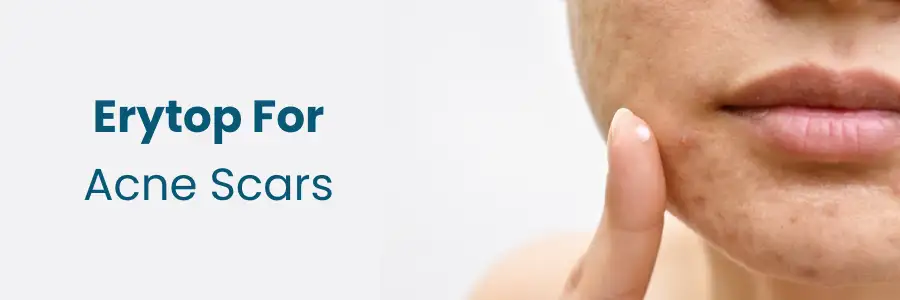
Erytop for Acne Scars
Erytop, a topical antibiotic, is often recommended for its effectiveness in treating acne and preventing new scars. It contains erythromycin, which fights bacteria and reduces inflammation.
Over-the-Counter Options
Several over-the-counter products can be effective in treating mild acne scars. Ingredients to look for include:
- Alpha hydroxy acids (AHAs): Exfoliates the skin and removes dead skin cells.
- Beta hydroxy acids (BHAs): Penetrate deeper into the pores to clear out debris.
- Silicone gels: Helps in flattening and softening raised scars.
Medical Procedures
For more severe acne scars, medical treatments can offer more dramatic results.
Chemical Peels
Chemical peels involve applying a chemical solution to the skin, which causes it to exfoliate and eventually peel off. The new skin is usually smoother and less scarred. Types of chemical peels include:
- Superficial peels: Use mild acids like alpha-hydroxy acid.
- Medium peels: Use trichloroacetic acid (TCA).
- Deep peels: Use phenol and can produce more dramatic results.
Laser Resurfacing
Laser resurfacing removes the top layer of skin, encouraging new skin growth. There are two main types:
- Ablative lasers: Remove layers of skin and are more intense.
- Non-ablative lasers: Stimulate collagen production without removing layers of skin.
Microneedling
Microneedling involves using a device with fine needles to create tiny punctures in the skin. This process stimulates collagen production and can improve the appearance of acne scars over time. It's often combined with other treatments, such as PRP (platelet-rich plasma) therapy, for enhanced results.
Dermal Fillers
Dermal fillers can be injected into depressed acne scars to raise them to the level of the surrounding skin. This treatment is particularly effective for boxcar and rolling scars. Fillers can be made of various substances, including hyaluronic acid, poly-L-lactic acid, and the patient's fat.
Natural Remedies
For those who prefer a more natural approach, several home remedies can help reduce the appearance of acne scars.
Aloe Vera
Aloe vera is known for its healing properties. Applying fresh aloe vera gel to the scars can help in reducing inflammation and promoting skin regeneration.
Honey
Honey has antibacterial and healing properties. Using raw honey as a mask or spot treatment can aid in reducing scar appearance.
Lemon Juice
Lemon juice contains citric acid, which can lighten scars and even out skin tone. However, it can be quite harsh on the skin, so it's essential to use it sparingly and always follow up with a moisturizer.
Preventing Acne Scars
While treating existing scars is crucial, preventing new scars from forming is equally important.
Proper Acne Treatment
Treating acne promptly and effectively can prevent scars from forming. This includes using appropriate acne treatments and avoiding picking or squeezing pimples.
Sun Protection
Sun exposure can darken scars and make them more noticeable. Using sunscreen daily can protect the skin and prevent scars from worsening.
Healthy Skincare Routine
Maintaining a healthy skincare routine with gentle cleansing, exfoliation, and moisturization can keep the skin healthy and reduce the likelihood of scarring.
Your health is everything - prioritize your well-being today.
Schedule Your AppointmentConclusion
Acne scars can be challenging to deal with, but with the right treatments, significant improvement is possible. From topical treatments and medical procedures to natural remedies, there are various options to suit different needs and preferences. Understanding the type of scars and consulting with a dermatologist can help in choosing the most effective treatment plan. With patience and consistency, achieving smoother, clearer skin is within reach.
Frequently Asked Questions
Yes, Erytop Cream helps reduce acne scars by preventing new acne and lightening existing scars.
Apply Erytop Cream twice a day for the best results on acne scars.
While it helps in reducing scars, it may not completely remove deep scars. Regular use can show improvement.
It is best to consult a dermatologist if you have sensitive skin before using the cream for acne marks.
Erytop is more effective on recent scars. Older scars may take longer to fade with consistent use.
Disclaimer: The information provided is accurate and up-to-date to the best of our knowledge. However, it should not be considered a substitute for medical advice or consultation. We do not guarantee its completeness or accuracy. The absence of specific warnings does not mean a medicine is safe for all users. We are not responsible for any outcomes based on this information and strongly recommend consulting a doctor for any medical concerns or questions.
- Cardiology
- Case Studies
- Dermatology
- Endocrinology
- ENT
- Fertility
- Gastroenterology
- General
- General-Medicine
- Gynecology
- Hematology
- Infectious-Diseases
- Medical News
- Neurology
- Oncology
- Ophthalmology
- Orthopedics
- Pediatrics
- Procedure
- Public-Health
- Pulmonology
- Radiology
- Second Opinion
- Urology
- Wellness
- Woman-and-child
Related Blogs
Still have questions? Speak with our experts now!
040-68334455


