 Call
Call Patient Reports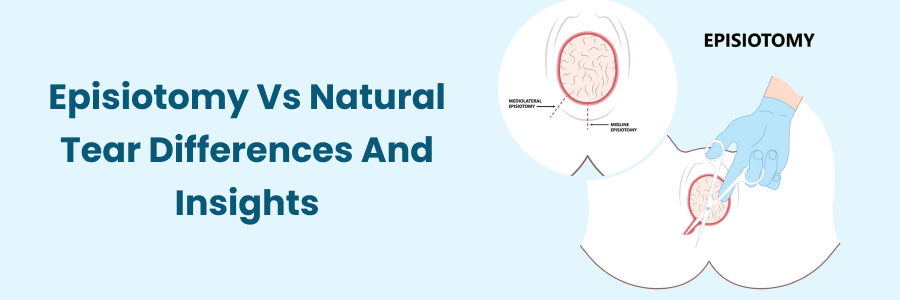
- 3759
- 3.5 Minute
Episiotomy vs Natural Tears: Insights
Are you wondering about the differences between an episiotomy and a natural tear? How does it affect your daily activities and recovery process?
Episiotomy is a common procedure during childbirth, but many women have concerns about its implications. Let's dive into the details to provide you with a clear understanding of episiotomy types, real episiotomy stitches, indications of episiotomy, and the benefits of lateral episiotomy.
Get a second opinion from trusted experts and makeconfident, informed decisions.
Get Second OpinionNot sure where to start?
Talk to a patient care advisor — free, confidential, 24/7. We'll match you to the right specialist and book your appointment in minutes.
Reasons for Episiotomy
Episiotomy is performed for various reasons, including:
- Facilitating a quicker delivery
- Preventing severe tears
- Assisting with instrumental deliveries
While episiotomy was once a routine procedure, it is now recommended only in specific situations to reduce the risk of complications.
Recovery Process after Episiotomy
After an episiotomy, it is crucial to take care of the stitches to promote healing. Here are some essential tips for a smooth recovery:
- Keep the area clean and dry
- Avoid strenuous activities
- Use pain relief measures as recommended by your healthcare provider
With proper care, most women recover well after an episiotomy.
Episiotomy vs. Natural Tear
What is the difference between an episiotomy and a natural tear during childbirth?
Episiotomy is a surgical cut made to widen the vaginal opening during delivery, while a natural tear occurs spontaneously as the baby passes through the birth canal. Studies suggest that natural tears may heal better than episiotomies in some cases.
Episiotomy Stitches Care
Proper care of episiotomy stitches is essential for preventing infection and promoting healing:
- Keep the stitches clean and dry
- Avoid activities that put pressure on the stitches
- Follow your healthcare provider's advice on pain management
Regularly monitoring the stitches and seeking medical attention if you notice any signs of infection are crucial steps in the recovery process.
Benefits of Lateral Episiotomy
What are the benefits of a lateral episiotomy?
A lateral episiotomy involves making a diagonal incision instead of a midline cut. This technique is believed to reduce the risk of severe tears extending to the anal sphincter and may promote faster healing.
Your health is everything - prioritize your well-being today.
Schedule Your AppointmentConclusion
In conclusion, understanding the differences between episiotomy and natural tearing can help you make informed decisions about your childbirth experience. Remember to follow your healthcare provider's advice for optimal recovery and reach out to them if you have any concerns about your episiotomy stitches or healing process.
Frequently Asked Questions
An episiotomy can cause scar tissue, which may lead to discomfort or reduced elasticity during future deliveries. In some cases, it can increase the risk of perineal tearing in subsequent births. However, most women heal well and have normal future deliveries.
Natural perineal stretching, controlled pushing, and perineal massage during pregnancy can help reduce the need for an episiotomy. Warm compresses and proper labor positioning may also aid in preventing severe tearing. Healthcare providers often prefer these methods over routine episiotomies.
An episiotomy can lead to pain, infection, bleeding, and prolonged healing. In some cases, it may cause complications like perineal muscle damage, incontinence, or painful scar tissue. Severe cases may result in difficulty with future deliveries or sexual discomfort.
Recovery from an episiotomy usually takes about 4 to 6 weeks. Proper wound care, pain management, and pelvic floor exercises can speed up healing. In some cases, discomfort may last longer, especially if complications arise.
Yes, an episiotomy can often be avoided with proper labor techniques, perineal massage, and controlled pushing. Choosing a provider who follows evidence-based practices and avoids routine episiotomies also helps. However, in certain emergencies, it may be necessary to ensure a safe delivery.
- Cardiology
- Case Studies
- Dermatology
- Endocrinology
- ENT
- Fertility
- Gastroenterology
- General
- General-Medicine
- Gynecology
- Hematology
- Infectious-Diseases
- Medical News
- Neurology
- Oncology
- Ophthalmology
- Orthopedics
- Pediatrics
- Procedure
- Public-Health
- Pulmonology
- Radiology
- Second Opinion
- Urology
- Wellness
- Woman-and-child
Related Blogs
Still have questions? Speak with our experts now!
040-68334455


