 Call
Call Patient Reports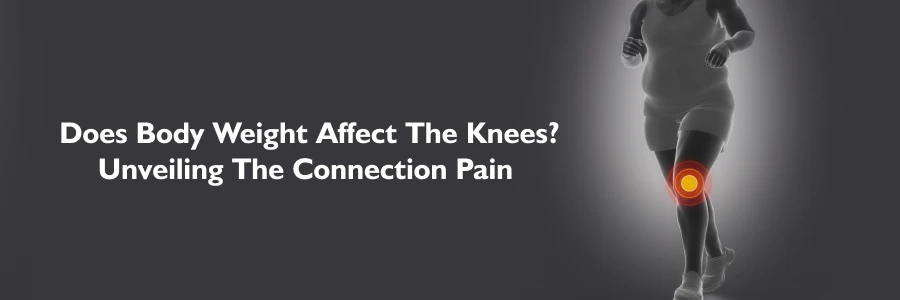
- 3759
- 3.5 Minute
Written by Medicover Team and Medically Reviewed by Dr Sai kishan Sirasala, Orthopedic
Does Body Weight Affect the Knees? Understanding the Impact of Weight on Knee Health
Knee pain is one of the most common musculoskeletal complaints affecting people of all ages. While injuries and medical conditions like arthritis are well-known causes, one critical yet often overlooked factor is body weight.
So, does body weight affect the knees? The answer is a resounding yes. Excess body weight can contribute significantly to knee discomfort and long-term joint issues.
In this article, we explore the connection between body weight and knee health, including how weight gain, weight loss, and obesity influence knee joint pain.
How Does Body Weight Affect the Knees?
The knees are major weight bearing joints that support the body during daily activities such as walking, standing, climbing stairs and even sitting. Every extra pound of body weight adds roughly four pounds of pressure on the knee joints. Over time, this increased load can lead to wear and tear, cartilage breakdown and chronic pain.
When asking, "Does weight cause knee pain?", it's essential to understand that both sudden weight gain and long-term obesity contribute to increased stress on the knees. This excess stress leads to inflammation, pain, and even the early onset of osteoarthritis. The question "does excess weight affect the knee?" becomes particularly relevant for individuals with a sedentary lifestyle or those who have experienced rapid weight gain.
Get a second opinion from trusted experts and makeconfident, informed decisions.
Get Second OpinionNot sure where to start?
Talk to a patient care advisor — free, confidential, 24/7. We'll match you to the right specialist and book your appointment in minutes.
Does Weight Cause Knee Pain?
Yes, weight can directly cause knee pain. As mentioned, the knees bear significant loads throughout the day. Carrying excess weight increases the strain, especially during movement or physical activity. The cartilage in the knees, which acts as a cushion, starts to wear down more quickly under increased pressure. This results in joint stiffness, swelling and a reduced range of motion.
Many individuals with obesity or overweight conditions report chronic knee pain. This correlation is not coincidental research consistently supports the link between higher body mass index (BMI) and knee problems. Therefore, it is crucial to recognize knee pain obesity as a legitimate health concern. Left unmanaged, this can lead to more severe mobility issues and affect your overall lifestyle.
Knee Pain Due to Overweight: What Happens in the Body?
Being overweight can affect the biomechanics of your body. It changes the way you walk, sit, and move, potentially leading to poor posture and abnormal gait patterns. These changes place additional strain not only on the knees but also on the hips, ankles, and lower back.
Moreover, fat tissue is not inactive. It produces inflammatory chemicals known as cytokines, which can inflame joints and exacerbate knee pain. This means that knee joint pain and body weight are connected not just mechanically but also biologically. The presence of chronic inflammation only worsens knee pain due to overweight.
Weight Loss and Pressure on the Knees
The good news is that weight loss can significantly reduce pressure on the knees. Studies show that losing just 10 pounds can relieve up to 40 pounds of pressure from the knees. That’s a compelling reason to consider healthy weight loss strategies if you're experiencing knee pain.
Knee pain weight loss is a well-documented phenomenon. Many patients with obesity who adopt a balanced diet and regular exercise routine often report improved mobility and reduced pain levels. The cartilage gets a chance to recover, and the reduced inflammation promotes overall joint health.
Also, improved muscle tone and strength through low-impact exercises can enhance knee support, stabilizing the joint and making movement easier. Thus, when considering treatment for knee pain, weight loss and pressure on the knees must be evaluated together.
Does Excess Weight Affect the Knee Over Time?
Yes, excess weight can have long-term effects on knee health. Chronic overweight or obesity accelerates the wear and tear of the knee joints. It leads to the earlier onset of osteoarthritis, especially in older adults. The condition can become so severe that walking, climbing stairs, or even standing for short periods becomes painful.
Ignoring knee pain due to being overweight can lead to joint deformities and even the need for surgical interventions like knee replacement. Thus, addressing the root cause of body weight can be a preventive step toward lifelong joint health.
Managing Knee Pain with Weight Management
If you're dealing with knee pain and are overweight, weight management should be a priority. Here are some steps you can take:
- Consult a healthcare professional: Get a comprehensive health assessment to determine how much weight loss would benefit your joints.
- Start with low-impact exercises: Activities like swimming, cycling, and walking are easier on the joints and can help with weight loss.
- Focus on a balanced diet: Eating anti-inflammatory foods and avoiding processed sugars and fats can help manage weight and reduce joint inflammation.
- Physical therapy: A physical therapist can guide you through exercises that strengthen the muscles around the knee, improving stability and reducing pain.
- Set realistic goals: Sustainable weight loss of even 5–10% of your body weight can reduce knee pain symptoms and enhance joint health.
Knee Pain Weight Gain: A Vicious Cycle
One of the challenges is that knee pain caused by excess weight often leads to reduced physical activity, which then contributes to more weight gain. Breaking this cycle requires a mindful approach to both diet and movement. Even modest weight loss can make a significant difference and motivate further health improvements.
If you're struggling to stay active due to pain, consider aquatic exercises or stationary biking, which reduce joint impact while promoting movement. This can be the first step in reversing the effects of knee pain weight gain.
Your health is everything - prioritize your well-being today.
Schedule Your AppointmentConclusion
So, does body weight affect the knees? Absolutely. There is a strong connection between knee joint pain and body weight. Excessive weight increases stress on the knees, contributes to inflammation, and accelerates cartilage breakdown. Fortunately, managing your weight through proper nutrition and exercise can ease knee pain and improve your overall quality of life.
Addressing knee pain early especially when related to obesity or weight gain—can prevent more serious joint conditions down the line. If you’re experiencing symptoms, speak to a healthcare provider about personalized strategies for knee pain weight loss and long-term joint care.
Maintaining a healthy body weight not only benefits your knees but also supports overall physical function, energy levels, and mental well-being. The sooner you begin a healthy lifestyle, the greater your chances of reducing knee pain and avoiding chronic joint disorders.
Frequently Asked Questions
Yes, excessive walking can strain the knees, leading to pain or injury. Listen to your body and rest when needed.
Yes. There is a strong link between knee pain and obesity. Excess fat causes mechanical stress and inflammation, both of which contribute to chronic knee joint pain.
Yes. Studies show that obese individuals are 2–3 times more likely to need knee replacement surgery due to chronic joint damage and cartilage loss caused by excess body weight.
Some people notice relief within a few weeks of healthy weight loss. Reducing just 1 pound of weight can remove 4 pounds of pressure from the knee with each step.
Yes, but the causes differ. In underweight individuals, knee pain is often due to muscleweakness, poor nutrition, or joint instability rather than mechanical stress from excess weight.
- Cardiology
- Case Studies
- Dermatology
- Endocrinology
- ENT
- Fertility
- Gastroenterology
- General
- General-Medicine
- Gynecology
- Hematology
- Infectious-Diseases
- Medical News
- Neurology
- Oncology
- Ophthalmology
- Orthopedics
- Pediatrics
- Procedure
- Public-Health
- Pulmonology
- Radiology
- Second Opinion
- Urology
- Wellness
- Woman-and-child
Related Blogs
Still have questions? Speak with our experts now!
040-68334455


