 Call
Call Patient Reports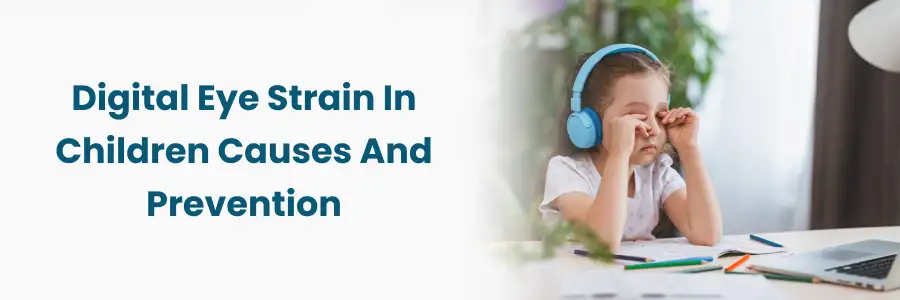
- 3759
- 3.5 Minute
Digital Eye Strain in Children: Causes and Prevention
Do you worry about how much time your child spends in front of screens each day? Are you noticing changes in their behavior or complaints about eye discomfort? Digital eye strain in Children is a growing concern for many parents as technology becomes a more significant part of daily life. This condition can impact their ability to focus on schoolwork, participate in sports, and enjoy leisure activities.
Get a second opinion from trusted experts and makeconfident, informed decisions.
Get Second OpinionNot sure where to start?
Talk to a patient care advisor — free, confidential, 24/7. We'll match you to the right specialist and book your appointment in minutes.
Screen Time Effects on Kids
Excessive screen time can lead to a range of issues for children, including digital eye strain, disrupted sleep patterns, and decreased physical activity. Here are some common effects of screen time on kids:
- Eye discomfort and fatigue
- Headaches and migraines
- Decreased attention span
- Poor posture
To mitigate these effects, it's essential to set limits on screen time and encourage breaks for physical activity and eye rest.
Managing Digital Eye Fatigue
When children spend extended periods in front of screens, they may experience digital eye fatigue. To help manage this condition, consider the following tips:
- Ensure proper lighting in the room
- Encourage the 20-20-20 rule: Every 20 minutes, look at something 20 feet away for at least 20 seconds
- Adjust screen brightness and contrast levels
- Use artificial tears to keep the eyes lubricated
By incorporating these strategies, you can reduce the risk of digital eye fatigue in children.
Blue Light and Children's Eyes
Blue light emitted from screens can impact children's eyes, leading to digital eye strain and potential long-term effects on vision. To address this issue, consider the following recommendations:
- Use blue light filters on devices
- Limit screen time before bedtime to improve sleep quality
- Encourage outdoor activities to reduce blue light exposure
Protecting children's eyes from excessive blue light exposure is crucial for their overall eye health.
Preventing Eye Strain in Kids
Preventing eye strain in children requires a proactive approach to managing their screen time and promoting healthy vision habits. Consider the following preventive measures:
- Encourage regular eye exams to detect any vision problems early
- Limit screen time and prioritize outdoor activities
- Teach children to blink frequently to prevent dry eyes
- Ensure screens are positioned at an appropriate distance and angle
By implementing these strategies, you can help your child maintain good eye health and reduce the risk of digital eye strain.
Safe Screen Habits for Children
Developing safe screen habits is essential for protecting children's eyes and overall well-being. Here are some tips to promote healthy screen use:
- Set time limits for screen use each day
- Encourage breaks for physical activity and eye rest
- Create screen-free zones in the home, such as the dinner table and bedrooms
By establishing these habits early on, you can instill a healthy relationship with technology in your child.
Your health is everything - prioritize your well-being today.
Schedule Your AppointmentConclusion
In conclusion, Digital Eye Strain in Children is a prevalent issue that can impact their daily activities and overall eye health. By understanding the causes of digital eye strain and implementing preventive measures, parents can help their children maintain healthy vision habits and reduce the risk of eye fatigue. Remember to prioritize outdoor activities, regular eye exams, and safe screen habits to protect your child's eyes in today's digital age.
Frequently Asked Questions
For children aged 2-5, experts recommend no more than 1 hour of screen time per day. For older children, limiting recreational screen time to 2 hours daily while encouraging physical activity and offline activities helps maintain eye health and overall well-being.
Children should follow the 20-20-20 rule, every 20 minutes, they should look at something 20 feet away for at least 20 seconds. Frequent breaks, along with proper posture and blinking, help reduce digital eye strain and fatigue.
A child should see an eye doctor if they experience persistent eye strain, headaches, blurry vision, dryness, excessive blinking, or difficulty focusing, especially if symptoms don’t improve with screen breaks or reduced exposure.
Excessive screen use, especially before bedtime, exposes children to blue light, which suppresses melatonin production and disrupts sleep cycles. This can lead to difficulty falling asleep, poor sleep quality, and daytime fatigue.
Printed books are better for children's eyes as they don’t emit blue light, reducing the risk of eye strain and sleep disturbances. However, using e-books, adjusting brightness, using e-ink screens, and taking regular breaks can help minimize strain.
- Cardiology
- Case Studies
- Dermatology
- Endocrinology
- ENT
- Fertility
- Gastroenterology
- General
- General-Medicine
- Gynecology
- Hematology
- Infectious-Diseases
- Medical News
- Neurology
- Oncology
- Ophthalmology
- Orthopedics
- Pediatrics
- Procedure
- Public-Health
- Pulmonology
- Radiology
- Second Opinion
- Urology
- Wellness
- Woman-and-child
Related Blogs
Still have questions? Speak with our experts now!
040-68334455


