 Call
Call Patient Reports
- Cardiology 84
- Dermatology 45
- Endocrinology 33
- ENT 16
- Fertility 190
- Gastroenterology 78
- General-Medicine 81
- Gynecology 80
- Hematology 19
- Infectious-Diseases 33
- Neurology 52
- Oncology 34
- Ophthalmology 23
- Orthopedics 69
- Pediatrics 31
- Procedure 23
- Public-Health 144
- Pulmonology 59
- Radiology 8
- Urology 68
- Wellness 161
- Woman-and-child 77
- 3759
- 3.5 Minute
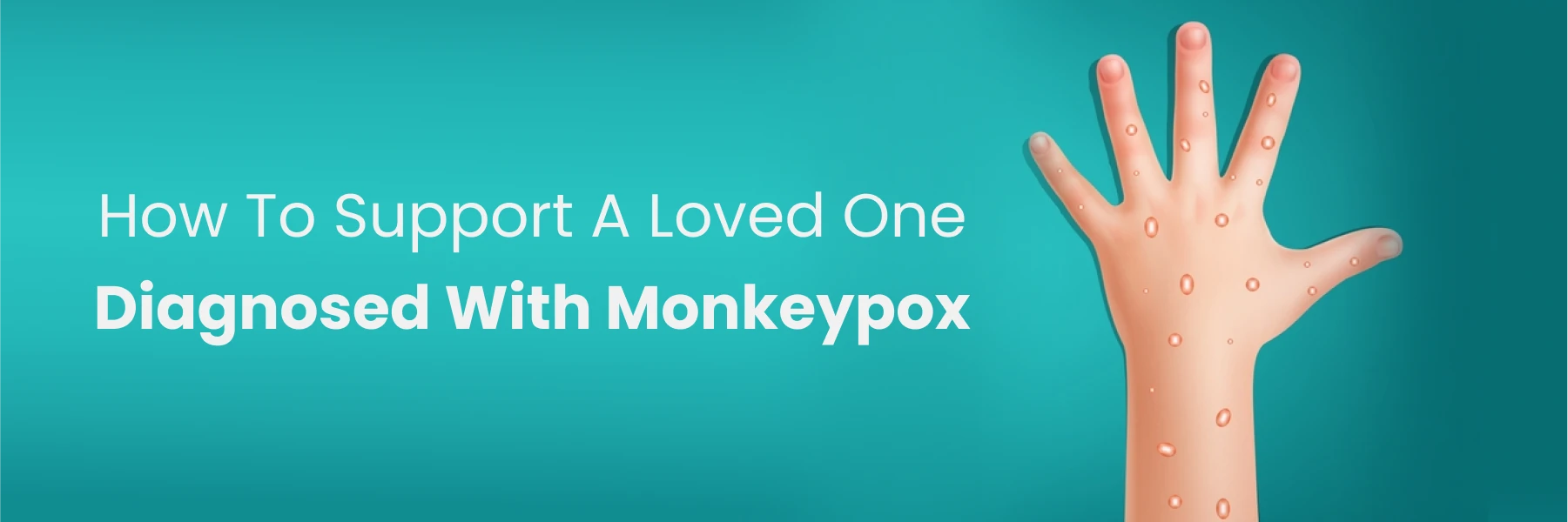
How to Support a Loved One Diagnosed with Monkeypox
When a loved one is diagnosed with monkeypox, it can be a stressful and confusing time for everyone involved. Monkeypox, a rare viral disease similar to smallpox but generally less severe, requires proper care and emotional support for a smooth recovery.
This guide will help you understand how to support your loved one effectively during this challenging time.
Understanding Monkeypox
Before diving into support strategies, it's essential to understand what monkeypox is. Monkeypox is a viral zoonotic disease, meaning it can spread from animals to humans. The virus is part of the Orthopoxvirus genus, which also includes the variola virus (smallpox) and the vaccinia virus (used in the smallpox vaccine). Knowing the basics of the disease can help you prepare better and reduce the anxiety that comes with uncertainty.
Get a second opinion from trusted experts and makeconfident, informed decisions.
Get Second OpinionNot sure where to start?
Talk to a patient care advisor — free, confidential, 24/7. We'll match you to the right specialist and book your appointment in minutes.
Symptoms and Transmission
The symptoms of monkeypox are similar to, but milder than, those of smallpox. They include:
- Fever
- Headache
- Muscle aches
- Backache
- Swollen lymph nodes
- Chills
- Exhaustion
- Rash, often starting on the face and then spreading to other parts of the body.
Monkeypox is transmitted through close contact with an infected person or animal or through material contaminated with the virus. Understanding these aspects can help you take necessary precautions while offering support. It's crucial to be aware of the symptoms for early detection and to prevent the spread of the disease within your household or community.
Providing Emotional Support
Supporting a loved one diagnosed with monkeypox isn't just about addressing physical symptoms; emotional well-being is equally important. Here are some ways to provide emotional support:
Be Present
One of the most impactful ways to support your loved one is simply being there for them. Whether it's a phone call, a video chat, or sitting by their side (with appropriate precautions), your presence can be incredibly comforting. Physical presence, even if minimal, can have a profound effect on their emotional state. Sometimes, just knowing someone is there can alleviate feelings of isolation and fear.
Listen Actively
Active listening involves fully concentrating on what your loved one is saying without interrupting or offering unsolicited advice. Sometimes, just having someone to talk to can be a significant relief. By showing empathy and understanding, you can help them feel heard and validated. Remember, your role is to provide a safe space for them to express their emotions freely.
Encourage Open Communication
Encourage your loved one to express their feelings and fears. Let them know that it's okay to feel anxious, scared, or frustrated. Open communication can alleviate some of the emotional burdens they may be carrying. By discussing their concerns openly, you can work together to find solutions or provide the comfort of shared understanding.
Practical Support Strategies
Supporting a loved one with monkeypox also involves practical measures to ensure their comfort and well-being.
Help with Daily Activities
Your loved one might find it challenging to perform daily tasks due to fatigue or other symptoms. Offering help with activities such as cooking, cleaning, and grocery shopping can make a big difference. Small gestures like preparing a meal or running errands can significantly reduce their stress levels. It's these everyday tasks that can become overwhelming when one is unwell.
Ensure Proper Medical Care
Make sure your loved one is receiving appropriate medical care. This includes regular check-ups, following prescribed treatments and monitoring symptoms. If they need to be isolated, help them set up a comfortable space where they can rest and recover. Having a designated area for isolation can help contain the virus and make them feel safer.
Maintain Hygiene and Safety
To prevent the spread of monkeypox, it's crucial to maintain good hygiene practices. Wash your hands frequently, use hand sanitizer, and wear protective gear if necessary. Ensure that your loved one's living space is clean and sanitized. Regularly cleaning surfaces and washing contaminated clothing can minimize the risk of spreading the virus.
Monkeypox Treatment and Care
While there is no specific treatment for monkeypox, supportive care can help manage symptoms and prevent complications.
Over-the-Counter Medications
Over-the-counter medications can help alleviate symptoms such as fever, pain, and itching. Consult with a healthcare provider to determine the best options. Pain relievers and fever reducers can significantly improve comfort levels. Always follow medical advice to avoid any adverse reactions.
Hydration and Nutrition
Ensure your loved one stays hydrated and maintains a balanced diet. Drinking plenty of fluids and eating nutritious meals can help support their immune system and promote recovery. Proper hydration can alleviate some symptoms like headaches and fatigue, while a balanced diet provides the necessary nutrients for healing.
Rest and Recovery
Encourage your loved one to get plenty of rest. Adequate sleep is essential for the body to heal and recover. Create a calm and quiet environment to facilitate restful sleep. Remind them that taking the time to rest is crucial for their recovery process.
Monitoring Symptoms
Keep a close eye on your loved one's symptoms. If you notice any worsening or new symptoms, contact a healthcare provider immediately. Early intervention can prevent complications and ensure timely medical care. Documenting symptoms daily can also help healthcare providers make informed decisions.
Coping with Isolation
Isolation can be one of the most challenging aspects of dealing with monkeypox. Here are some strategies to help your loved one cope:
Stay Connected
Technology can be a lifeline during isolation. Regular video calls, text messages, and social media interactions can help your loved one feel connected to the outside world. Virtual interactions can provide emotional support and reduce feelings of loneliness. Encourage your loved one to reach out to friends and family regularly.
Engage in Activities
Encourage your loved one to engage in activities they enjoy, such as reading, watching movies, or doing puzzles. These activities help pass the time and provide a mental break from their illness. Engaging in hobbies can also serve as a distraction, helping to reduce stress and anxiety.
Taking Care of Yourself
Supporting a loved one with monkeypox can be emotionally and physically draining. It's essential to take care of yourself as well.
Set Boundaries
It's okay to set boundaries and take breaks when needed. You can't pour from an empty cup, so make sure you're taking time for self-care. Establishing boundaries ensures that you stay energized and can provide sustained support. Remember, it's okay to ask for help from others when you need it.
Seek Support
Don't hesitate to seek support from friends, family, or professional counselors. Talking about your feelings and experiences can help you cope with the stress and emotional toll. Support groups or counseling sessions can provide valuable coping strategies and emotional relief. By taking care of your mental health, you'll be better equipped to support your loved one.
Your health is everything - prioritize your well-being today.
Schedule Your AppointmentConclusion
Supporting a loved one diagnosed with monkeypox involves a combination of emotional support, practical assistance, and ensuring proper medical care. By being present, actively listening, and helping with daily tasks, you can make a significant difference in their recovery journey. Remember to take care of yourself as well so you can continue to provide the best support possible.
By understanding monkeypox and implementing these strategies, you can help your loved one navigate this challenging time with compassion and care.
Frequently Asked Questions
Offer a listening ear, be patient and understanding, and help them stay connected with others through virtual means.
Assist with daily tasks, provide meals, ensure they have access to medical care, and help maintain a clean environment to prevent the spread of the virus.
Educate others about the facts of Monkeypox, encourage empathy, and stand against misinformation that can lead to stigma.
Wear appropriate protective gear, avoid direct contact with the rash or bodily fluids, and practice good hygiene to protect yourself from infection.
Stay in regular contact through phone or video calls, send care packages, and encourage them to engage in activities they enjoy to reduce feelings of loneliness.
Resources include online support groups, educational materials from health organizations, and mental health services to support both the patient and caregiver.
- Cardiology
- Case Studies
- Dermatology
- Endocrinology
- ENT
- Fertility
- Gastroenterology
- General
- General-Medicine
- Gynecology
- Hematology
- Infectious-Diseases
- Medical News
- Neurology
- Oncology
- Ophthalmology
- Orthopedics
- Pediatrics
- Procedure
- Public-Health
- Pulmonology
- Radiology
- Second Opinion
- Urology
- Wellness
- Woman-and-child
Related Blogs
Still have questions? Speak with our experts now!
040-68334455


