 Call
Call Patient Reports
- Cardiology 84
- Dermatology 45
- Endocrinology 33
- ENT 16
- Fertility 190
- Gastroenterology 78
- General-Medicine 81
- Gynecology 80
- Hematology 19
- Infectious-Diseases 33
- Neurology 52
- Oncology 34
- Ophthalmology 23
- Orthopedics 69
- Pediatrics 31
- Procedure 23
- Public-Health 144
- Pulmonology 59
- Radiology 8
- Urology 68
- Wellness 161
- Woman-and-child 77
- 3759
- 3.5 Minute
Overview of Dermatomyositis
Dermatomyositis is a rare inflammatory disease marked by muscle weakness and a distinctive skin rash. It can affect both adults and children, with a higher prevalence in women. Although the exact cause of dermatomyositis is unknown, it is considered an autoimmune disorder in which the body's immune system mistakenly attacks its own tissues.
In this comprehensive guide, we will explore the various aspects of dermatomyositis, including its symptoms, causes, diagnosis, and treatment options. By better understanding this condition, you can take informed steps toward managing it effectively.
Get a second opinion from trusted experts and makeconfident, informed decisions.
Get Second OpinionNot sure where to start?
Talk to a patient care advisor — free, confidential, 24/7. We'll match you to the right specialist and book your appointment in minutes.
What is Dermatomyositis?
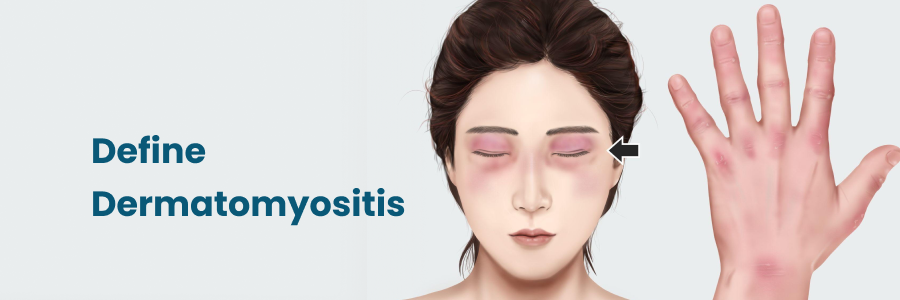
Dermatomyositis, also known as DM, is a type of inflammatory myopathy. The term "dermatomyositis" means inflammation of the skin and muscles. It is characterized by chronic muscle inflammation accompanied by muscle weakness and a distinctive skin rash.
Defining Dermatomyositis
Dermatomyositis is a systemic connective tissue disease related to polymyositis. While polymyositis involves muscle inflammation without skin involvement, dermatomyositis includes both muscle and skin inflammation. This condition can affect various parts of the body and lead to complications if not properly managed.
Causes of Dermatomyositis
The precise causes of dermatomyositis have yet to be entirely understood. However, it is believed to be an autoimmune disorder in which the immune system attacks the body's own cells. Factors such as genetic predisposition, infections, and environmental triggers may contribute to the development of dermatomyositis.
Symptoms of Dermatomyositis
Dermatomyositis manifests through a variety of symptoms, some of which are characteristic and aid in diagnosis.
Muscle Weakness
One of the hallmark symptoms of dermatomyositis is progressive muscle weakness. This weakness typically affects the muscles closest to the trunk, such as the hips, thighs, shoulders, and upper arms. Patients may experience difficulty in performing everyday activities like climbing stairs, standing from a seated position, or lifting objects.
Skin Rash
Another defining feature of dermatomyositis is a distinctive skin rash. This rash may appear before or after the onset of muscle weakness and can be found on various parts of the body, including the face, neck, chest, back, and knuckles. The rash is often reddish or purplish and may be itchy or painful.
Additional Symptoms
In addition to muscle weakness and skin rash, dermatomyositis can cause other symptoms, such as:
- Fatigue : Persistent tiredness and a lack of energy.
- Joint Pain: Aching or swollen joints.
- Dysphagia: Difficulty swallowing.
- Calcinosis: Formation of calcium deposits under the skin.
- Fever: Elevated body temperature.
Diagnosing Dermatomyositis
Diagnosing dermatomyositis involves a combination of clinical evaluation, laboratory tests, imaging studies, and biopsy procedures.
Clinical Evaluation
A thorough clinical examination is essential for diagnosing dermatomyositis. Physicians will assess muscle strength, skin changes, and other related symptoms. A detailed medical history is also crucial to identify any potential triggers or risk factors.
Laboratory Tests
Several laboratory tests can aid in the diagnosis of dermatomyositis:
- Blood Tests: Elevated levels of muscle enzymes such as creatine kinase (CK) and aldolase indicate muscle inflammation.
- Autoantibody Tests: Detection of specific autoantibodies associated with dermatomyositis, such as anti-Mi-2 and anti-Jo-1.
- Electromyography (EMG): Measures the electrical activity of muscles and helps identify abnormal muscle function.
Imaging Studies
Imaging techniques such as magnetic resonance imaging (MRI) can provide detailed images of muscle inflammation and help in assessing the extent of muscle damage.
Biopsy Procedures
A muscle or skin biopsy may be performed to confirm the diagnosis of dermatomyositis. During a biopsy, a small sample of muscle or skin tissue is extracted and examined under a microscope for signs of inflammation and other characteristic changes.
Treatment Options for Dermatomyositis
Treatment for dermatomyositis aims to manage symptoms, reduce inflammation, and improve overall quality of life. A multidisciplinary approach involving rheumatologists, dermatologists, and other specialists is often required.
Medications
Several medications are commonly used to treat dermatomyositis:
- Corticosteroids: These anti-inflammatory drugs are often the first line of treatment for dermatomyositis. They help reduce muscle inflammation and improve muscle strength.
- Immunosuppressive Agents: Medications such as methotrexate, azathioprine, and mycophenolate mofetil suppress the immune system and are used to manage severe or refractory cases.
- Biologic Agents: Drugs like rituximab and intravenous immunoglobulin (IVIG) may be prescribed for patients who do not respond to standard treatments.
Physical Therapy
Physical therapy plays a crucial role in managing dermatomyositis. A tailored exercise program can help improve muscle strength, flexibility, and overall bodily function. Physical therapists work closely with patients to design safe and effective exercise routines.
Skin Care
Proper skin care is essential for managing the rash associated with dermatomyositis. Dermatologists may recommend topical corticosteroids, moisturizers, and sun protection measures to alleviate skin symptoms and prevent flare-ups.
Your health is everything - prioritize your well-being today.
Schedule Your AppointmentLifestyle Modifications
Adopting certain lifestyle modifications can help manage dermatomyositis more effectively:
- Balanced Diet: A nutritious diet rich in fruits, vegetables, and lean proteins can support overall health and immune function.
- Regular Exercise: Engaging in regular physical activity, as recommended by a healthcare professional, can help maintain muscle strength and flexibility.
- Stress Management: Practicing stress-reduction techniques such as meditation, yoga, and deep breathing exercises can help manage the emotional impact of the disease.
Conclusion
Dermatomyositis is a complex and challenging condition that requires a comprehensive and multidisciplinary approach to diagnosis and treatment. By understanding the symptoms, causes, and treatment options, patients can take proactive steps to manage their condition and improve their quality of life. If you suspect you or a loved one may have dermatomyositis, it is crucial to seek medical attention promptly to ensure timely diagnosis and appropriate treatment.
Frequently Asked Questions
Dermatomyositis is an inflammatory disease characterized by muscle weakness and distinctive skin rashes.
The exact cause is unknown, but it may involve autoimmune responses and environmental factors.
Symptoms include muscle weakness, skin rashes, and fatigue, often worsening over time.
Diagnosis may involve blood tests, imaging studies, and muscle biopsies to assess muscle function.
Treatments may include corticosteroids and immunosuppressants to manage symptoms and inflammation.
- Cardiology
- Case Studies
- Dermatology
- Endocrinology
- ENT
- Fertility
- Gastroenterology
- General
- General-Medicine
- Gynecology
- Hematology
- Infectious-Diseases
- Medical News
- Neurology
- Oncology
- Ophthalmology
- Orthopedics
- Pediatrics
- Procedure
- Public-Health
- Pulmonology
- Radiology
- Second Opinion
- Urology
- Wellness
- Woman-and-child
Related Blogs
Still have questions? Speak with our experts now!
040-68334455


