 Call
Call Patient Reports
- Cardiology 84
- Dermatology 45
- Endocrinology 33
- ENT 16
- Fertility 190
- Gastroenterology 78
- General-Medicine 81
- Gynecology 80
- Hematology 19
- Infectious-Diseases 33
- Neurology 52
- Oncology 34
- Ophthalmology 23
- Orthopedics 69
- Pediatrics 31
- Procedure 23
- Public-Health 144
- Pulmonology 59
- Radiology 8
- Urology 68
- Wellness 161
- Woman-and-child 77
- 3032
- 3.5 Minute
Clearing Up Contraception Myths: What Women Need to Know
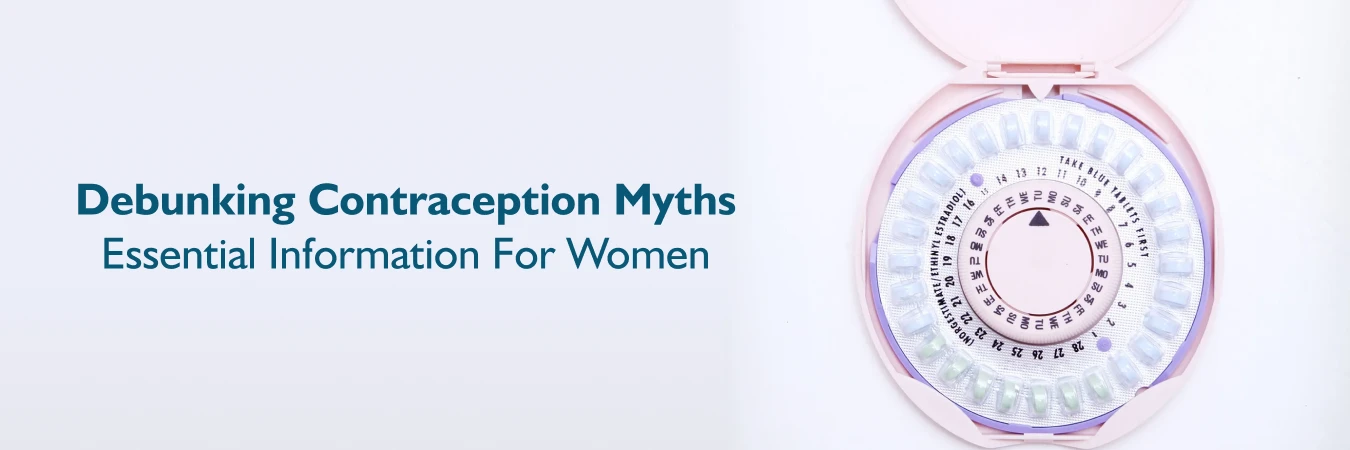
Contraception, often referred to as birth control or family planning, plays a crucial role in women's reproductive health and autonomy. Yet, despite its significance, there are numerous myths and misconceptions surrounding contraception that can lead to confusion and misinformation.
In this blog, we will debunk some common contraception myths and provide essential information for women seeking to make informed choices about their reproductive health, with a particular focus on contraceptive pills.
Myth and Facts of Contraception
Myth 1:Contraceptive Pills are Harmful to Long-Term Health
Fact : Many studies have shown that contraceptive pills are safe for long-term use with minimal health risks. They undergo rigorous testing and regulation to ensure safety.
Get a second opinion from trusted experts and makeconfident, informed decisions.
Get Second OpinionNot sure where to start?
Talk to a patient care advisor — free, confidential, 24/7. We'll match you to the right specialist and book your appointment in minutes.
Myth 2:Contraceptive Pills Cause Weight Gain
Fact : While some women may experience minor weight fluctuations initially, research indicates that significant weight gain is not a common side effect. Maintaining a healthy lifestyle can help manage any potential changes.
Myth 3:You Need a Break From Contraceptive Pills
Fact : There is no medical need to take breaks from contraceptive pills. Continuous use is safe and can help prevent unintended pregnancies. Consult your healthcare provider for personalised advice.
Myth 4:Birth Control Pills Offer No Health Benefits Beyond Contraception
Fact : Birth control pills can also regulate menstrual cycles, reduce cramps, and lower the risk of conditions like ovarian cysts and endometrial cancer. They can also improve acne and symptoms of PCOS.
Myth 5:Contraceptive Pills Are 100% Effective
Fact : While highly effective when used correctly, no contraceptive method, including pills, is 100% foolproof. Consistent and correct use is crucial for maximum effectiveness.
Myth 6:You Shouldn't Use Contraceptive Pills While Breastfeeding
Fact : Certain pills, like progesterone-only pills or "mini-pills," are safe to use while breastfeeding and do not affect milk supply. Consult your doctor to find the best option for you.
Myth 7:Contraception Is Only for Women
Fact : Both men and women share responsibility for contraception. Men can use condoms, undergo vasectomy, or use withdrawal methods to contribute to family planning.
Your health is everything - prioritize your well-being today.
Schedule Your AppointmentMyth 8:Contraception Causes Infertility
Fact : Using contraception, including hormonal methods, does not cause long-term infertility. Fertility typically returns after discontinuation of contraception.
Myth 9:You Can't Get Pregnant on Your Period
Fact : While less likely, pregnancy during menstruation is possible, especially with shorter or irregular cycles. Using contraception is advisable if you wish to avoid pregnancy.
Myth 10:Emergency Contraception Is the Same as Abortion
Fact : Emergency contraception prevents pregnancy by delaying ovulation or preventing fertilization. It does not terminate an established pregnancy and is a safe option after unprotected sex or contraceptive failure.
Conclusion
For women to be able to make decisions about their reproductive health, it is essential to debunk common myths regarding contraception. When taken properly, contraceptive pills, one of the various choices available, are typically safe and effective. It's crucial to speak with a healthcare professional to determine the best contraceptive option for your needs and lifestyle
Frequently Asked Questions
There are various types of contraceptive pills available, including combination pills (containing both estrogen and progestin) and progestin-only pills (mini-pills). It is important to contact a healthcare expert to decide the best sort of pill for your specific health needs and potential adverse effects.
No, contraceptive pills do not protect against STIs. They are primarily used for preventing pregnancy. For protection against STIs, it's advisable to use barrier methods like condoms.
If you miss taking your contraceptive pill, follow the instructions provided with your specific pill type. In many cases, you may need to take the missed pill as soon as you remember and continue with the regular schedule. Backup contraception may be necessary depending on the timing of the missed pill.
Contraceptive pills are generally safe for long-term use. However, some individuals may experience side effects, such as irregular bleeding, changes in mood, or minor weight fluctuations. Discuss any concerns with your healthcare provider, as they can help you find a pill with fewer side effects.
Using contraception, including contraceptive pills, does not typically impact your ability to conceive in the future. Most individuals regain their fertility shortly after discontinuing contraception. If you have concerns about fertility or family planning, consult a healthcare provider for guidance.
Yes, many women can use progestin-only contraceptive pills while breastfeeding. These pills do not significantly affect milk supply or the health of the baby. However, it's essential to consult with a healthcare provider to select a suitable option for your postpartum needs.
Contraceptive pills can be prescribed to women of various ages, depending on their individual health and circumstances. Younger women and teenagers can use them, but it's essto consult with a healthcare provider to ensure they are a safe and appropriate choice.
- Cardiology
- Case Studies
- Dermatology
- Endocrinology
- ENT
- Fertility
- Gastroenterology
- General
- General-Medicine
- Gynecology
- Hematology
- Infectious-Diseases
- Medical News
- Neurology
- Oncology
- Ophthalmology
- Orthopedics
- Pediatrics
- Procedure
- Public-Health
- Pulmonology
- Radiology
- Second Opinion
- Urology
- Wellness
- Woman-and-child
Related Blogs
Still have questions? Speak with our experts now!
040-68334455


