 Call
Call Patient Reports
- Cardiology 84
- Dermatology 45
- Endocrinology 33
- ENT 16
- Fertility 190
- Gastroenterology 78
- General-Medicine 81
- Gynecology 80
- Hematology 19
- Infectious-Diseases 33
- Neurology 52
- Oncology 34
- Ophthalmology 23
- Orthopedics 69
- Pediatrics 31
- Procedure 23
- Public-Health 144
- Pulmonology 59
- Radiology 8
- Urology 68
- Wellness 161
- Woman-and-child 77
- 3912
- 3.2 Minute
COVID XEC Variant vs. Flu Season
In the current health landscape, understanding the distinctions and intersections between various viral infections is crucial. This is particularly pertinent as we navigate the flu season amidst the emergence of the COVID XEC variant. This article delves into the symptom overlap between flu and COVID, explores how contagious the COVID XEC variant is, and offers strategies for managing the flu season during the COVID XEC outbreak. Additionally, we will examine the infection rates of the COVID XEC variant and discuss the role of vaccines in providing protection against both the flu and the COVID XEC variant.
Get a second opinion from trusted experts and makeconfident, informed decisions.
Get Second OpinionNot sure where to start?
Talk to a patient care advisor — free, confidential, 24/7. We'll match you to the right specialist and book your appointment in minutes.
Symptom Overlap Between Flu and COVID
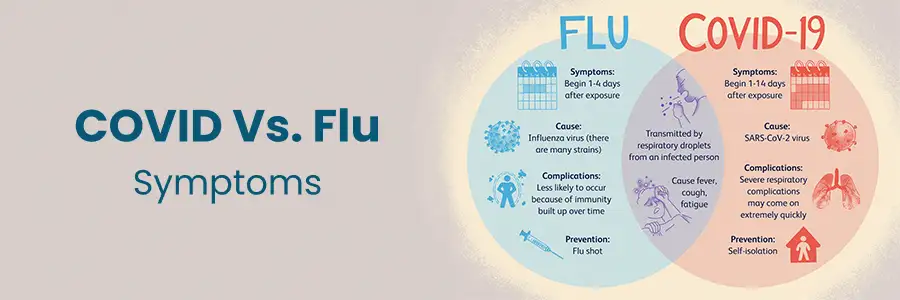
Both the flu and COVID-19 present with similar symptoms, making it challenging to distinguish between the two based solely on clinical presentation. Common symptoms shared by both infections include:
- Fever or chills
- Cough
- Shortness of breath or difficulty breathing
- Fatigue
- Sore throat
- Runny or stuffy nose
- Muscle or body aches
- Headache
However, there are nuanced differences. For instance, COVID-19 is more likely to cause a loss of taste or smell, while gastrointestinal symptoms such as nausea, vomiting, and diarrhea are more prevalent in flu cases, especially in children. Understanding these subtleties is vital for accurate diagnosis and treatment.
COVID vs. Flu Symptoms
Distinguishing Features
While there is substantial symptom overlap, some features are more specific to each virus. COVID-19 is more likely to cause severe respiratory complications, including acute respiratory distress syndrome (ARDS), which can necessitate hospitalization and intensive care.
Symptom Duration and Onset
COVID-19 symptoms generally appear 2-14 days after exposure, while flu symptoms typically manifest 1-4 days post-exposure. The duration of illness also varies, with COVID-19 potentially resulting in prolonged symptoms, sometimes lasting weeks or even months (a phenomenon known as "long COVID"), whereas the flu usually resolves within a week or two.
How Contagious Is the COVID XEC Variant?
The COVID XEC variant has demonstrated a higher transmission rate compared to previous strains. This increased contagiousness is attributed to several factors:
Enhanced Viral Load
Studies indicate that individuals infected with the COVID XEC variant may carry a higher viral load, meaning they have more virus particles in their respiratory secretions, which can facilitate easier spread to others.
Shortened Incubation Period
The incubation period for the COVID XEC variant appears to be shorter, which means that individuals may become infectious sooner after exposure, further contributing to the rapid spread of the virus.
Vaccine Evasion
Preliminary data suggests that the COVID XEC variant may partially evade immunity conferred by previous infection or vaccination, underscoring the importance of booster doses and updated vaccines.
Managing Flu Season During the COVID XEC Outbreak
Vaccination Campaigns
One of the most effective strategies for managing the concurrent threats of flu and COVID-19 is robust vaccination campaigns. Health authorities are urging individuals to receive both the flu vaccine and COVID-19 boosters to reduce the burden of these illnesses on healthcare systems.
Public Health Measures
Continued adherence to public health measures such as mask-wearing, hand hygiene, and social distancing remains critical. These measures not only reduce the spread of COVID-19 but also mitigate the transmission of the flu.
Testing and Diagnosis
Accurate and timely testing is essential for distinguishing between COVID-19 and the flu. Rapid antigen tests and PCR tests are widely available and should be utilized to confirm diagnoses and guide treatment decisions.
COVID XEC Variant Infection Rates
Global Perspective
The infection rates of the COVID XEC variant have been rising globally. Epidemiological data shows significant upticks in cases in regions where the variant has become dominant. This trend underscores the need for continuous surveillance and adaptive public health responses.
Regional Variations
Infection rates can vary widely based on regional factors, including vaccination coverage, public health measures, and population density. Monitoring these variations helps tailor local responses and allocate resources more effectively.
Flu Season in the COVID Era
The co-circulation of the flu and COVID-19 presents unique challenges. Healthcare systems must be prepared to handle surges in respiratory illnesses, ensuring adequate staffing, resources, and facilities to manage increased patient loads.
Dual Threat to Vulnerable Populations
Certain populations, such as the elderly, immunocompromised individuals, and those with chronic health conditions, are particularly vulnerable to severe outcomes from both the flu and COVID-19. Targeted interventions, including prioritizing these groups for vaccination and ensuring access to early treatment, are essential.
Impact on Healthcare Systems
The simultaneous occurrence of flu and COVID-19 can strain healthcare resources. Hospitals and clinics must plan for potential surges, including stockpiling necessary supplies, expanding capacity, and implementing protocols to prevent healthcare-associated infections.
Vaccines for COVID XEC Variant and Flu
Efficacy and Updates
Vaccines remain the cornerstone of preventing severe illness from both the flu and COVID-19. Current flu vaccines are updated annually to match circulating strains, and similar updates are being pursued for COVID-19 vaccines to enhance efficacy against emerging variants, including the COVID XEC variant.
Co-administration
Recent studies have shown that co-administration of flu and COVID-19 vaccines is safe and effective. This approach simplifies vaccination efforts and increases coverage, particularly in populations with lower healthcare access.
Boosters and Antiviral Treatments
Boosters for COVID-19 are recommended to maintain immunity, especially against variants like COVID XEC. Additionally, antiviral treatments for both flu (such as oseltamivir) and COVID-19 (such as remdesivir and monoclonal antibodies) are available and should be utilized appropriately to reduce the severity and duration of illness.
Flu Shots and COVID XEC Variant Protection
Importance of Dual Protection
Receiving both the flu shot and the COVID-19 vaccine provides dual protection, significantly reducing the risk of severe illness, hospitalization, and death from either virus. Health experts recommend that everyone eligible should receive both vaccines.
Addressing Vaccine Hesitancy
Combating vaccine hesitancy is crucial. Clear communication about the safety, efficacy, and importance of both vaccines can help increase uptake and ensure broader community protection.
Your health is everything - prioritize your well-being today.
Schedule Your AppointmentConclusion
Navigating flu season during the COVID XEC variant outbreak requires a multifaceted approach. By understanding the symptom overlap between flu and COVID-19, recognizing the heightened contagiousness of the COVID XEC variant, and employing effective management strategies, we can mitigate the impact of these viruses. Vaccination remains our most powerful tool, and concerted efforts to promote and administer flu and COVID-19 vaccines are essential. Through vigilant public health measures, continuous surveillance, and community education, we can protect vulnerable populations and reduce the strain on healthcare systems during this challenging time.
Frequently Asked Questions
Symptoms of the COVID XEC variant and seasonal flu can be similar, including fever, cough, and fatigue. However, COVID-19 may also cause loss of taste or smell, which is less common in the flu.
COVID-19, including the XEC variant, can range from mild to severe, with a higher potential for severe outcomes compared to seasonal flu.
Both the XEC variant and flu are transmitted through respiratory droplets, but COVID-19 is generally more contagious and can spread more rapidly.
Preventive measures for both include vaccination, hand hygiene, mask-wearing, and avoiding close contact with sick individuals.
COVID-19 vaccines, including those adapted for new variants like XEC, aim to reduce severe illness and transmission, while flu vaccines are updated annually to match circulating strains.
- Cardiology
- Case Studies
- Dermatology
- Endocrinology
- ENT
- Fertility
- Gastroenterology
- General
- General-Medicine
- Gynecology
- Hematology
- Infectious-Diseases
- Medical News
- Neurology
- Oncology
- Ophthalmology
- Orthopedics
- Pediatrics
- Procedure
- Public-Health
- Pulmonology
- Radiology
- Second Opinion
- Urology
- Wellness
- Woman-and-child
Related Blogs
Still have questions? Speak with our experts now!
040-68334455


