 Call
Call Patient Reports
- Cardiology 84
- Dermatology 45
- Endocrinology 33
- ENT 16
- Fertility 190
- Gastroenterology 78
- General-Medicine 81
- Gynecology 80
- Hematology 19
- Infectious-Diseases 33
- Neurology 52
- Oncology 34
- Ophthalmology 23
- Orthopedics 69
- Pediatrics 31
- Procedure 23
- Public-Health 144
- Pulmonology 59
- Radiology 8
- Urology 68
- Wellness 161
- Woman-and-child 77
- 3912
- 3.7 Minute
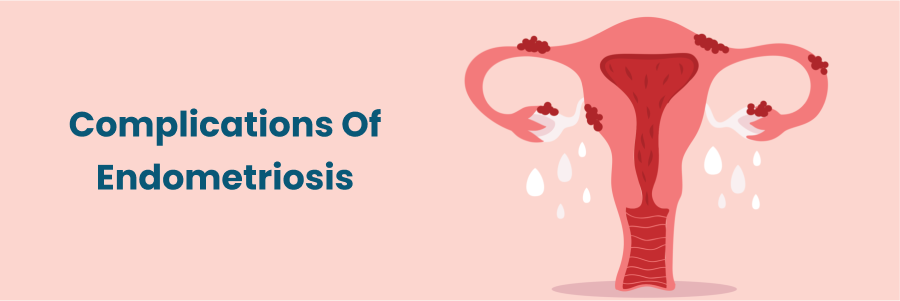
Complications of Endometriosis
Endometriosis is a chronic condition that affects many women worldwide. It occurs when tissue similar to the lining inside the uterus starts to grow outside the uterus. This condition can cause severe pain, especially during menstruation, and can lead to other health complications. In this article, we will discuss the complications of endometriosis and how to manage the pain associated with it.
Get a second opinion from trusted experts and makeconfident, informed decisions.
Get Second OpinionNot sure where to start?
Talk to a patient care advisor — free, confidential, 24/7. We'll match you to the right specialist and book your appointment in minutes.
What is Endometriosis?
Endometriosis can be difficult to diagnose because its symptoms are similar to those of other conditions. The primary symptom is pelvic pain, which is often associated with menstrual periods. However, women with endometriosis may experience pain that is far more severe than typical menstrual cramps. Other symptoms include:
- Pain during intercourse
- Pain with bowel movements or urination
- Excessive bleeding
- Infertility
- Fatigue, diarrhea, constipation, bloating, and nausea
What are the Complications of Endometriosis?
Endometriosis can lead to several complications, some of which can significantly impact a woman's quality of life. Understanding these complications is crucial for effective pain management and overall health.
Infertility
One of the most serious complications of endometriosis is infertility. Up to 30-50% of women with endometriosis may experience difficulty getting pregnant. The condition can cause scarring and adhesions, which can obstruct the fallopian tubes and prevent the egg and sperm from meeting.
Chronic Pain
Chronic pelvic pain is another significant complication. This pain can be constant or intermittent and can be debilitating. It can affect a woman's ability to work, participate in daily activities, and enjoy a good quality of life.
Ovarian Cysts
Endometriosis can also cause the formation of cysts on the ovaries, known as endometriomas or "chocolate cysts." These cysts can cause severe pain and may need to be surgically removed.
Bowel and Bladder Issues
In some cases, endometriosis can spread to the intestines or bladder, causing pain and issues with bowel movements or urination. This can lead to symptoms such as constipation, diarrhea, painful bowel movements, and blood in the urine.
Managing Endometriosis Pain
Managing the pain associated with endometriosis involves a combination of medical treatments, lifestyle changes, and alternative therapies. Here are some effective strategies for pain relief.
Medications
Several medications can help manage endometriosis-related pain. These include:
- Nonsteroidal anti-inflammatory drugs (NSAIDs): Over-the-counter pain relievers like ibuprofen and naproxen can help reduce inflammation and alleviate pain.
- Hormonal therapies: Birth control pills, progestin therapy, and gonadotropin-releasing hormone (GnRH) agonists can help control the growth of endometrial tissue and reduce pain.
- Pain relievers: In severe cases, prescription pain medications may be necessary to manage chronic pain.
Surgery
In some cases, surgery may be necessary to remove endometrial tissue and alleviate pain. Surgical options include:
- Laparoscopy: A minimally invasive procedure where a surgeon removes or destroys endometrial tissue.
- Laparotomy: A more invasive procedure that involves a larger incision to remove endometrial growths.
- Hysterectomy: In severe cases, removing the uterus and possibly the ovaries may be necessary. This is usually considered a last resort when other treatments have failed.
Lifestyle Changes
Making certain lifestyle changes can also help manage endometriosis pain. These include:
- Diet: Eating a balanced diet rich in fruits, vegetables, and whole grains can help reduce inflammation. Some women find relief by avoiding foods that trigger their symptoms, such as dairy, gluten, and processed foods.
- Exercise: Regular physical activity can help reduce pain and improve overall well-being. Activities like yoga, swimming, and walking are particularly beneficial.
- Stress management: Techniques such as meditation, deep breathing exercises, and mindfulness can help manage stress, which can exacerbate pain.
Alternative Therapies
Many women find relief from endometriosis pain through alternative therapies. These include:
- Acupuncture: This ancient Chinese practice involves inserting thin needles into specific points on the body to relieve pain and improve overall health.
- Physical therapy: Specialized physical therapy techniques, such as pelvic floor therapy, can help alleviate pain and improve function.
- Herbal remedies: Some women find relief with herbal supplements, such as turmeric, ginger, and evening primrose oil. However, it's essential to consult with a healthcare provider before trying any new supplements.
Coping with Endometriosis
Living with endometriosis can be challenging, but there are ways to cope with the condition and maintain a good quality of life. Here are some tips:
- Seek support: Joining a support group or connecting with others who have endometriosis can provide emotional support and valuable information.
- Educate yourself: Learning about endometriosis and its treatments can empower you to make informed decisions about your care.
- Work with your healthcare team: Developing a strong relationship with your healthcare providers can help ensure you receive the best possible care.
- Prioritize self-care: Taking time for yourself and engaging in activities that bring you joy can help improve your overall well-being.
Conclusion
Endometriosis is a complex condition that can cause severe pain and other complications. However, with the right combination of medical treatments, lifestyle changes, and alternative therapies, it is possible to manage the pain and improve your quality of life. If you suspect you have endometriosis or are struggling with pain, consult with a healthcare provider to develop a personalized treatment plan.
Remember, you are not alone in this journey. With the right support and resources, you can take control of your health and manage the complications of endometriosis effectively.
Your health is everything - prioritize your well-being today.
Schedule Your AppointmentFrequently Asked Questions
Complications include chronic pain, infertility, and potential damage to surrounding organs. Management involves addressing symptoms and underlying issues.
Pain management strategies include medication, hormonal therapy, and sometimes surgery.
Treatment options can include pain relief medications, hormonal therapies, and surgical interventions.
Symptoms such as pelvic pain, menstrual irregularities, and pain during intercourse should be managed.
Endometriosis can lead to significant health issues including chronic pain and potential fertility problems.
- Cardiology
- Case Studies
- Dermatology
- Endocrinology
- ENT
- Fertility
- Gastroenterology
- General
- General-Medicine
- Gynecology
- Hematology
- Infectious-Diseases
- Medical News
- Neurology
- Oncology
- Ophthalmology
- Orthopedics
- Pediatrics
- Procedure
- Public-Health
- Pulmonology
- Radiology
- Second Opinion
- Urology
- Wellness
- Woman-and-child
Related Blogs
Still have questions? Speak with our experts now!
040-68334455


