 Call
Call Patient Reports
- Cardiology 84
- Dermatology 45
- Endocrinology 33
- ENT 16
- Fertility 190
- Gastroenterology 78
- General-Medicine 81
- Gynecology 80
- Hematology 19
- Infectious-Diseases 33
- Neurology 52
- Oncology 34
- Ophthalmology 23
- Orthopedics 69
- Pediatrics 31
- Procedure 23
- Public-Health 144
- Pulmonology 59
- Radiology 8
- Urology 68
- Wellness 161
- Woman-and-child 77
- 3759
- 3.5 Minute
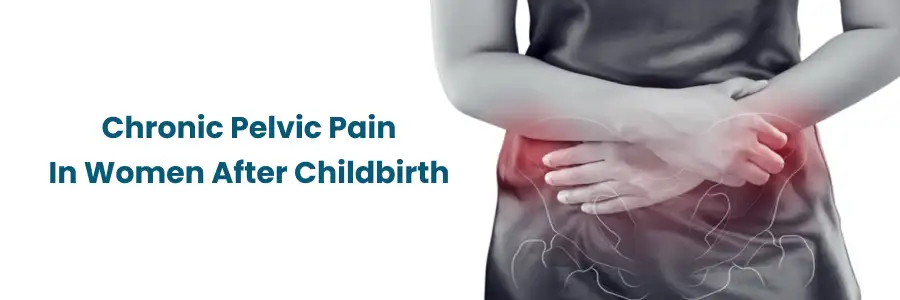
Chronic Pelvic Pain in Women After Childbirth
Childbirth is a monumental event that brings joy and fulfillment but can also introduce a variety of physical challenges. One such challenge is chronic pelvic pain, a condition that affects many women postpartum. This article delves into the reasons for pelvic pain, its potential causes, and how to manage it effectively.
Understanding Chronic Pelvic Pain
Chronic pelvic pain is a persistent pain in the lower abdomen or pelvic region that lasts for six months or longer. This type of pain can be debilitating and interfere with daily activities, making it crucial to understand its causes and find ways to manage it.
Get a second opinion from trusted experts and makeconfident, informed decisions.
Get Second OpinionNot sure where to start?
Talk to a patient care advisor — free, confidential, 24/7. We'll match you to the right specialist and book your appointment in minutes.
Common Causes of Pelvic Pain After Childbirth
Several factors can contribute to chronic pelvic pain in women after childbirth. Understanding these causes is the first step towards effective management.
Hormonal Changes
After childbirth, a woman's body undergoes significant hormonal changes. The drop in estrogen levels can weaken the pelvic muscles and tissues, leading to pain and discomfort.
Pelvic Floor Dysfunction
The pelvic floor is a group of muscles that support the bladder, uterus, and rectum. During childbirth, these muscles can become stretched or damaged, resulting in pelvic floor dysfunction. This condition can cause pain, urinary incontinence, and discomfort during intercourse.
Scar Tissue and Adhesions
Scar tissue and adhesions can form as a result of cesarean sections, episiotomies, or tears during vaginal delivery. These tissues can bind together internal organs and cause significant pain.
Endometriosis
Endometriosis occurs when tissue similar to the lining inside the uterus starts to grow outside the uterus. This condition can be exacerbated by childbirth and lead to chronic pelvic pain.
Infections
Postpartum infections, such as endometritis (infection of the uterine lining), can cause severe pelvic pain. It's essential to seek medical attention if you experience symptoms of an infection, such as fever, chills, or foul-smelling discharge.
Managing Chronic Pelvic Pain
Managing chronic pelvic pain involves a combination of medical treatments and lifestyle changes. Here are some effective strategies:
Medical Treatments
Medications
Over-the-counter pain relievers like ibuprofen or acetaminophen can help manage mild to moderate pain. In more severe cases, a doctor may prescribe stronger medications or muscle relaxants.
Physical Therapy
Physical therapy can be beneficial for women experiencing pelvic floor dysfunction. A specialized physical therapist can teach exercises to strengthen pelvic muscles and alleviate pain.
Lifestyle Changes
Exercise
Regular exercise can improve overall health and help manage pain. Activities like walking, swimming, and yoga are gentle on the body and can be particularly beneficial.
Diet
A balanced diet rich in fruits, vegetables, and whole grains can reduce inflammation and promote healing. Staying hydrated is also crucial for overall health.
Alternative Therapies
Acupuncture
Acupuncture involves inserting thin needles into specific points on the body to relieve pain. Some women find this traditional Chinese medicine technique helpful for managing chronic pelvic pain.
Massage Therapy
Massage therapy can help relax tense muscles and improve circulation, which may alleviate pain. A therapist experienced in postpartum massage can provide targeted relief.
When to See a Doctor
It's essential to consult a healthcare provider if you experience persistent pelvic pain. A doctor can perform a thorough evaluation, including a pelvic exam and imaging tests, to determine the underlying cause of your pain and recommend appropriate treatment.
Your health is everything - prioritize your well-being today.
Schedule Your AppointmentConclusion
Chronic pelvic pain in women after childbirth is a complex issue with multiple potential causes. Understanding these causes and exploring various management strategies can help alleviate discomfort and improve quality of life. If you experience persistent pelvic pain, consult a healthcare provider for a proper diagnosis and treatment plan.
By addressing the root causes and utilizing a combination of medical treatments, lifestyle changes, and alternative therapies, you can take control of your health and well-being.
Frequently Asked Questions
Causes can include pelvic floor dysfunction, residual scar tissue, endometriosis, and uterine prolapse.
Pelvic floor dysfunction can cause pain and discomfort due to weakened or tight muscles after childbirth.
Yes, scar tissue from tears or episiotomy can cause pain and sensitivity in the pelvic area.
Endometriosis can cause persistent pelvic pain due to the growth of endometrial tissue outside the uterus.
Diagnosis involves a thorough evaluation including physical exams and imaging, with treatment options ranging from physical therapy to medication or surgery.
- Cardiology
- Case Studies
- Dermatology
- Endocrinology
- ENT
- Fertility
- Gastroenterology
- General
- General-Medicine
- Gynecology
- Hematology
- Infectious-Diseases
- Medical News
- Neurology
- Oncology
- Ophthalmology
- Orthopedics
- Pediatrics
- Procedure
- Public-Health
- Pulmonology
- Radiology
- Second Opinion
- Urology
- Wellness
- Woman-and-child
Related Blogs
Still have questions? Speak with our experts now!
040-68334455


