 Call
Call Patient Reports
- Cardiology 84
- Dermatology 45
- Endocrinology 33
- ENT 16
- Fertility 190
- Gastroenterology 78
- General-Medicine 81
- Gynecology 80
- Hematology 19
- Infectious-Diseases 33
- Neurology 52
- Oncology 34
- Ophthalmology 23
- Orthopedics 69
- Pediatrics 31
- Procedure 23
- Public-Health 144
- Pulmonology 59
- Radiology 8
- Urology 68
- Wellness 161
- Woman-and-child 77
- 3118
- 3.1 Minute
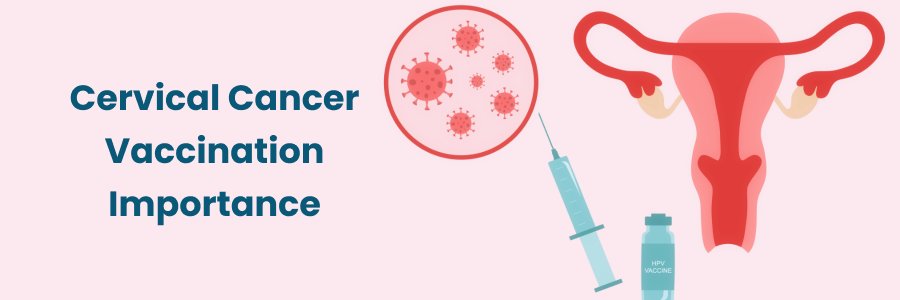
Importance of Cervical Cancer Vaccination
Vaccination is one of the most effective ways to prevent certain types of cancer, including cervical cancer. In this article, we will explore why getting vaccinated against cervical cancer is crucial, how it works, and the benefits it brings to individuals and society.
Understanding Cervical Cancer
Cervical cancer is a type of cancer that begins in the cells of the cervix, which is the lower part of the uterus that connects to the vagina. It is primarily caused by the human papillomavirus (HPV), a common virus that can be passed from one person to another through sexual contact.
Get a second opinion from trusted experts and makeconfident, informed decisions.
Get Second OpinionNot sure where to start?
Talk to a patient care advisor — free, confidential, 24/7. We'll match you to the right specialist and book your appointment in minutes.
How HPV Causes Cervical Cancer
HPV is a group of viruses, and some types can lead to cervical cancer. When a person is infected with a high-risk type of HPV, the virus can cause changes in the cells of the cervix. Over time, these changes can develop into cancer if not detected and treated early.
Role of the HPV Vaccine
The HPV vaccine is designed to protect against the types of HPV that most commonly cause cervical cancer. By getting vaccinated, individuals can significantly reduce their risk of developing cervical cancer.
How the HPV Vaccine Works
The HPV vaccine stimulates the body's immune system to produce antibodies that can fight off the virus. If a vaccinated person is later exposed to HPV, their immune system can recognize and destroy the virus before it causes harm.
Benefits of the Cervical Cancer Vaccine
Preventing Cancer
The most significant benefit of the HPV vaccine is its ability to prevent cervical cancer. Studies have shown that the vaccine is highly effective in preventing infections with the types of HPV it targets. This means fewer cases of cervical cancer and a reduction in the number of deaths caused by this disease.
Reducing Healthcare Costs
Preventing cervical cancer through vaccination can also lead to lower healthcare costs. Treating cancer is expensive, and by reducing the number of cervical cancer cases, we can save money on medical treatments, hospital stays, and other healthcare expenses.
Protecting Against Other Cancers
The HPV vaccine also offers protection against other types of cancers caused by HPV, such as anal, oropharyngeal (throat), and genital cancers. This broad protection makes the vaccine an essential tool in cancer prevention.
Herd Immunity
When a large portion of the population is vaccinated, it creates herd immunity. This means that even those who are not vaccinated are less likely to be exposed to the virus because its spread is limited. Herd immunity helps protect vulnerable individuals, such as those with weakened immune systems or those who cannot receive the vaccine for medical reasons.
Importance of HPV Vaccination
Early Vaccination
The HPV vaccine is most effective when given before individuals are exposed to the virus. This is why it is recommended for preteens, both girls and boys, around the ages of 11 or 12. However, it can still be beneficial for older teens and young adults who have not yet been vaccinated.
Safety and Side Effects
The HPV vaccine has been extensively studied and is considered safe. Most side effects are mild and temporary, such as pain at the injection site, fever, or headache. Serious side effects are rare, and the benefits of vaccination far outweigh the potential risks.
Overcoming Myths and Misconceptions
There are many myths and misconceptions about the HPV vaccine that can deter people from getting vaccinated. It's important to rely on credible sources of information and understand that the vaccine is a safe and effective way to prevent cervical and other types of cancers.
Steps to Get Vaccinated
Talk to Your Healthcare Provider
If you or your child is in the recommended age group for the HPV vaccine, talk to your healthcare provider about getting vaccinated. They can provide information on the vaccine, its benefits, and the vaccination schedule.
Follow the Vaccination Schedule
The HPV vaccine is given in a series of shots. It's important to follow the recommended schedule to ensure full protection. For those starting the series before the age of 15, two doses are typically required. Those starting later may need three doses.
Keep Records
Keep a record of your vaccinations and make sure to complete the series. This will help ensure you are fully protected against HPV.
Conclusion
Vaccination against HPV is a powerful tool in the fight against cervical cancer. By getting vaccinated, you can protect yourself and your loved ones from this potentially deadly disease. The benefits of the HPV vaccine extend beyond individual protection, contributing to overall public health and reducing the burden of cancer on society.
Take action today by talking to your healthcare provider about the HPV vaccine and making sure you and your family are protected. Together, we can work towards a future with fewer cases of cervical cancer and other HPV-related diseases.
Your health is everything - prioritize your well-being today.
Schedule Your AppointmentFrequently Asked Questions
The vaccine helps prevent HPV, a major cause of cervical cancer.
It reduces the risk of developing cervical cancer by protecting against HPV strains.
The vaccine protects against high-risk HPV strains linked to cancer.
Both boys and girls can benefit from the vaccine, ideally before becoming sexually active.
Yes, it has been proven safe and effective in preventing HPV-related cancers.
- Cardiology
- Case Studies
- Dermatology
- Endocrinology
- ENT
- Fertility
- Gastroenterology
- General
- General-Medicine
- Gynecology
- Hematology
- Infectious-Diseases
- Medical News
- Neurology
- Oncology
- Ophthalmology
- Orthopedics
- Pediatrics
- Procedure
- Public-Health
- Pulmonology
- Radiology
- Second Opinion
- Urology
- Wellness
- Woman-and-child
Related Blogs
Still have questions? Speak with our experts now!
040-68334455


