 Call
Call Patient Reports
- Cardiology 84
- Dermatology 45
- Endocrinology 33
- ENT 16
- Fertility 190
- Gastroenterology 78
- General-Medicine 81
- Gynecology 80
- Hematology 19
- Infectious-Diseases 33
- Neurology 52
- Oncology 34
- Ophthalmology 23
- Orthopedics 69
- Pediatrics 31
- Procedure 23
- Public-Health 144
- Pulmonology 59
- Radiology 8
- Urology 68
- Wellness 161
- Woman-and-child 77
- 3581
- 3.9 Minute
Causes of Pelvic Congestion Syndrome Symptoms and Treatments
Pelvic Congestion Syndrome (PCS) is a medical condition that can cause chronic pelvic pain in women. It's often underdiagnosed, which can lead to prolonged suffering. Understanding the signs, causes, and treatment options for PCS is crucial for managing the condition effectively. This article aims to provide comprehensive information to help you recognize and address this often overlooked syndrome.
Get a second opinion from trusted experts and makeconfident, informed decisions.
Get Second OpinionNot sure where to start?
Talk to a patient care advisor — free, confidential, 24/7. We'll match you to the right specialist and book your appointment in minutes.
What is Pelvic Congestion Syndrome?
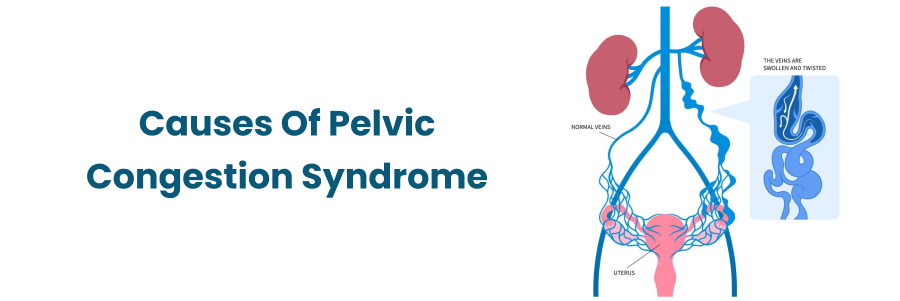
Pelvic Congestion Syndrome occurs when veins in the pelvic area become varicose, which means they are enlarged and twisted. These veins can cause significant pain and discomfort. PCS is similar to varicose veins in the legs, but it happens in the pelvic region.
Who is at Risk?
PCS primarily affects women of childbearing age, particularly those who have had multiple pregnancies. The hormonal changes and the physical strain of pregnancy can weaken the vein walls, making them more susceptible to becoming varicose.
Causes of Pelvic Congestion Syndrome
Understanding the root causes of PCS can help in its prevention and treatment. Here are some common causes:
Hormonal Changes
Hormonal fluctuations, especially increased estrogen levels, can weaken vein walls. This makes them more likely to become varicose.
Pregnancy
Pregnancy puts a lot of strain on the pelvic veins. The increased blood flow and pressure can cause the veins to enlarge and become varicose.
Genetics
If you have a family history of varicose veins or PCS, you are more likely to develop the condition. Genetic factors can influence the strength and elasticity of your vein walls.
Lifestyle Factors
A sedentary lifestyle, obesity, and lack of exercise can contribute to poor vein health, increasing the risk of PCS.
Symptoms of Pelvic Congestion Syndrome
Recognizing the symptoms of PCS is the first step toward getting the right treatment. Common symptoms include:
Chronic Pelvic Pain
One of the most common symptoms is a dull, aching pain in the pelvic area. The pain often worsens after standing for long periods or following sexual intercourse.
Swelling and Heaviness
You may feel a sense of fullness or heaviness in the pelvic area. This can be accompanied by swelling.
Varicose Veins
Visible varicose veins in the thighs, buttocks, or vaginal area can also be a sign of PCS.
Pain During Menstrual Cycle
Many women with PCS report increased pain during their menstrual cycle, which can be debilitating.
Diagnosing Pelvic Congestion Syndrome
Accurate diagnosis is essential for effective treatment. Medical professionals usually employ several methods to diagnose PCS:
Ultrasound
An ultrasound can help visualize the varicose veins and assess blood flow in the pelvic area.
MRI
Magnetic Resonance Imaging (MRI) provides detailed images of the pelvic region, helping to identify any abnormalities.
Venography
This specialized X-ray technique involves injecting a contrast dye into the veins to make them visible on the X-ray, helping to pinpoint the exact location of varicose veins.
Treatments for Pelvic Congestion Syndrome
Once diagnosed, several treatment options are available to manage PCS effectively. The treatment plan can vary depending on the severity of the condition and individual patient needs.
Medications
Pain relievers and anti-inflammatory medications can help manage the symptoms. Hormonal treatments, like birth control pills, can also be effective in regulating hormonal imbalances that contribute to PCS.
Embolization
One of the most effective treatments for PCS is embolization. This minimally invasive procedure involves inserting a catheter into the affected vein and injecting a substance that blocks the vein, reducing blood flow and alleviating pain.
Sclerotherapy
In this procedure, a solution is injected into the varicose veins, causing them to collapse and eventually fade.
Surgical Options
In severe cases, surgical intervention may be required. This could involve removing the affected veins or tying them off to prevent blood flow.
Lifestyle Changes
Adopting a healthier lifestyle can significantly impact the management of PCS. Regular exercise, maintaining a healthy weight, and avoiding prolonged standing can help improve vein health.
Alternative Therapies
Some women find relief through alternative therapies such as acupuncture, yoga, and herbal supplements. While these methods are not scientifically proven to cure PCS, they can help manage symptoms.
Managing Pelvic Congestion Syndrome
Living with PCS can be challenging, but effective management strategies can make a significant difference.
Regular Exercise
Engaging in regular physical activity can improve blood flow and strengthen vein walls. Low-impact exercises like swimming, walking, and cycling are particularly beneficial.
Healthy Diet
A balanced diet rich in fruits, vegetables, and whole grains can help maintain a healthy weight, reducing the strain on your veins.
Stress Management
Chronic pain can be stressful, and stress can, in turn, worsen your symptoms. Techniques like meditation, deep breathing exercises, and mindfulness can help manage stress levels.
Regular Check-ups
Frequent visits to your healthcare provider can help monitor the condition and adjust treatment plans as necessary.
Conclusion
Pelvic Congestion Syndrome is a painful condition that can significantly impact a woman's quality of life. Understanding the causes, recognizing the symptoms, and seeking appropriate treatment can help manage and alleviate the condition. If you suspect you have PCS, consult your healthcare provider for a comprehensive diagnosis and treatment plan.
By adopting a proactive approach, incorporating lifestyle changes, and exploring various treatment options, you can find relief and improve your quality of life. Always consult with your healthcare provider to determine the best course of action tailored to your specific needs.
Your health is everything - prioritize your well-being today.
Schedule Your AppointmentFrequently Asked Questions
Pelvic congestion syndrome is caused by varicose veins in the pelvis that cause chronic pain.
Symptoms include chronic pelvic pain, heaviness, and discomfort.
Treatments include medication, lifestyle changes, and possibly surgery.
Signs include persistent pelvic pain and visible varicose veins.
Management involves a combination of medical and lifestyle interventions.
- Cardiology
- Case Studies
- Dermatology
- Endocrinology
- ENT
- Fertility
- Gastroenterology
- General
- General-Medicine
- Gynecology
- Hematology
- Infectious-Diseases
- Medical News
- Neurology
- Oncology
- Ophthalmology
- Orthopedics
- Pediatrics
- Procedure
- Public-Health
- Pulmonology
- Radiology
- Second Opinion
- Urology
- Wellness
- Woman-and-child
Related Blogs
Still have questions? Speak with our experts now!
040-68334455


