 Call
Call Patient Reports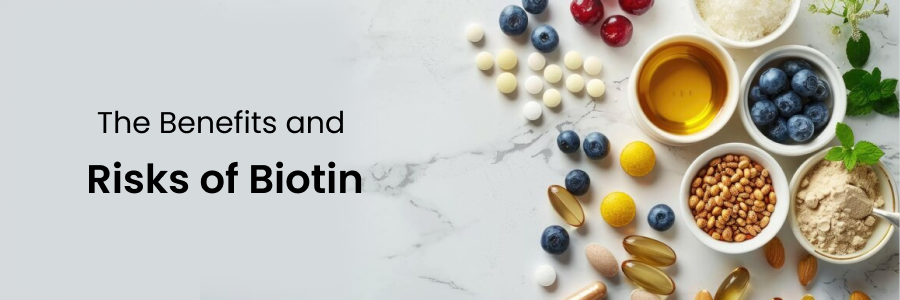
- 3759
- 3.5 Minute
The Amazing Biotin Benefits for Hair Growth and Overall Health
Biotin is a water-soluble B-vitamin, also known as vitamin H and important for the metabolism of carbohydrates, fats and proteins. It is an essential nutrient that your body requires in order to ensure the health of your skin, nails, and hair. Biotin is a coenzyme for carboxylase enzymes, which help these enzymes work better in metabolism of fatty acids and gluconeogenesis by increasing the rate with which they add carbon dioxide to their intended target.
Biotin Benefits
The benefits of biotin extend beyond just bolstering hair health. Biotin enhances the health of the skin and nails, reduces inflammation, improves cognitive function, and aids in blood sugar regulation. Moreover, biotin supplements can be particularly beneficial for pregnant women as they support embryonic growth.
Get a second opinion from trusted experts and makeconfident, informed decisions.
Get Second OpinionNot sure where to start?
Talk to a patient care advisor — free, confidential, 24/7. We'll match you to the right specialist and book your appointment in minutes.
Biotin for Hair Growth
Hair powering and hair loss prevention, the most common use of biotin. Many anecdotal reports back the effectiveness of biotin and is typically found in shampoos, conditioners and hair treatments. Research suggests that deficiency of biotin can cause hair to become thin and fall out, so if you are experiencing such symptoms, then eating foods high in biotin or using it as a supplement might help.
Biotin Rich Foods
For natural biotin intake, one should consume foods that are rich in biotins. Egg yolk, almonds and other nuts & seeds, fatty fish (e.g. salmon), meat proteins e.g. organ meats, legumes, pot-eg lentils, sweet potatoes and spinach are rich in biotin. In general, food is great for these kinds of anti-aging processes and regular consumption can bring you health to a large extent.
Forms of Biotin and Their Unique Benefits
Biotin supplements come in various forms to suit different needs and preferences. Whether you prefer swallowing a pill, adding powder to your smoothie, or applying it topically, there's a biotin format that fits your routine. Here's a breakdown of each type and what makes it beneficial:
1. Benefits of Biotin Tablets
Biotin tablets are among the most commonly used options. They offer a convenient and consistent way to get your daily dose.
Why Choose Biotin Tablets?
- Help promote healthier and thicker hair
- Improve nail strength and reduce brittleness
- Easy to find and generally budget-friendly.
2. Benefits of Biotin Capsules
Biotin capsules are often enriched with additional nutrients like zinc, folic acid, or vitamin C, all of which support hair and skin health.
What Makes Them Stand Out?
- Enhanced nutrient absorption
- May offer longer-lasting freshness and potency
- Can deliver better results when used as part of a multivitamin complex
3. Benefits of Biotin Powder
If you prefer not to take pills, biotin in powder form is a flexible alternative. It can be mixed into beverages like water, juice, or smoothies.
Key Benefits:
- Allows for precise control over dosage
- Great for individuals who struggle with tablets or capsules
- Often absorbed faster due to its soluble form
4. Benefits of Biotin Shampoo
Biotin shampoos are designed for topical use and target the scalp and hair directly. While not as potent as oral supplements, they complement your hair care routine well.
Why Use Biotin Shampoo?
- Stimulates blood flow to the scalp, encouraging hair growth
- Helps minimize hair shedding and breakage
- Adds shine, volume, and strength to weak or thinning hair
Biotin Tablets Side Effects
While biotin supplements are generally considered safe, excessive intake can lead to side effects. High doses of biotin may interfere with laboratory test results, affect insulin release, and cause skin rashes. It is essential to follow the recommended dosage and consult a healthcare provider before starting any new supplementation regimen.
Biotin Deficiency
Biotin deficiency, though rare, can manifest in symptoms like hair loss, skin rashes, brittle nails, and neurological issues. People at risk include those with certain genetic disorders, excessive alcohol consumption, and prolonged use of antibiotics. Early diagnosis and treatment are crucial to mitigate the adverse effects associated with biotin deficiency.
Your health is everything - prioritize your well-being today.
Schedule Your AppointmentConclusion
Biotin plays an integral role in your overall health, offering numerous benefits ranging from improved hair growth to enhanced metabolic functions. A balanced diet rich in biotin foods can naturally maintain adequate biotin levels. However, before turning to biotin tablets, it is imperative to consider potential side effects and consult with a healthcare professional. Understanding the complexities of biotin and its multifaceted role will empower you to make informed decisions about your health.
Frequently Asked Questions
Yes, biotin is generally considered safe during pregnancy, and in fact, biotin needs may increase during this period. However, pregnant women should always consult their doctor before starting biotin supplements.
Biotin supports keratin production, which may help strengthen and enhance the growth of eyebrows and eyelashes. While evidence is mostly anecdotal, some users report fuller lashes and brows with regular biotin use.
Yes, biotin may improve scalp health by enhancing skin hydration and reducing flakiness. It can help address dandruff when deficiency is the underlying cause, especially when combined with a nourishing shampoo.
Children typically get enough biotin from a balanced diet. Supplements should only be given under pediatric guidance to avoid overdose or unnecessary supplementation.
Biotin can interfere with certain lab test results, including thyroid and cardiac tests. It doesn't typically interact with medications, but you should inform your doctor if you're taking biotin regularly.
Common signs of biotin deficiency include thinning hair, red rashes around the eyes, nose, or mouth, brittle nails, and fatigue. A blood test can confirm if you're lacking biotin.
Yes, biotin is safe to use with other vitamins like B-complex, vitamin D, or collagen. In fact, it often works better when combined with supporting nutrients like zinc or folate.
- Cardiology
- Case Studies
- Dermatology
- Endocrinology
- ENT
- Fertility
- Gastroenterology
- General
- General-Medicine
- Gynecology
- Hematology
- Infectious-Diseases
- Medical News
- Neurology
- Oncology
- Ophthalmology
- Orthopedics
- Pediatrics
- Procedure
- Public-Health
- Pulmonology
- Radiology
- Second Opinion
- Urology
- Wellness
- Woman-and-child
Related Blogs
Still have questions? Speak with our experts now!
040-68334455


