 Call
Call Patient Reports
- Cardiology 84
- Dermatology 45
- Endocrinology 33
- ENT 16
- Fertility 190
- Gastroenterology 78
- General-Medicine 81
- Gynecology 80
- Hematology 19
- Infectious-Diseases 33
- Neurology 52
- Oncology 34
- Ophthalmology 23
- Orthopedics 69
- Pediatrics 31
- Procedure 23
- Public-Health 144
- Pulmonology 59
- Radiology 8
- Urology 68
- Wellness 161
- Woman-and-child 77
- 3182
- 3.5 Minute
Top Exercises to Strengthen Your Back Muscles and Prevent Pain
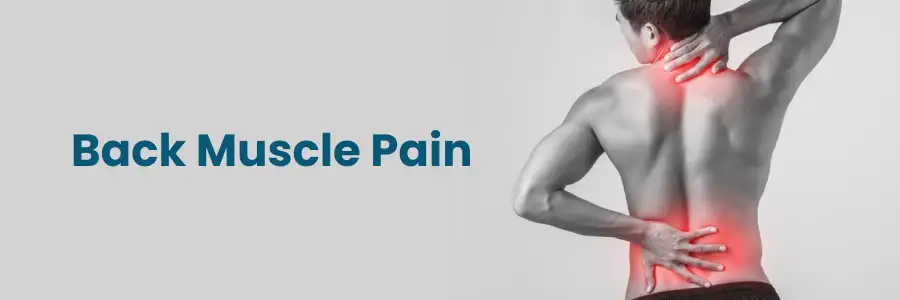
Back muscle pain is a pervasive issue that affects millions of people worldwide. Whether it's due to poor posture, strenuous physical activity, or underlying health conditions, back muscle pain can significantly hinder daily activities and reduce overall quality of life. This article will delve into the various causes of back muscle pain, effective prevention strategies, and a range of treatments designed to alleviate discomfort and promote long-term relief.
Get a second opinion from trusted experts and makeconfident, informed decisions.
Get Second OpinionNot sure where to start?
Talk to a patient care advisor — free, confidential, 24/7. We'll match you to the right specialist and book your appointment in minutes.
Causes of Back Muscle Pain
Understanding the root causes of back muscle pain is crucial for developing effective treatment and prevention strategies.
Lower Back Muscle Pain Causes
Lower back muscle pain is often attributed to several factors, including:
- Poor Posture: Prolonged periods of sitting or standing with improper alignment can strain the muscles in the lower back.
- Injury or Overuse: Engaging in activities that involve repetitive bending, lifting, or twisting can lead to muscle strains or sprains.
- Degenerative Disc Disease: As we age, the intervertebral discs can deteriorate, leading to chronic lower back pain.
- Herniated Disc: A herniated disc occurs when the soft inner core of the disc protrudes through the outer layer, compressing nearby nerves and causing pain.
- Sciatica: This condition results from irritation or compression of the sciatic nerve, often leading to radiating pain in the lower back and legs.
Upper Back Muscle Pain Causes
Upper back muscle pain, while less common, can also be debilitating. Common causes include:
- Poor Ergonomics: Using a computer or performing other tasks with poor ergonomic practices can lead to upper back strain.
- Muscle Imbalance: Weakness or tightness in certain muscle groups can cause upper back pain.
- Trauma: Injuries sustained during accidents or sports activities can result in upper back muscle pain.
- Myofascial Pain Syndrome: This chronic condition involves the development of trigger points in the upper back muscles, leading to pain and discomfort.
Prevention of Back Muscle Pain
Preventing back muscle pain requires a multifaceted approach that includes lifestyle modifications, ergonomic adjustments, and regular exercise.
Lifestyle Modifications
- Maintain a Healthy Weight: Excess weight, particularly around the abdomen, can strain the lower back muscles.
- Stay Active: Regular physical activity helps maintain muscle strength and flexibility, reducing the risk of back pain.
- Avoid Prolonged Inactivity: Sitting or standing for extended periods can contribute to muscle fatigue and pain. Take frequent breaks to move and stretch.
Ergonomic Adjustments
- Workstation Setup: Ensure that your workstation is ergonomically designed to support proper posture. This includes adjusting the height of your chair, monitor, and keyboard.
- Proper Lifting Techniques: Use your legs, not your back, when lifting heavy objects. Keep the object close to your body and avoid twisting while lifting.
- Supportive Footwear: Wearing shoes with proper arch support can help maintain spinal alignment and reduce back strain.
Regular Exercise
- Core Strengthening: Exercises that target the core muscles, such as planks and bridges, can help support the spine and prevent back pain.
- Flexibility Training: Stretching exercises, such as yoga or Pilates, can improve flexibility and reduce muscle tension.
- Aerobic Exercise: Low-impact activities like walking, swimming, or cycling can promote overall fitness and reduce the risk of back pain.
Remedies for Back Muscle Pain
When back muscle pain strikes, several remedies can provide relief and facilitate recovery.
Home Remedies
- Rest: Allowing the affected muscles to rest can help reduce inflammation and pain.
- Cold and Heat Therapy: Applying a cold pack during the initial stages of pain can reduce inflammation, while heat therapy can relax tight muscles and improve blood flow.
- Over-the-Counter Pain Relievers: Nonsteroidal anti-inflammatory drugs (NSAIDs) like ibuprofen can help alleviate pain and reduce inflammation.
- Gentle Stretching: Performing gentle stretches can help relieve muscle tension and improve flexibility.
Professional Treatments
- Physical Therapy: A physical therapist can design a personalized exercise program to strengthen the muscles, improve flexibility, and alleviate pain.
- Chiropractic Care: Chiropractors use spinal manipulation techniques to improve spinal alignment and reduce muscle pain.
- Massage Therapy: Therapeutic massage can help relax tight muscles, improve circulation, and reduce pain.
- Acupuncture: This traditional Chinese medicine technique involves inserting thin needles into specific points on the body to relieve pain and promote healing.
Medications and Injections
- Prescription Medications: In cases of severe pain, a doctor may prescribe muscle relaxants or stronger pain relievers.
- Corticosteroid Injections: Injecting corticosteroids directly into the affected area can reduce inflammation and provide temporary pain relief.
Back Muscle Pain Relief Exercises
Incorporating specific exercises into your routine can help alleviate back muscle pain and prevent future episodes.
Lower Back Pain Exercises
- Pelvic Tilts: Lie on your back with your knees bent and feet flat on the floor. Tighten your abdominal muscles and press your lower back into the floor. Hold for a few seconds, then release.
- Cat-Cow Stretch: Begin on your hands and knees. Arch your back towards the ceiling (cat pose), then lower your back towards the floor and lift your head (cow pose). Repeat several times.
- Child's Pose: Kneel on the floor with your big toes touching and knees spread apart. Sit back on your heels and stretch your arms forward, lowering your chest to the floor.
Upper Back Pain Exercises
- Thoracic Extension: Sit in a chair with your back straight. Place your hands behind your head and gently arch your upper back over the backrest of the chair. Hold for a few seconds, then return to the starting position.
- Scapular Squeezes: Sit or stand with your arms at your sides. Squeeze your shoulder blades together and hold for a few seconds, then release.
- Wall Angels: Stand with your back against a wall and your feet a few inches away from the wall. Raise your arms to shoulder height, then slowly slide them up and down the wall, keeping your elbows and wrists in contact with the wall.
Your health is everything - prioritize your well-being today.
Schedule Your AppointmentConclusion
Back muscle pain can be a significant impediment to daily life, but with the right strategies, it is possible to alleviate discomfort and promote long-term relief. By understanding the causes of back muscle pain, implementing effective prevention measures, and utilizing a combination of home remedies, professional treatments, and targeted exercises, you can take control of your back health and improve your overall well-being.
Frequently Asked Questions
Causes may include strain, injury, or poor posture.
Remedies include rest, ice, and over-the-counter pain relief.
Relief exercises may include stretches and targeted movements.
Treatments vary from physical therapy to medication.
Lower back pain can result from heavy lifting or prolonged sitting.
- Cardiology
- Case Studies
- Dermatology
- Endocrinology
- ENT
- Fertility
- Gastroenterology
- General
- General-Medicine
- Gynecology
- Hematology
- Infectious-Diseases
- Medical News
- Neurology
- Oncology
- Ophthalmology
- Orthopedics
- Pediatrics
- Procedure
- Public-Health
- Pulmonology
- Radiology
- Second Opinion
- Urology
- Wellness
- Woman-and-child
Related Blogs
Still have questions? Speak with our experts now!
040-68334455


