 Call
Call Patient Reports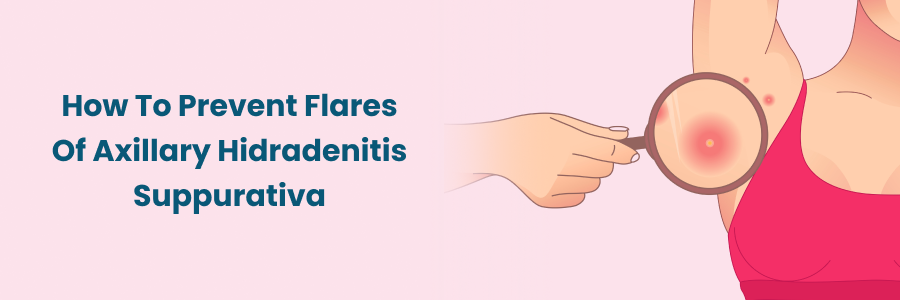
- 3759
- 3.5 Minute
Preventing Axillary Hidradenitis Suppurativa Flares
Axillary hidradenitis suppurativa, commonly known as HS, can be a challenging condition to manage. Are you tired of the painful abscesses and recurrent flare-ups under your arms? Does the discomfort and embarrassment of HS affect your daily activities, making simple tasks like raising your arms or getting dressed a painful ordeal?
Preventing HS Flare-ups
HS flare-ups can be debilitating and significantly impact your quality of life. Here are some strategies to help prevent these painful outbreaks:
- Avoid tight clothing that can cause friction and irritation in the affected area.
- Practice good hygiene by keeping the underarm area clean and dry to prevent bacterial growth.
- Manage stress levels through relaxation techniques like deep breathing or meditation, as stress can trigger flare-ups.
By incorporating these preventive measures into your daily routine, you can reduce the frequency and severity of HS flare-ups.
Get a second opinion from trusted experts and makeconfident, informed decisions.
Get Second OpinionNot sure where to start?
Talk to a patient care advisor — free, confidential, 24/7. We'll match you to the right specialist and book your appointment in minutes.
Axillary Hidradenitis Suppurativa Care
Proper care is essential in managing axillary hidradenitis suppurativa and preventing complications. Here are some key aspects of HS care:
- Regularly clean the affected area with a gentle cleanser to prevent infection.
- Apply warm compresses to help reduce pain and promote the drainage of abscesses.
- Follow your healthcare provider's treatment plan, which may include medications or surgical interventions.
By staying consistent with your care routine and working closely with your healthcare team, you can effectively manage your HS symptoms.
Hidradenitis Suppurativa Treatments
Various treatment options are available to help suppress the symptoms of hidradenitis suppurativa. These may include:
- Topical or oral antibiotics to reduce bacterial overgrowth and inflammation.
- Intralesional corticosteroid injections to help shrink and heal individual HS lesions.
- Biologics or immunosuppressants for moderate to severe cases that do not respond to other treatments.
It is crucial to work with a dermatologist or healthcare provider to determine the most suitable treatment plan for your specific condition.
Skin Care Tips for HS Patients
Proper skincare is essential for individuals with HS to maintain skin health and prevent complications. Here are some helpful skin care tips:
- Avoid harsh soaps or skincare products that can irritate the skin.
- Moisturize the affected area regularly to prevent dryness and cracking.
- Choose loose-fitting, breathable clothing to reduce friction and promote airflow.
By following these skin care tips, you can help alleviate discomfort and promote healing in the affected areas.
Hidradenitis Lifestyle Changes
Making certain lifestyle changes can have a positive impact on managing hidradenitis suppurativa. Consider the following adjustments:
- Adopting a healthy diet rich in fruits, vegetables, and lean proteins to support overall skin health.
- Quitting smoking, as smoking can exacerbate HS symptoms and reduce the effectiveness of treatments.
- Engaging in regular physical activity to help reduce inflammation and improve circulation.
By incorporating these lifestyle changes into your daily routine, you can support your HS management efforts and enhance your overall well-being.
Managing HS Underarm Symptoms
Underarm symptoms of HS can be particularly challenging to deal with due to the sensitivity and constant movement of the area. Here are some tips for effectively managing underarm symptoms:
- Avoid shaving the affected area to prevent further irritation and potential infection.
- Use gentle antiperspirants or deodorants that are free of harsh chemicals and fragrances.
- Consider wearing absorbent underarm pads or clothing liners to help manage moisture and reduce friction.
By taking proactive steps to care for your underarm symptoms, you can minimize discomfort and promote healing in the affected areas.
Your health is everything - prioritize your well-being today.
Schedule Your AppointmentConclusion
In conclusion, managing axillary hidradenitis suppurativa requires a comprehensive approach that includes preventive measures, proper care, treatment interventions, skincare tips, lifestyle changes, and targeted management of underarm symptoms. By incorporating these strategies into your daily routine and working closely with your healthcare team, you can effectively reduce the frequency of flare-ups, alleviate symptoms, and improve your overall quality of life.
Frequently Asked Questions
Axillary hidradenitis suppurativa is a chronic skin condition that causes painful lumps, abscesses, and tunnels in the underarm area. It affects sweat glands and hair follicles. These flare-ups can lead to scarring and infection if not managed properly.
The exact cause is unknown, but it's linked to inflammation in hair follicles, hormonal changes, genetics, and immune system dysfunction. Factors like obesity, smoking, and stress can worsen the condition. It's not caused by poor hygiene.
To reduce flare-ups, avoid shaving or using irritating deodorants, wear breathable clothing, and maintain a healthy weight. Stop smoking and manage stress. A dermatologist may recommend topical or oral treatments to keep symptoms in check.
Yes, antibiotics can help reduce inflammation and treat infections in early or moderate HS. They may be topical or oral, depending on severity. Long-term use is carefully monitored to avoid resistance or side effects.
Yes, surgery is often used for advanced or recurring HS. Options include removing affected tissue or wide excision of the area to prevent future flare-ups. It can significantly improve quality of life when other treatments fail.
- Cardiology
- Case Studies
- Dermatology
- Endocrinology
- ENT
- Fertility
- Gastroenterology
- General
- General-Medicine
- Gynecology
- Hematology
- Infectious-Diseases
- Medical News
- Neurology
- Oncology
- Ophthalmology
- Orthopedics
- Pediatrics
- Procedure
- Public-Health
- Pulmonology
- Radiology
- Second Opinion
- Urology
- Wellness
- Woman-and-child
Related Blogs
Still have questions? Speak with our experts now!
040-68334455


