 Call
Call Patient Reports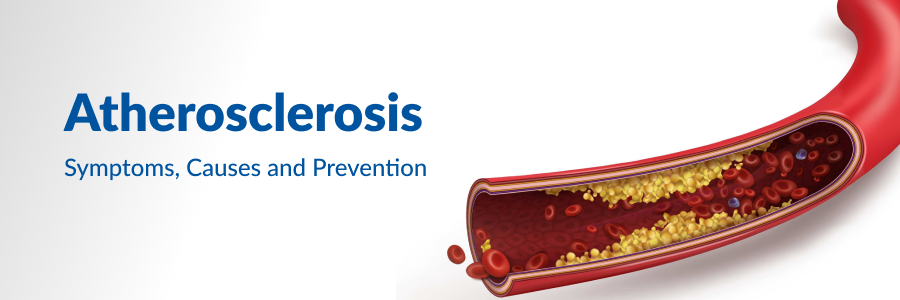
- 3257
- 3.1 Minutes
Atherosclerosis: Symptoms, Causes, and Prevention
What Is Atherosclerosis?
Atherosclerosis is the gradual accumulation of plaque in artery walls, which restricts blood flow to tissue and organs. A sticky material consisting of calcium, fat, cholesterol, and other elements is called plaque (atheroma). This hardening of arteries, which are blood vessels that supply oxygen-rich blood, can cause a narrowing of the lumen, reducing blood flow to tissues and organs. The presence of a blood clot, similar to a roadblock in the centre, can lead to heart attacks due to oxygen deprivation.
To prevent atherosclerosis, individuals should aim to reduce LDL cholesterol, a critical factor in plaque accumulation. Lowering LDL cholesterol levels is crucial for reducing cardiovascular events and slowing atherosclerosis progression.
Maintaining a healthy lifestyle can prevent atherosclerosis. By reducing risk factors, atherosclerosis can be delayed or prevented. Limiting sugars, sodium, and solid fats and quitting smoking could help. It is crucial to take medicines as prescribed by the doctor if you are at risk due to a family history or high cholesterol.
A heart-healthy diet includes fruits, vegetables, whole grains, lean meats, and healthy fats, which are rich in nutrients beneficial for cardiovascular health. These foods reduce saturated and trans fats, sodium, and added sugars while providing essential vitamins, minerals, antioxidants, and fibre.
Get a second opinion from trusted experts and makeconfident, informed decisions.
Get Second OpinionNot sure where to start?
Talk to a patient care advisor — free, confidential, 24/7. We'll match you to the right specialist and book your appointment in minutes.
Diet For Atherosclerosis:
- Fruits and vegetables are essential for heart health due to their high content of vitamins, minerals, antioxidants, and dietary fibre. To maximize nutrient intake and promote overall health, it's recommended to incorporate a variety of colourful fruits and vegetables into meals and snacks.
- Whole grains, including whole wheat, oats, brown rice, quinoa, and barley, are rich in fibre and nutrients and are an excellent choice for heart health due to their ability to reduce LDL cholesterol and regulate blood sugar levels.
- Fatty fish, including salmon, mackerel, trout, and sardines, are rich in omega-3 fatty acids, which reduce inflammation and aid heart health. For a healthy diet, aim to consume fatty fish twice weekly.
- To reduce sodium intake, limit processed and packaged foods and replace salt with herbs, spices, and other seasonings. High sodium consumption can contribute to high blood pressure, a risk factor for atherosclerosis and heart disease.
- Consume foods rich in healthy fats, such as olive oil, avocado, nuts, seeds, and fatty fish, for improved cholesterol, inflammation reduction, and cardiovascular health. Moderation is crucial, as fats are high in calories.
- Reduce saturated and trans fat consumption, including fried foods, processed snacks, fatty meats, and full-fat dairy products, as they increase LDL cholesterol levels and promote plaque accumulation in arteries, increasing the risk of cardiovascular issues.
- To achieve balanced eating, control portion sizes and consume a variety of nutrient-rich meals from various food categories. This diet helps meet nutritional needs, maintain a healthy weight, and promote cardiovascular health while also promoting a balanced lifestyle.
- Choose lean proteins like fish, skinless poultry, beans, lentils, tofu, and low-fat dairy products, and reduce red meat and processed meats due to saturated fats.
- Maintain proper hydration by drinking plenty of water throughout the day and replacing sugary drinks with herbal teas or water infused with herbs. To prevent blood pressure issues, drink alcohol moderately, limiting it to one drink per day for women and two drinks per day for men.
Managing Atherosclerosis through Lifestyle Modifications
- Regular physical activity: Engage in 150-75 minutes of moderate-intensity aerobic activity weekly and strengthen muscles at least two days a week.
- Manage stress: Engage in stress-reduction strategies like deep breathing, meditation, yoga, or mindfulness to promote well-being and reduce inflammation.
- Schedule regular health checks: Monitor cardiovascular health, cholesterol levels, blood pressure, and other risk factors regularly to reduce the likelihood of problems and improve outcomes.
- Maintain a healthy weight: Aim for a balanced diet and regular physical activity to maintain a healthy BMI. Excess weight can contribute to atherosclerosis and cardiovascular illnesses.
- Quit smoking:Quit smoking to reduce the risk of cardiovascular diseases and atherosclerosis. Smoking damages blood vessels, causes inflammation, and increases artery plaque accumulation, increasing the risk of heart attacks or strokes.
Your health is everything - prioritize your well-being today.
Schedule Your Appointment- Cardiology
- Case Studies
- Dermatology
- Endocrinology
- ENT
- Fertility
- Gastroenterology
- General
- General-Medicine
- Gynecology
- Hematology
- Infectious-Diseases
- Medical News
- Neurology
- Oncology
- Ophthalmology
- Orthopedics
- Pediatrics
- Procedure
- Public-Health
- Pulmonology
- Radiology
- Second Opinion
- Urology
- Wellness
- Woman-and-child
Related Blogs
Still have questions? Speak with our experts now!
040-68334455


