 Call
Call Patient Reports
- Cardiology 84
- Dermatology 45
- Endocrinology 33
- ENT 16
- Fertility 190
- Gastroenterology 78
- General-Medicine 81
- Gynecology 80
- Hematology 19
- Infectious-Diseases 33
- Neurology 52
- Oncology 34
- Ophthalmology 23
- Orthopedics 69
- Pediatrics 31
- Procedure 23
- Public-Health 144
- Pulmonology 59
- Radiology 8
- Urology 68
- Wellness 161
- Woman-and-child 77
- 3759
- 3.5 Minute
Androgenic Alopecia: Causes and Treatments
Androgenic alopecia, commonly referred to as male or female pattern baldness, is a prevalent condition that affects a significant portion of the population. Understanding the causes, symptoms, and treatment options can help individuals manage this condition more effectively.
This article delves into the intricate details of androgenic alopecia, shedding light on its genetic factors, prevention strategies, and various treatment modalities, including homeopathic options.
Get a second opinion from trusted experts and makeconfident, informed decisions.
Get Second OpinionNot sure where to start?
Talk to a patient care advisor — free, confidential, 24/7. We'll match you to the right specialist and book your appointment in minutes.
What is Androgenic Alopecia?
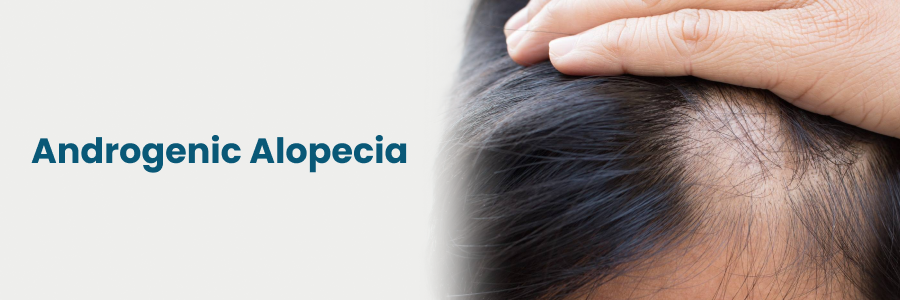
Androgenic alopecia is a type of hair loss that is hormonally mediated and genetically predisposed. It primarily affects the scalp and is characterized by progressive thinning and loss of hair. While it is more common in men, women can also experience this condition, albeit with different patterns of hair loss.
Symptoms of Androgenic Alopecia
The symptoms of androgenic alopecia vary between men and women:
- In Men: The condition typically begins with a receding hairline and thinning at the crown, eventually leading to complete baldness in some cases.
- In Women: Women usually experience diffuse thinning over the crown, preserving the frontal hairline but leading to a noticeable reduction in hair volume.
Causes of Androgenic Alopecia
The primary cause of androgenic alopecia is a combination of genetic predisposition and hormonal changes. Specifically, it involves the androgen hormones, which include testosterone and its derivative, dihydrotestosterone (DHT).
Genetic Factors
Genetics play a crucial role in androgenic alopecia. The condition is polygenic, meaning multiple genes contribute to its onset. These genes can be inherited from either parent, making the condition prevalent in families with a history of hair loss.
Hormonal Influence
DHT, a potent androgen, binds to androgen receptors in hair follicles, leading to their miniaturization. This process shortens the growth phase (anagen) of the hair cycle and prolongs the resting phase (telogen), resulting in thinner and shorter hair strands.
Treatment Options for Androgenic Alopecia
There are several treatment options available for managing androgenic alopecia. These range from pharmacological interventions to natural remedies and homeopathic treatments.
Pharmacological Treatments
- Minoxidil: An over-the-counter topical treatment that stimulates hair growth and slows hair loss. It is available in various concentrations and is applied directly to the scalp.
- Finasteride: A prescription oral medication that inhibits the conversion of testosterone to DHT, thereby reducing hair follicle miniaturization.
Surgical Treatments
- Hair Transplantation: This surgical procedure involves transplanting hair follicles from a donor site (typically the back of the head) to the balding areas. It is considered a permanent solution to hair loss.
- Scalp Reduction: Involves surgically removing bald areas of the scalp and stretching the area with hair to cover the bald spots.
Homeopathic Medicine for Androgenic Alopecia
Homeopathy offers several remedies for androgenic alopecia, focusing on individualized treatment plans. Commonly used homeopathic medicines include:
- Silicea: Used for hair loss due to weak hair roots.
- Lycopodium: Beneficial for premature balding and hair loss from the crown.
- Natrum Muriaticum: Effective for hair loss in women, especially after childbirth.
Natural and Home Remedies
- Dietary Modifications: A balanced diet rich in vitamins and minerals, such as biotin, zinc, and iron, can support hair health.
- Essential Oils: Oils like rosemary, peppermint, and lavender can be massaged into the scalp to promote hair growth.
- Herbal Supplements: Saw palmetto and ginseng are known for their potential to inhibit DHT production and support hair growth.
Prevention of Androgenic Alopecia
While it may not be possible to completely prevent androgenic alopecia, certain lifestyle changes and preventive measures can help slow its progression:
- Healthy Diet: Consuming a diet rich in antioxidants, vitamins, and minerals can promote overall hair health.
- Stress Management: Chronic stress can exacerbate hair loss. Techniques such as yoga, meditation, and regular exercise can help manage stress levels.
- Avoiding Harsh Treatments: Limiting the use of heat styling tools and harsh chemical treatments can prevent additional damage to the hair.
Androgenic Alopecia in Women
Androgenic alopecia in women manifests differently than in men and often requires a tailored approach to treatment. Women may benefit from:
- Hormonal Treatments: Oral contraceptives and anti-androgen medications like spironolactone can help manage hormone levels.
- Topical Treatments: Minoxidil is also effective for women and can be used to stimulate hair growth.
- Lifestyle Adjustments: Maintaining a healthy lifestyle and reducing stress can significantly impact hair health in women.
Psychological Impact
Hair loss can have a profound psychological impact on women, affecting their self-esteem and quality of life. Counseling and support groups can provide emotional support and coping strategies.
Your health is everything - prioritize your well-being today.
Schedule Your AppointmentConclusion
Androgenic alopecia is a complex condition influenced by genetic and hormonal factors. Understanding its causes and symptoms is crucial for effective management. While there is no cure, various treatment options, including pharmacological, surgical, and homeopathic remedies, can help mitigate hair loss and promote regrowth.
By adopting preventive measures and seeking appropriate treatments, individuals can manage androgenic alopecia and improve their overall well-being.
Frequently Asked Questions
It is primarily caused by genetics and hormonal changes.
Symptoms include thinning hair and receding hairline.
Treatments include medications and hair transplant options.
Women may experience diffuse thinning rather than receding hairlines.
Prevention is challenging, but early intervention may help.
- Cardiology
- Case Studies
- Dermatology
- Endocrinology
- ENT
- Fertility
- Gastroenterology
- General
- General-Medicine
- Gynecology
- Hematology
- Infectious-Diseases
- Medical News
- Neurology
- Oncology
- Ophthalmology
- Orthopedics
- Pediatrics
- Procedure
- Public-Health
- Pulmonology
- Radiology
- Second Opinion
- Urology
- Wellness
- Woman-and-child
Related Blogs
Still have questions? Speak with our experts now!
040-68334455


