 Call
Call Patient Reports
- Cardiology 84
- Dermatology 45
- Endocrinology 33
- ENT 16
- Fertility 190
- Gastroenterology 78
- General-Medicine 81
- Gynecology 80
- Hematology 19
- Infectious-Diseases 33
- Neurology 52
- Oncology 34
- Ophthalmology 23
- Orthopedics 69
- Pediatrics 31
- Procedure 23
- Public-Health 144
- Pulmonology 59
- Radiology 8
- Urology 68
- Wellness 161
- Woman-and-child 77
- 3759
- 3.5 Minute
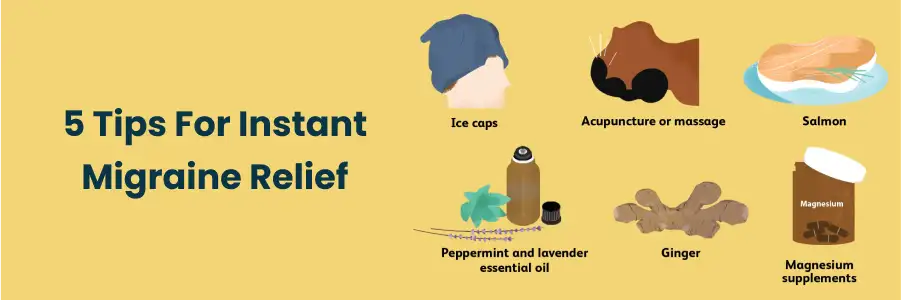
5 Tips for Instant Migraine Relief
Migraines are debilitating headaches that can disrupt daily life and productivity. When a migraine strikes, finding immediate relief becomes paramount. Understanding the underlying causes and effective strategies for instant migraine relief can make all the difference in managing these painful episodes.
In this article, we will delve into five essential tips for immediate migraine relief, exploring their efficacy and application. Whether you experience migraines frequently or occasionally, these strategies can provide rapid respite from the excruciating pain.
Get a second opinion from trusted experts and makeconfident, informed decisions.
Get Second OpinionNot sure where to start?
Talk to a patient care advisor — free, confidential, 24/7. We'll match you to the right specialist and book your appointment in minutes.
Employing Cold Compress Therapy
Cold compress therapy is a well-established technique for alleviating migraine pain quickly. Applying cold compresses to the forehead, temples, or back of the neck can provide significant relief by numbing the affected area and reducing inflammation.
How to Use Cold Compress Therapy
- Materials Needed: A clean cloth or a cold pack.
- Steps: Wrap the cold pack or ice in a cloth to prevent direct contact with the skin, which can cause frostbite. Place the compress on the forehead, temples, or back of the neck. Leave it on for 15-20 minutes. Repeat as necessary.
This method not only helps to constrict blood vessels but also alleviates the throbbing pain associated with migraines, providing immediate migraine relief.
Practicing Deep Breathing and Relaxation Techniques
Stress and tension are common triggers for migraines. Therefore, practicing deep breathing and relaxation techniques can be an effective strategy for instant headache relief. These techniques help to calm the nervous system, reduce muscle tension, and improve oxygen flow to the brain.
Effective Deep Breathing Technique
- Find a Quiet Space: Sit or lie down in a comfortable position.
- Breathing Steps: Close your eyes and take a slow, deep breath through your nose, counting to four. Hold your breath for a count of four. Exhale slowly through your mouth, counting to six. Repeat this process for 5-10 minutes.
Incorporating relaxation techniques such as progressive muscle relaxation or guided imagery can further enhance the effectiveness of this method, offering rapid migraine relief.
Hydrating Adequately
Dehydration is a common yet often overlooked trigger for migraines. Ensuring proper hydration can prevent and alleviate migraine symptoms. Water helps to maintain optimal blood flow and reduces the likelihood of migraine episodes.
Hydration Tips
- Daily Water Intake: Aim for at least eight 8-ounce glasses of water per day.
- Monitor Fluid Intake: Keep track of your water consumption, especially during hot weather or after physical activity.
- Avoid Dehydrating Beverages: Limit the intake of caffeine and alcohol, as they can contribute to dehydration.
By maintaining adequate hydration, you can significantly reduce the frequency and severity of migraines, achieving a natural and immediate migraine relief solution.
Utilizing Over-the-Counter (OTC) Medications
For many migraine sufferers, over-the-counter medications provide a quick and reliable method for emergency migraine treatments. Non-prescription pain relievers can be highly effective when taken at the onset of migraine symptoms.
Common OTC Medications for Migraine Relief
- Ibuprofen: Reduces inflammation and alleviates pain.
- Aspirin: Provides pain relief and has anti-inflammatory properties.
- Acetaminophen: Effective for mild to moderate pain relief.
Usage Guidelines
- Dosage: Follow the recommended dosage instructions on the packaging.
- Timing: Take the medication at the first sign of a migraine for optimal effectiveness.
- Consult a Healthcare Provider: If you have any underlying health conditions or are taking other medications, consult a healthcare provider before using OTC medications.
While OTC medications can offer fast migraine remedies, it is essential to use them judiciously to avoid overuse and potential side effects.
Creating a Dark, Quiet Environment
Sensitivity to light and sound is a hallmark of migraines. Creating a dark and quiet environment can help to minimize these triggers and provide rapid migraine relief.
Steps to Create a Migraine-Friendly Environment
- Dim the Lights: Use blackout curtains or an eye mask to block out light.
- Reduce Noise: Use earplugs or noise-canceling headphones to minimize sound.
- Relaxing Ambiance: Play soothing music or white noise to create a calming atmosphere.
By retreating to a dark, quiet space, you can alleviate the sensory overload that often accompanies migraines, allowing for quicker recovery and relief.
Your health is everything - prioritize your well-being today.
Schedule Your AppointmentConclusion
Migraines can be overwhelming, but with the right strategies, immediate relief is within reach. By employing cold compress therapy, practicing deep breathing and relaxation techniques, maintaining adequate hydration, utilizing over-the-counter medications, and creating a dark, quiet environment, you can effectively manage migraine pain and improve your quality of life.
Frequently Asked Questions
Some effective tips include applying a cold compress, staying hydrated, resting in a dark and quiet room, using over-the-counter pain relievers, and practicing relaxation techniques.
A cold compress can reduce inflammation and numb the area, providing temporary relief from migraine pain.
Yes, dehydration can trigger migraines, so drinking plenty of water can help alleviate the symptoms.
Light and noise can exacerbate migraines; resting in a dark, quiet room can help reduce these triggers and provide relief.
Medications like ibuprofen, acetaminophen, or aspirin can help relieve migraine symptoms.
- Cardiology
- Case Studies
- Dermatology
- Endocrinology
- ENT
- Fertility
- Gastroenterology
- General
- General-Medicine
- Gynecology
- Hematology
- Infectious-Diseases
- Medical News
- Neurology
- Oncology
- Ophthalmology
- Orthopedics
- Pediatrics
- Procedure
- Public-Health
- Pulmonology
- Radiology
- Second Opinion
- Urology
- Wellness
- Woman-and-child
Related Blogs
Still have questions? Speak with our experts now!
040-68334455


