
What is a Hysterectomy?
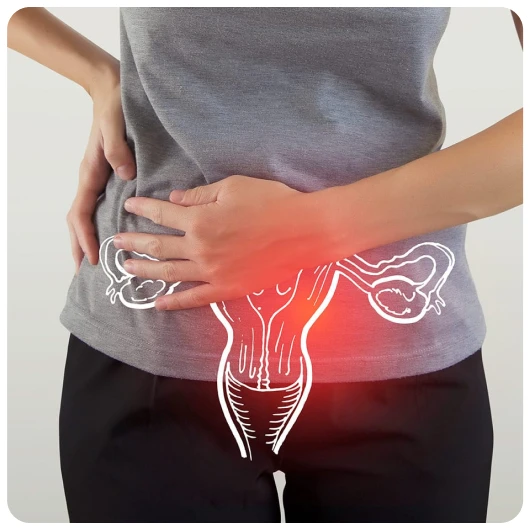
A Hysterectomy is a surgery to remove the uterus, also called the womb. After this surgery, a woman stops having periods and can't get pregnant.
Types of Hysterectomy
- Partial: Only the upper section of the uterus is removed and the cervix will be there.
- Total: Removes both the uterus and the cervix.
- Radical: Removes the uterus, cervix, and nearby tissues, usually for cancer cases.
Depending on your condition, options include partial, total, radical, or minimally invasive procedures like laparoscopic or robotic surgery. Our specialists help you understand which is best for you.
Indications for Uterectomy Surgery
Women have to meet the specialist if they have the following indications;
- Heavy or long-term bleeding
- Fibroids causing pain or pressure
- Endometriosis or adenomyosis
- Cancer of the uterus, cervix, or ovaries
- Menstrual Cramps
- Fibroids
- Uterine prolapse (when the uterus slips down)
Why Choose Medicover Woman and Child Hospitals


Hysterectomy Treatment Services at Medicover
At Medicover W&C Hospitals, we offer a hysterectomy for women who need uterus removal surgery.
Types of Hysterectomy Treatments We Offer
- Abdominal Hysterectomy: The uterus is removed through a cut made in the lower belly.
- Vaginal Hysterectomy: The uterus is taken out through the vagina, helping you heal faster with a shorter recovery period and less pain, supported by expert care at Medicover.
- Laparoscopic Hysterectomy: Done using minor cuts and a camera, causing less pain and allowing a quick recovery.
- Robotic Hysterectomy: Uses advanced robotic tools for accurate surgery and smooth recovery.
- Radical Hysterectomy: Removes the uterus along with nearby tissues, mainly used to treat cancer.
Advantages of Hysterectomy Treatments
- Relief from chronic pelvic pain
- Stops heavy or irregular menstrual bleeding
- Prevents recurrence of uterine fibroids
- Eliminates the risk of uterine cancer
- Improves quality of life and comfort
Our Woman and Child Hospitals



Hysterectomy Experts at Medicover Hospitals
Our team of expert gynecologists at Medicover Hospitals is highly skilled in women's health and surgical care.
- Extensive experience in women's health and surgery
- Trained in the latest medical techniques and technology
- Compassionate and patient-focused approach
- Clear communication to ease doubts and worries
- Commitment to personalized, respectful care
With experience and advanced training in the latest medical technologies, they provide compassionate, patient-focused treatment tailored to each woman's unique needs.

Prioritize Women and Child Care
Schedule Your Appointment for Convenient and Caring Health Services With Our Experts
Book an AppointmentOur Services
As one of India's top Maternity hospital chains, we offer diverse medical services across specialities. Our expert team ensures you receive the highest standard of treatment and care.


Frequently Asked Questions
A vaginal hysterectomy removes the uterus through the vaginal canal. This minimally invasive gynecological surgery is often done for uterine fibroids, prolapse, or persistent heavy menstrual bleeding.
After a hysterectomy, the uterus is removed so sperm cannot travel further into the body. Sperm remains in the vagina and is naturally expelled or absorbed; intercourse remains safe and comfortable.
Yes, hysterectomy is a major operation where the uterus is removed, often under general anesthesia. Recovery time and risks depend on factors like the surgical technique and the patient’s overall health.
To prevent weight gain after hysterectomy, focus on a balanced diet, regular exercise, strength training, and healthy habits. Staying hydrated and monitoring portions also support healthy body weight and metabolism.
A laparoscopic hysterectomy, known for minimal scarring and faster recovery, typically takes between 1 to 3 hours. Duration varies based on patient health and whether additional procedures are performed.
Hysterectomy is typically a safe and effective gynecologic surgery when performed by an experienced specialist. Complications are uncommon but can include infection, bleeding, or reactions to anesthesia.
Recovery from hysterectomy involves rest, avoiding heavy lifting, staying hydrated, gentle walks, and following your doctor’s advice. Start light exercise as recommended and attend all follow-up appointments for healing.


