What is a Root Canal Treatment?
Root Canal Treatment is a dental procedure used to treat infection or damage deep inside a tooth. It involves removing the infected or inflamed pulp (the soft tissue inside the tooth), cleaning and disinfecting the inside and then sealing it to prevent further problems.
This treatment helps save the natural tooth and relieve pain caused by infection.
Modern techniques and anesthesia make root canal treatment relatively comfortable and similar to getting a regular filling.
After the procedure, a crown or filling is placed to restore the tooth's strength and function. With proper care a tooth that has undergone a root canal can last a lifetime.
Types of Root Canal Treatments
Root canal treatment can vary depending on the tooth involved, the complexity of the infection and the patient's age. The main types include:
- Anterior Root Canal: Performed on the front teeth (incisors and canines). These procedures are straightforward and generally have minimal complications.
- Posterior Root Canal: Performed on the back teeth (molars and premolars). These procedures may be more complex due to the tooth's structure.
- Retreatment Root Canal: If a previous root canal treatment fails or an infection reoccurs, a retreatment may be necessary to clean and reseal the canals.
- Apicoectomy (Surgical Root Canal): A surgical process of removing the root tip and surrounding infected tissue when a regular root canal has been ineffective.
- Pulpotomy: This procedure is primarily performed on children and involves removing a portion of the pulp to treat tooth decay, while leaving the remaining pulp intact.
- Pulpotomy with Apexification: A treatment used for immature teeth where the root is not fully formed, aiming to stimulate root development.
30-90 minutes
Surgery Duration
Local Anesthesia
Anesthesia Used
Same Day Discharge
Hospital Stay
Normal activities usually resumed the next day
Full Recovery Timeline
When is a Root Canal Required?
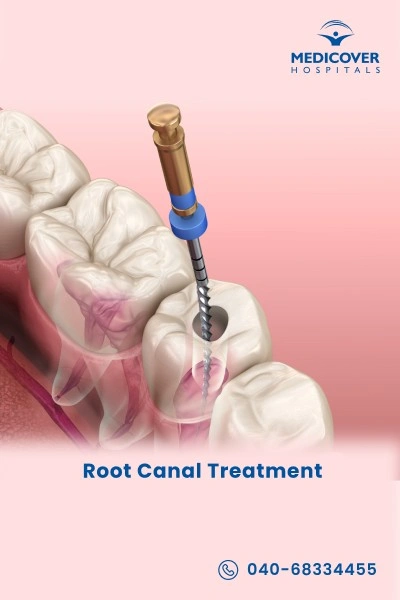
A root canal is needed when there is damage or infection in the tooth pulp that cannot be treated with a simple filling. Common reasons include:
- Deep decay reaching the pulp
- Repeated dental procedures on the same tooth
- Cracked, chipped or fractured teeth exposing the pulp
- Trauma to the tooth
- Infection or abscess at the root tip
- Severe pain or persistent discomfort that affects daily activities
Root canal symptoms may indicate an infection or pulp damage:
- Toothache: Continuous pain, particularly when chewing or applying pressure.
- Sensitivity: Prolonged sensitivity to hot or cold.
- Swelling: Swelling around the tooth or gums, sometimes with a bump on the gum.
- Discoloration: The darkening of a tooth may indicate pulp damage.
- Deep Decay: Severe decay reaching the inner pulp.
- Trauma: Injuries like fractures or chips can lead to pulp infection.
- Cracks: Cracked teeth may allow bacteria to reach the pulp.
- Prolonged Pain: Pain that lingers even after removing the trigger.
- Abscess: A pus-filled area near the tooth's root.
- Multiple Dental Procedures: Teeth with extensive dental work are more prone to pulp damage.
Tip: Early evaluation by a root canal specialist (endodontist) prevents complications and preserves your natural tooth.
How to Prepare for Root Canal Treatment?
Preparing for a root canal procedure involves understanding the process, communicating with your dental provider and taking care of yourself before and after the treatment.
Here's how you can prepare for a root canal:
- Consultation: Visit your dentist for an exam and X-rays if you experience symptoms such as a severe toothache, sensitivity or swelling.
- Treatment Plan: Your dentist will explain the procedure, its expected duration and the number of appointments required.
- Medications: Pain relievers or antibiotics may be prescribed if needed before the procedure.
- Meals: Eat a proper meal before the procedure, as there are usually no dietary restrictions.
- Transportation: Arrange a ride if sedation is used during the procedure.
- Relaxation: Practice deep breathing or bring comfort items, such as music, to help you stay calm.
- Post-treatment: Prepare soft foods and medications, and follow the care instructions provided after the procedure.
- Follow-Up: Attend follow-up visits to ensure proper healing and treatment success.
What Happens During a Root Canal Procedure?
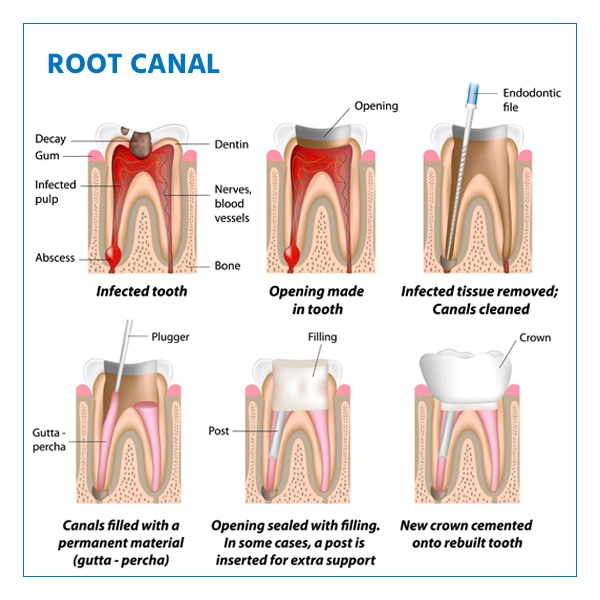
A root canal, also known as endodontic therapy involves several steps to treat an infected or damaged tooth and alleviate pain. Here's an overview of what happens during a root canal procedure:
- Diagnosis: The dentist examines symptoms, reviews your medical history and may take X-rays.
- Anesthesia: The area is numbed with local anesthesia to make the procedure painless.
- Isolation: A rubber dam is placed around the tooth to maintain a clean and dry environment.
- Access Opening: A small access opening is created on the tooth to reach the infected pulp.
- Pulp Removal: The infected or damaged pulp is carefully removed to prevent the spread of further infection.
- Cleaning & Shaping: Root canals are cleaned, shaped and disinfected to eliminate bacteria.
- Filling: Canals are sealed with gutta-percha to prevent reinfection.
- Sealing: The access opening is closed with a temporary or permanent filling.
- Restoration: A crown may be added for protection and to restore function.
- Follow-up: Post-procedure care instructions are provided to facilitate a smooth recovery.
How many sittings are required for root canal treatment?
Simple cases may be finished in one visit. Complex or infected cases may require 2-3 visits.
Does a root canal hurt?
No. Thanks to anesthesia, the procedure itself is painless. Some mild soreness afterward is normal.
How long does it take?
Typically 30-90 minutes per tooth, depending on complexity.
Recovery After Root Canal Procedure
Recovery after a root canal is usually smooth, and most people experience only mild discomfort for a few days. With the proper care, your treated tooth can heal quickly and last a lifetime.
What to Expect After a Root Canal
- Numbness: Wait until numbness wears off before eating to avoid accidental bites.
- Discomfort: Mild pain or sensitivity is normal. Use the recommended pain relievers as directed.
- Chewing: Avoid chewing on the treated tooth until the crown or filling is placed.
- Oral Hygiene: Take special care to gently brush and floss around the treated area to keep it fresh.
- Diet: Stick to soft foods for a while, avoiding hot, cold, crunchy or sticky items.
- Follow Instructions: Follow your dentist's specific aftercare guidelines for optimal healing.
- Monitor Symptoms: Contact your dentist if you experience severe pain, swelling or other unusual symptoms.
- Rest: Take it easy for the rest of the day and avoid strenuous activities.
- Follow-Up: Attend scheduled appointments to ensure proper healing and treatment success.
Lifestyle Changes After Root Canal Procedure
A root canal usually doesn't require significant lifestyle changes, but adopting healthy habits will protect your treated tooth and overall oral health.
- Oral Hygiene: Brush twice daily with fluoride toothpaste and floss regularly.
- Diet: Limit sugary foods and drinks; avoid extremely hot, cold or sticky foods if sensitivity persists.
- Chewing Habits: Avoid chewing on the treated tooth until it is fully restored with a crown or filling.
- Dental Check-ups: Continue routine dental visits for cleanings and monitoring.
- Avoid Bad Habits: Refrain from nail-biting or using teeth to open packages.
- Mouthguard: Wear one during sports or if you grind/clench teeth (bruxism).
- Quit Smoking & Alcohol: Helps improve healing and supports long-term oral health.
- Stay Hydrated: Drink water regularly to promote saliva flow and flush away food particles.
- Manage Stress: Use relaxation techniques to reduce stress-related teeth grinding.
What are the Benefits of Root Canal Treatment?
The advantages of a root canal far outweigh the risks. Here's why it is considered one of the best dental treatments to preserve natural teeth:
- Pain Relief: Reduces pain caused by infection or inflammation in the tooth pulp.
- Preserve Natural Tooth: Prevents tooth extraction, your natural smile and your chewing ability.
- Prevents Infection Spread: Removes the infected pulp, stopping the infection from spreading to surrounding tissues.
- Improved Oral Health: Restores tooth health, reducing the risk of further dental issues.
- Cost-Effective: A root canal is often less expensive than extracting a tooth and replacing it with a bridge or implant.
- Efficient Chewing: Restores the tooth's functionality, allowing normal chewing and biting.
- Aesthetic Restoration: When completed with a crown, it will enhance the tooth's appearance and improve its strength.
- Long-Term Results: A treated tooth can last a lifetime with proper care and maintenance.
The Disadvantages of Root Canal Treatment
While the procedure is safe and effective, there are some limitations:
- The treated tooth may become brittle over time and usually requires a crown for protection.
- In rare cases, the procedure may fail, requiring retreatment or extraction.
- Some patients may experience temporary pain or sensitivity after treatment.
- The cost is higher than simple extraction (though lower than implants).
- Multiple visits may be required in complex cases.
What are the Side Effects of Root Canal?
Most side effects are short-term and temporary, usually resolving within a few days:
- Mild Pain or Sensitivity: Normal during the healing phase.
- Swelling of Gums or Jaw: Temporary and manageable with medication.
- Tooth Discoloration: The treated tooth may darken, often corrected with a crown or whitening.
- Temporary Numbness: Some patients may experience numbness in their gums or lips after anaesthesia.
- Chewing Discomfort: The tooth may feel sensitive when biting until it is fully restored with a crown.
Risks or Complications of Root Canal Treatment
Though rare, certain complications may occur:
- Infection: If bacteria remain or re-enter the tooth, reinfection may occur.
- Tooth Fracture: A weakened tooth may crack if not adequately restored with a crown.
- Incomplete Cleaning: If canals aren't thoroughly cleaned, pain or infection may persist.
- Nerve Damage: Rarely, nearby nerves may be affected, causing numbness or tingling.
- Persistent Pain: Some patients experience prolonged discomfort after treatment.
- Instrument Breakage: Tiny instruments used may break inside the canal, requiring additional treatment.
- Sinus Issues: The operation may cause mild to moderate irritation in the sinuses near the upper teeth.
- Tooth Discoloration: The treated tooth may darken over time, sometimes requiring cosmetic treatment.
- Failed Root Canal: If infection returns, retreatment or extraction may be needed.
- Swelling or Inflammation: Temporary swelling or sensitivity may occur after the procedure.
What is the Cost of Root Canal Treatment?
The cost of Root Canal Treatment (RCT) in India generally ranges between Rs. 3,000 to Rs. 12,000 per tooth. The exact price depends on several factors such as the type of tooth treated (front tooth or molar), the extent of infection or damage, the city and clinic location and the dentist's experience and specialization.
 040 68334455
 WhatsApp
 Patient Portal
 Home Care