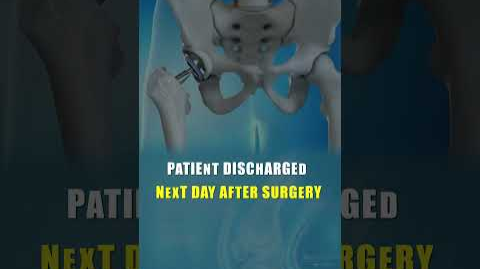
What is Hip Replacement Surgery (Hip Arthroplasty)?
Hip replacement surgery, also called total hip arthroplasty or hip joint replacement surgery, is a transformative medical procedure that helps people regain mobility and reduce chronic hip pain. It is typically recommended when other treatments such as medication or physical therapy have not been effective.
During the surgery, a damaged or diseased hip joint is replaced with an artificial joint, usually made from metal, plastic, or ceramic parts. The purpose of this procedure is to improve movement, relieve pain, and help patients return to daily activities that were once difficult or impossible due to hip joint problems.
What are the Types of Hip Replacement Surgery?
There are 3 types of hip replacement surgery commonly performed:
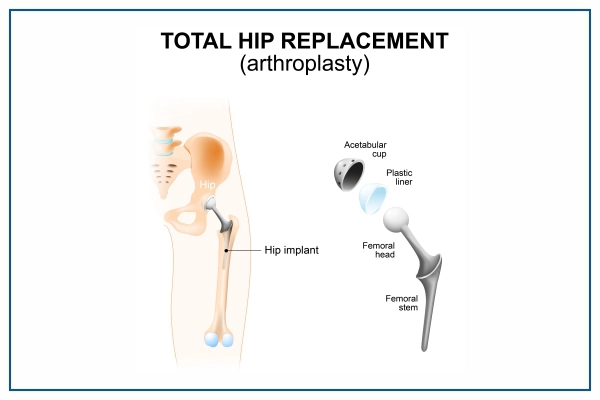
- Total Hip Replacement Surgery: In this most common type, the surgeon removes both the ball (femoral head) and socket (acetabulum) of the hip joint and replaces them with artificial components. This is what most people refer to when they say hip replacement surgery.
- Partial Hip Replacement (Hemiarthroplasty): This procedure is less common and is typically used for certain hip fractures or to remove tumors. Only the femoral head (ball part of the hip) is replaced, not the socket.
- Hip Resurfacing: Instead of fully replacing the joint, the femoral head is capped with a metal surface and the socket is reshaped. This is usually considered for younger patients with strong bone structure.
Each type of hip replacement is selected based on the patient's health condition, age, and specific needs.
1-2 Hours
Surgery Duration
General Anesthesia
Anesthesia Used
3 to 6 Months
Full Recovery Timeline

What are the Indications for Hip Replacement Surgery?
Hip replacement surgery is recommended when chronic hip pain and joint dysfunction significantly affect your ability to perform everyday activities like walking, climbing stairs, sitting, or even resting. It is considered after conservative treatments such as medications, physical therapy, or lifestyle changes have failed to bring relief.
What Conditions does Hip Replacement Surgery Treat?
Hip replacement surgery treats several common conditions that damage the hip joint, including:
- Osteoarthritis: This is the most frequent reason for hip replacement. It happens when the cartilage cushioning the joint wears down over time, leading to stiffness, pain, and limited mobility.
- Rheumatoid Arthritis: An autoimmune disease that causes inflammation in the joints, resulting in pain, swelling, and progressive joint damage.
- Post-Traumatic Arthritis: Occurs after a serious hip injury or fracture, leading to joint instability and cartilage damage.
- Avascular Necrosis: A condition where the blood supply to the hip bone is reduced, causing bone tissue to die and the joint to collapse.
- Hip Fractures: Especially common in elderly patients, some fractures are so severe that they require hip joint replacement surgery to restore function.
When would a doctor recommend hip replacement surgery?
A doctor will recommend hip replacement surgery when pain and mobility issues persist despite non-surgical treatments such as pain-relieving medications, corticosteroid injections, or physical therapy. The goal is to help you regain independence and improve your quality of life.
Why is this procedure done?
The primary reasons for performing hip replacement surgery are to relieve chronic pain, improve joint function, and restore mobility. It helps patients resume daily activities comfortably and prevents further joint damage.
Who is hip replacement surgery for?
Hip replacement surgery is typically performed on individuals suffering from severe arthritis, significant hip joint damage, or hip fractures that can't heal on their own. It is most commonly recommended for older adults but can also be suitable for younger patients with specific joint conditions.
How Should I Prepare Before Hip Replacement Surgery?
Preparing for hip replacement surgery is an important step to ensure both a safe procedure and a smooth recovery. You may be asked to meet with your surgeon and medical team to review your health, medications, and lifestyle. You'll also need to prepare your home and arrange for support during the recovery period.
What Tests Are Done Before Hip Replacement Surgery?
Before undergoing hip joint replacement surgery, your doctor will order tests to make sure you are healthy enough for the procedure. These may include:
- Blood tests to check for anemia, infection, or other concerns.
- Imaging tests, such as X-rays or MRI scans, are used to confirm the extent of hip damage.
- An electrocardiogram (ECG) to assess heart health, especially if you have underlying conditions.
- A general medical evaluation to rule out risks before anaesthesia.
What Happens Before Hip Replacement Surgery?
In the days and weeks before surgery, your preparation may include:
- Meeting your surgeon: To discuss the procedure, your medical history, and any concerns.
- Strengthening exercises: Your doctor may recommend gentle activities to strengthen hip and leg muscles, which can help with recovery.
- Nutritional preparation: Eating a healthy diet to boost healing and maintain hydration.
- Preoperative instructions: Follow your doctor's guidance on fasting and medications.
- Arranging support: Planning for someone to help you at home after surgery and arranging transportation to and from the hospital.
- Preparing your home: Making your living space recovery-friendly by setting up a comfortable chair, removing trip hazards, and keeping essentials within easy reach.
Should I Stop Eating, Drinking, Or Taking Medicines Before Surgery?
Yes. Your surgeon will provide specific instructions:
- Eating and drinking: You'll usually be asked not to eat or drink anything after midnight the night before your total hip replacement surgery.
- Medications: Tell your doctor about all medicines, vitamins, or herbal supplements you take. Some, like blood thinners, may need to be stopped several days before surgery. Others may be adjusted to reduce risks during the operation.
Steps Involved In The Hip Replacement Surgery Procedure
During a hip replacement surgery procedure, a damaged or diseased hip joint is replaced with an artificial joint, also known as a prosthesis. The primary goal of the surgery is to alleviate pain, restore joint function, and improve the patient's overall quality of life. Here's an overview of what happens during a hip replacement surgery:
- Anesthesia: Before starting the surgery, the patient is given anesthesia to ensure their comfort and pain relief throughout the procedure. The type of anesthesia used can vary, including general anesthesia (you are asleep) or regional anesthesia (numbing the lower part of the body).
- Incision: The surgeon makes an incision over the hip joint. The size and location of the incision may vary based on the surgical approach and the patient's specific needs.
- Removal of Damaged Joint Components: The damaged or arthritic parts of the hip joint, including the ball (femoral head) and socket (acetabulum), are carefully removed.
- Preparation of the Bone: The remaining bone surfaces are prepared to accommodate the prosthetic components. This involves reshaping the femur (thighbone) to fit the femoral prosthesis and placing a socket implant in the hip socket (acetabulum).
- Placing the Prosthetic Components: The prosthetic components are inserted into the prepared bone surfaces. The femoral component consists of a metal stem with a ball on top, while the acetabular component is a socket made of metal, plastic, or ceramic.
- Securing the Components: The prosthetic components are securely positioned within the bone using specialised surgical cement or through a technique called press-fit, where the bone naturally grows into the prosthesis over time.
- Closing the Incision: After ensuring the proper placement of the components, the surgeon closes the incision using sutures or staples.
- Post-Operative Care: The patient is moved to a recovery area, where they are closely monitored as the effects of anesthesia wear off. Pain management and early mobilization are essential aspects of the recovery process.
- Rehabilitation and Physical Therapy: Following surgery, patients undergo a period of rehabilitation and physical therapy to regain strength, flexibility, and function in the new hip joint.
Who Will Perform the Hip Replacement Surgery Procedure?
Hip replacement surgery is typically performed by an orthopedic surgeon who specializes in joint replacement surgeries. Orthopedic surgeons are medical doctors who specialize in diagnosing, treating, and surgically managing musculoskeletal conditions, including those related to joints, bones, muscles, and ligaments.
Here are the healthcare professionals involved in hip replacement surgery:
- Orthopedic Surgeon: An orthopedic surgeon is the primary specialist who performs hip replacement surgeries. They have the expertise to assess your hip condition, determine if surgery is needed, and perform the procedure.
- Surgical Team: A team of healthcare professionals, including surgical assistants, nurses, and anesthesiologists, supports the orthopedic surgeon during the surgery to ensure the procedure is safe and successful.
- Physical Therapist: After surgery, a physical therapist plays a crucial role in guiding your rehabilitation and helping you regain strength, mobility, and function in the newly replaced hip joint.
- Anesthesiologist: An anesthesiologist administers anesthesia to ensure your comfort and safety during the surgery.
- Medical Team: Your medical team may include your primary care physician or another specialist who diagnosed your hip condition and referred you to the orthopedic surgeon.
- Nurse Navigator: Some healthcare facilities provide nurse navigators who guide patients through the entire surgical process, offering information, support, and care coordination.
What Should I Expect Immediately After Hip Replacement Surgery?
After hip replacement surgery, you'll typically stay in the hospital for 1 to 3 days, depending on your individual case and how well you are progressing. During this time, your medical team will monitor your condition, manage pain with prescribed medications, and help prevent complications.
On the same day or the day after surgery, you'll begin gentle movements and start walking with the assistance of a walker or crutches. Most patients can walk with support within one to two days after the procedure, which is crucial for encouraging healing and preventing blood clots.
When Can I Return To Normal Activities After Hip Replacement Surgery?
The hip replacement surgery recovery time varies based on age, overall health, and the specific type of surgery. Here's a general timeline:
- Walking with support: Within a day or two.
- Resuming normal activities: Typically, between 6 to 12 weeks after surgery, depending on how well you progress in physical therapy.
- Full recovery: Usually takes 3 to 6 months as your body heals, strength improves, and your hip regains flexibility.
Your physical therapist will guide you through exercises to improve strength, flexibility, and balance during this period. Returning to work and other activities depends on your individual recovery progress and your job type.
Are Lifestyle Changes Required After Recovery From Hip Replacement Surgery?
Yes, lifestyle changes are essential to ensure long-term success after hip joint replacement surgery:
- Avoid high-impact activities that could stress your new hip joint.
- Maintain a healthy weight to reduce pressure on the hip.
- Continue performing recommended exercises to support hip strength and flexibility.
- Follow your surgeon's precautions, like avoiding crossing your legs or deep bending, to reduce the risk of dislocation.
- Stay active with low-impact activities such as swimming, cycling, or walking.
By adopting these changes and following your rehabilitation plan, you can significantly improve your mobility and quality of life after hip replacement surgery.
What Are The Benefits Of Hip Replacement Surgery?
Hip replacement surgery is one of the most successful orthopedic procedures. Most patients experience a significant reduction in pain and stiffness once they have fully recovered. The procedure also enhances mobility, enabling easier walking, climbing stairs, and performing daily activities.
Other benefits include:
- Enhanced quality of life by reducing discomfort and improving independence.
- Better hip function with increased range of motion.
- Long-term relief from conditions like osteoarthritis, rheumatoid arthritis, or hip fractures.
What Are The Risks And Complications Of Hip Replacement Surgery?
While complications are uncommon, they can occur. Some potential risks include:
- Infections at the site of the surgery.
- Blood clots in the legs (deep vein thrombosis) or lungs (pulmonary embolism).
- Prosthesis issues, such as loosening, dislocation, or wear over time.
- Joint stiffness or reduced mobility if rehabilitation exercises are not followed.
- Bleeding or nerve injury (rare).
How Much Does A Hip Replacement Cost In India?
The cost of hip replacement surgery in India generally ranges from Rs. 2,40,000 to Rs. 3,80,000 for a total hip replacement. The price can vary based on the type of surgery (partial, revision, or robotic), the hospital, the prosthetic implant used, and the surgeon's fees.
Factors affecting the cost include the type of implant (cemented vs. uncemented), complexity of the case, and the use of advanced technologies like robotic assistance, which can increase the overall price.
 040 68334455
 WhatsApp
 Patient Portal
 Home Care